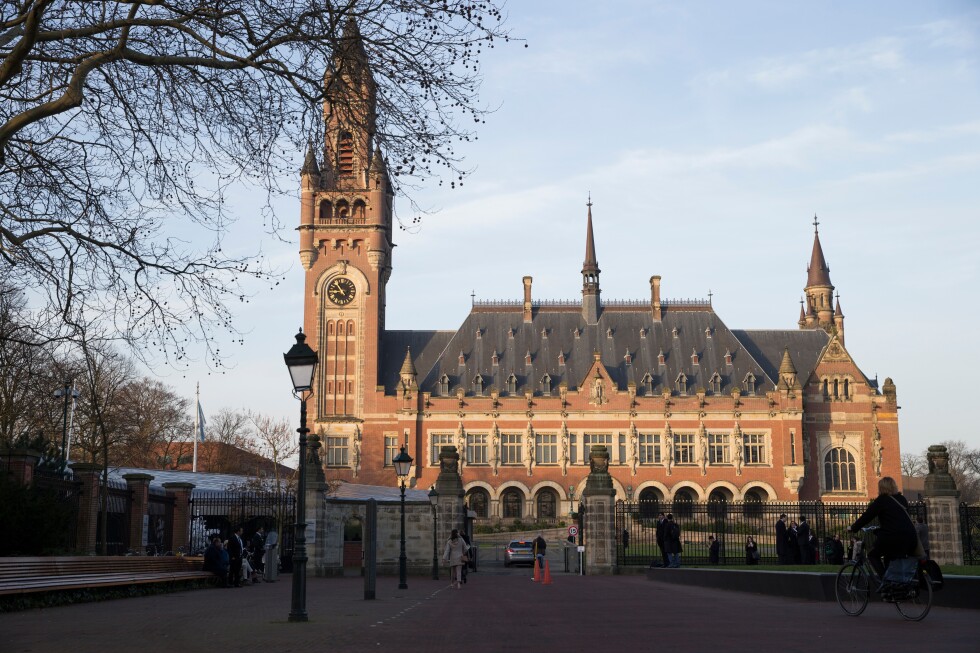
In a pivotal move by the United Nations’ highest judicial authority, the International Court of Justice (ICJ) has delivered a significant advisory opinion affirming workers’ right to strike. This decision, unveiled on Thursday in The Hague, Netherlands, underscores the protection of strike actions under a key labor treaty.
The request for the court’s opinion came from the International Labor Organization (ILO) in 2023, amid an internal debate over whether the right to strike is supported by one of its conventions. While advisory opinions from the ICJ are not enforceable by law, they hold considerable influence and could potentially shape global labor policies by embedding the right to strike within labor standards and international trade agreements.
The ruling was enthusiastically received by labor unions worldwide. “As any trade unionist will tell you, there is no right to organize without the right to strike!” expressed Christy Hoffman, general-secretary of UNI Global Union, acknowledging the triumph of advocates who presented their case before the ICJ.
Although the term “strike” is absent from the 1948 Freedom of Association and Protection of the Right to Organize Convention, the ICJ’s 14 judges concluded that the act of striking is implicitly protected. Court president Yuji Iwasawa articulated this by stating, “The protection of the right to strike is encompassed in the freedom of association,” during the announcement of the ruling.
This convention has been ratified by 158 nations and is reflected in various employment policies, including those from the United Nations and the Organization for Economic Cooperation and Development. However, the United States, despite being an ILO member, has yet to ratify this convention.
Paul van der Heijden, an expert in international labor law, emphasized the significance of the advisory opinion, noting its utility for workers facing legal challenges to their actions. He remarked that the opinion is “important when you go to court” in discussions with The Associated Press.
The judges acknowledged that the right to strike may encounter limitations in certain instances. As clarified by Iwasawa, the opinion “does not entail any determination on the precise content, scope or conditions for the exercise of that right.”
Various U.N. bodies can seek the ICJ’s guidance on legal matters, with the court previously issuing a notable opinion on climate change responsibilities. Last year, the ICJ stated that countries might breach international law if they neglect measures to combat climate change.
The October hearings in The Hague featured testimonies from 18 countries and five international organizations, including the ILO, with additional written submissions from other nations. A majority of these contributors supported the right to strike, a protection already prevalent across many European countries.