The conflict in Sudan, particularly in the Darfur region, has drawn global attention as efforts intensify to address the humanitarian crisis. The United States is reportedly engaged in negotiations to establish a temporary ceasefire, while the International Criminal Court seeks to safeguard evidence of recent violence in the region.
According to a U.S. envoy, discussions are underway with both factions involved in Sudan’s conflict to facilitate a humanitarian ceasefire. Meanwhile, prosecutors from the International Criminal Court are actively working to preserve evidence from an alleged violent outbreak in el-Fasher, a city in Darfur that has been severely affected by famine.
The ICC highlighted that the recent incidents in el-Fasher may be indicative of a broader pattern of violence across Darfur, potentially amounting to war crimes and crimes against humanity. This evidence could play a critical role in future legal proceedings.
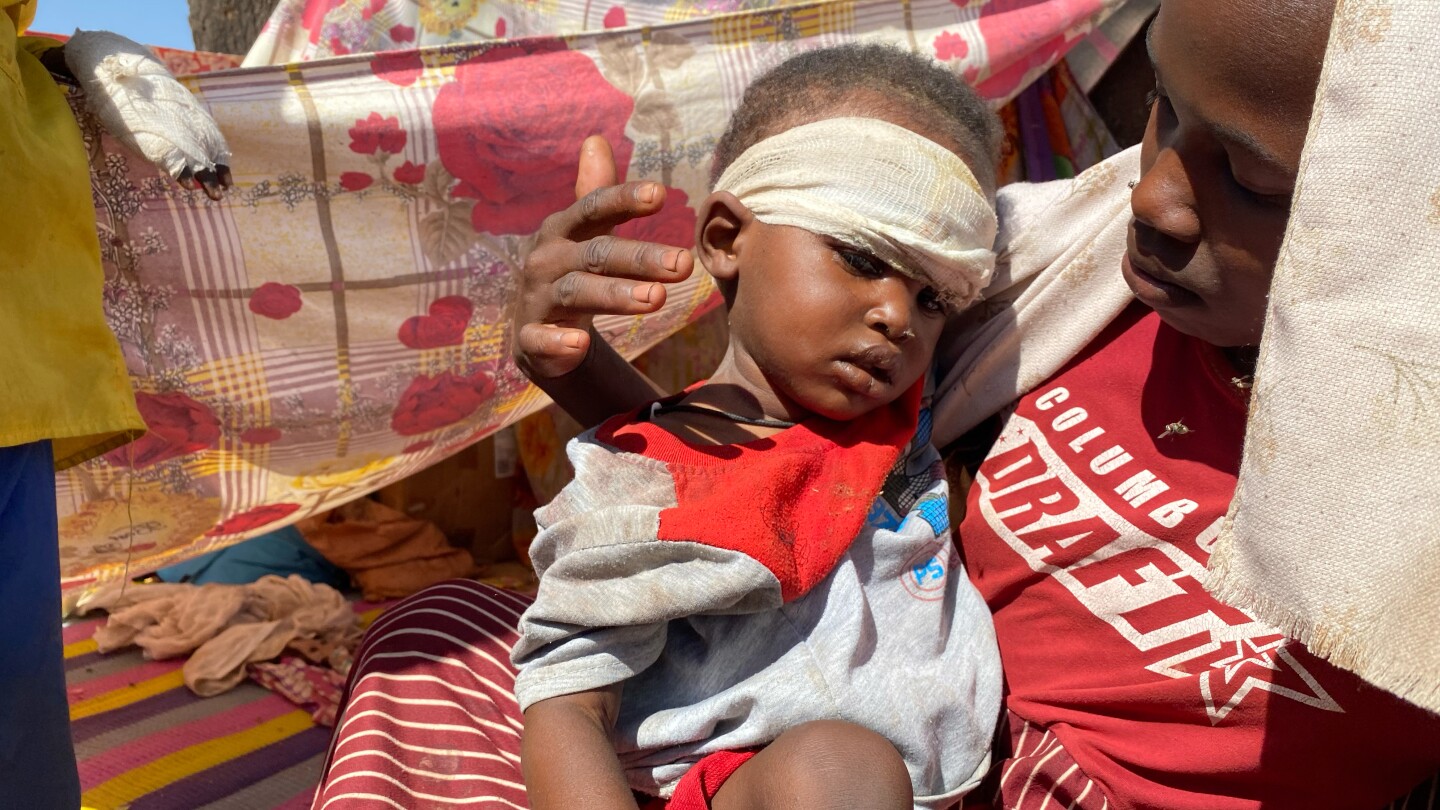
El-Fasher recently fell to the Rapid Support Forces (RSF), a paramilitary faction opposing Sudanese soldiers, after an 18-month siege. Reports from witnesses indicate that RSF members have been involved in house-to-house attacks, resulting in civilian casualties and sexual violence. The World Health Organization has reported at least 460 fatalities at a local hospital, where medical staff were also abducted.
Due to inadequate communication channels, detailed information about the casualties remains limited. The capture of el-Fasher marks a significant shift in the ongoing two-year conflict within the African nation. In a statement to the Security Council earlier this year, the ICC’s chief prosecutor expressed concerns that both sides in the conflict may be guilty of serious offenses, including war crimes and genocide.
Efforts toward a truce
Massad Boulos, an adviser for African affairs from the U.S., informed the AP that the U.S. is coordinating with both the Sudanese army and the RSF to establish a humanitarian truce. An announcement on this initiative may be forthcoming.
Boulos stated, “We were working on this for the last almost 10 days with both sides, hoping to finalize the details.” The proposed U.S.-led strategy involves initiating a three-month humanitarian truce, followed by a nine-month political process.
The U.S., in collaboration with Saudi Arabia, Egypt, and the United Arab Emirates—collectively known as the Quad—has been striving to end the conflict. In September, they advocated for an initial three-month humanitarian truce to facilitate urgent aid deliveries.
Boulos emphasized the gravity of the situation, noting, “The atrocities that we’ve seen, of course, are totally unacceptable,” referring to unverified videos showing RSF and allied groups committing acts of violence against civilians.
Earlier in the month, the ICC achieved a milestone by convicting a suspect for crimes in Darfur, marking a significant development following over two decades of investigation. Ali Muhammad Ali Abd–al-Rahman, known as Ali Kushayb, was found guilty of ordering mass executions and personally executing prisoners.