In an unprecedented move, President Donald Trump is set to attend a Supreme Court hearing on birthright citizenship, marking the first instance of a sitting president being present during oral arguments at the high court. This notable event is part of a broader effort by Trump to address immigration policy in his second term.
The President’s itinerary, distributed by the White House, confirmed his planned visit to the Supreme Court where justices will deliberate on Trump’s challenge to a lower court’s decision. This ruling invalidated his executive order aimed at restricting birthright citizenship, a policy he enacted at the beginning of his second term.
The controversial order seeks to revise the interpretation of the 14th Amendment and federal law, which have historically granted citizenship to all individuals born on U.S. soil, except for narrow exceptions. Trump’s order targets children born to undocumented or temporary residents.
While this is not Trump’s first inclination to attend a Supreme Court hearing, it is the first time he will follow through. Previously, he expressed interest in a case concerning his tariff policies but ultimately decided it would divert attention from the issue at hand.
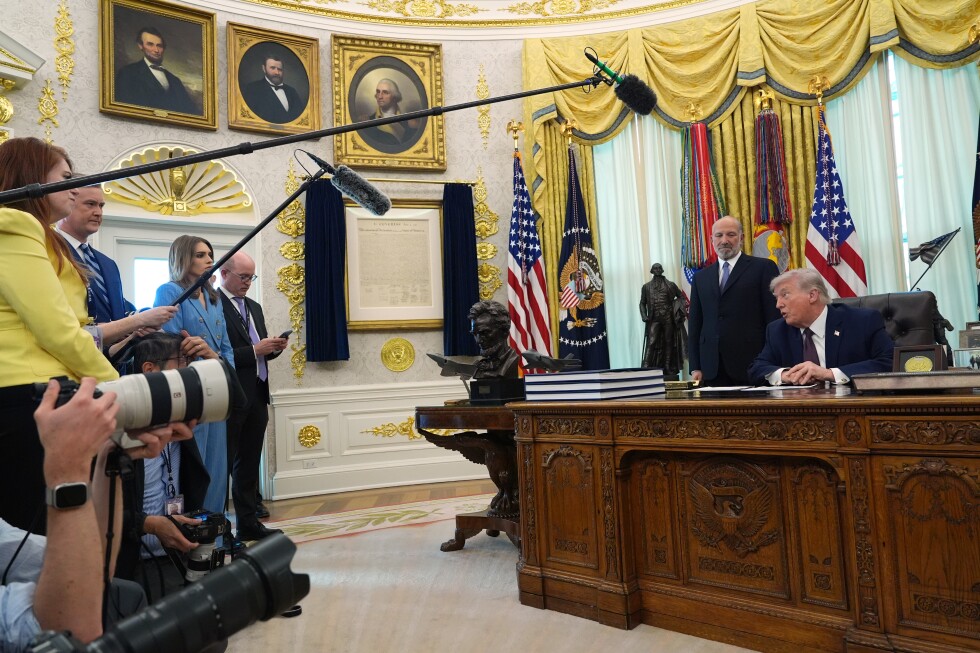
In a recent interaction with reporters in the Oval Office, Trump confirmed his intentions to be present at the upcoming hearing. “I’m going,” he asserted when asked about the birthright citizenship arguments. When further questioned about his physical attendance, Trump responded, “I think so, I do believe.”
Trump’s history with the Supreme Court includes attending the ceremonial swearing-in of Justice Neil Gorsuch, his first appointee. His other appointees, Brett Kavanaugh and Amy Coney Barrett, also currently serve on the bench.
While other U.S. presidents have engaged with the Supreme Court post-presidency, such as Richard Nixon and William Howard Taft, Trump’s attendance while in office is unparalleled. Nixon argued a case after serving as vice president, and Taft later became chief justice.
When asked about his focus during the court session, Trump veered into commentary on what he perceives as the court’s partisan nature, divided by appointees from Republican and Democratic administrations. “I love a few of them,” Trump remarked. “I don’t like some others.”
The birthright citizenship case is part of a broader immigration policy crackdown that has yet to be enacted due to judicial blocks. The Supreme Court is anticipated to issue a decisive ruling by early summer.