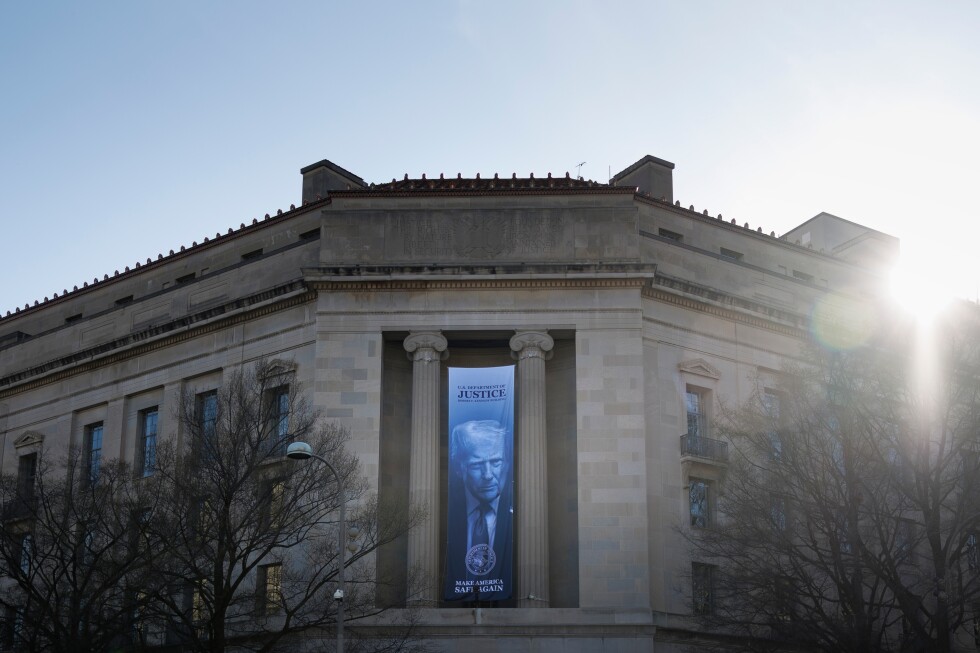
In a significant legal development, a federal judge has dismissed a U.S. Department of Justice lawsuit against Colorado and Denver, marking a pivotal moment in the ongoing debate over immigration enforcement. This lawsuit accused the state and its largest city of enacting “sanctuary laws” that allegedly contravened the U.S. Constitution’s Supremacy Clause.
The legal contention revolved around several state and local laws designed to limit the use of resources for federal immigration enforcement and safeguard immigrant rights and personal information. Specifically, four state laws and two Denver ordinances were under scrutiny.
U.S. District Judge Gordon P. Gallagher referenced a 1997 U.S. Supreme Court ruling, stating that the federal government cannot compel state officials to enforce federal laws. The judge’s decision favored Colorado and Denver, affirming their autonomy in resource allocation by stating, “Colorado and Denver have the right to refuse to expend their resources to implement a federal regulatory program.”
The Department of Justice has not yet responded to requests for comment regarding this judicial outcome.
Denver Mayor Mike Johnston expressed approval of the legal decision, emphasizing, “Today’s ruling makes clear that we cannot be required to use local resources to enforce federal policies.”
Similar legal actions by the Department of Justice have been initiated in other regions, targeting policies perceived as obstructive to immigration enforcement. These include cases involving Los Angeles, New York City, and Minnesota. A comparable lawsuit involving Chicago’s sanctuary laws was dismissed by a federal judge last year.
The term “sanctuary cities” lacks a precise definition but typically refers to jurisdictions that limit cooperation with Immigration and Customs Enforcement (ICE). While ICE enforces immigration laws across the U.S., it often relies on state and local authorities for support, especially in large-scale deportation efforts, and requests that local law enforcement notify them about individuals they seek to deport and hold them until federal agents can take custody.