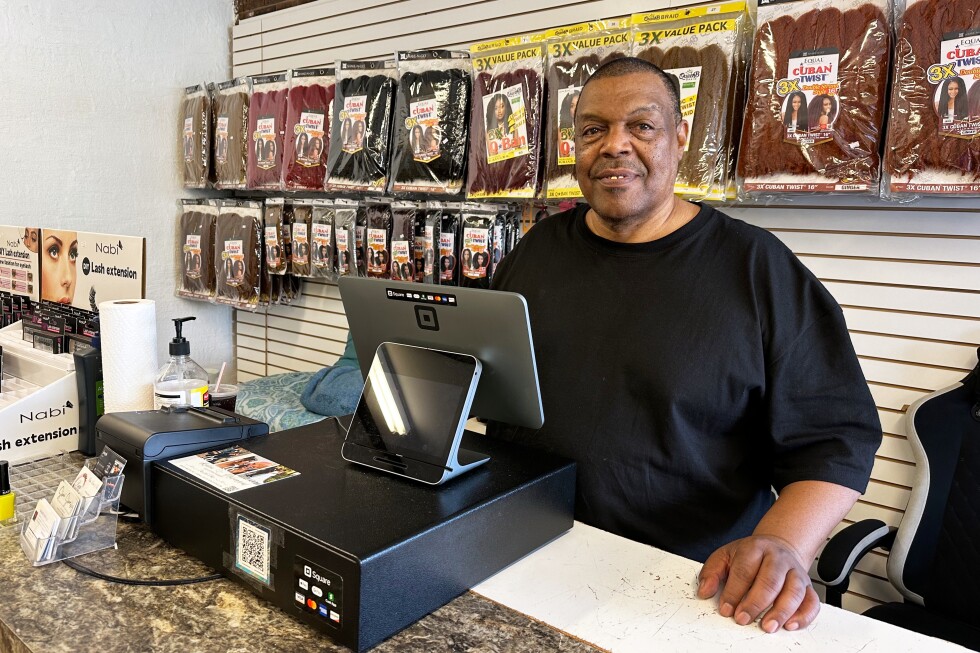
In the tranquility of rural North Carolina, where the pace is slower and the community close-knit, politics can feel like a distant echo. Ricky Brinkley, a resident for nearly his entire 65 years, embodies the sentiment of many in these regions. “You want somebody to vote, but you don’t want to do nothing to get the vote,” he stated from his daughter’s beauty supply store, highlighting the disconnect felt during election times.
For the Democratic Party, this disconnect represents a missed opportunity, especially among rural Black voters. Traditionally a stronghold for Democrats, Black voters in rural areas have not been as actively engaged as their urban counterparts. This demographic, if mobilized, could prove pivotal in changing the political landscape in North Carolina and beyond.
Democratic Strategy in North Carolina
Former Governor Roy Cooper is at the forefront of this challenge, aiming to secure a U.S. Senate seat in a state known for its political battles. Success in this endeavor could shift the balance of power in Washington. Yet, the Democratic Party faces an uphill battle in rural areas dominated by Republican influence.
State party chair Anderson Clayton emphasizes the importance of reaching rural Black voters, stating, “In my vision of a Democratic Party, when you talk about reaching out to rural voters, you are talking about rural Black voters.” The Rev. James Gailliard, a former state lawmaker, concurs, saying, “You don’t win this state in Durham. You win it in the east.”
Engagement Efforts and Challenges
North Carolina’s rural regions, characterized by small towns and expansive farmlands, have seen Democrats lose ground over recent decades. The party’s strength among Black voters has not translated into strong rural support, partly due to lower voter turnout compared to urban areas. Cooper’s campaign has initiated dialogue with Black farmers and business leaders, aiming to build a robust statewide organizing effort.
However, Gailliard believes more needs to be done. He highlights the necessity for grassroots organizing and criticizes the lack of investment from national Democrats, something he found challenging during Kamala Harris’ presidential campaign. “I begged them to bring her to Rocky Mount,” he said. Instead, it was Donald Trump who visited the area.
Local Mobilization and the Path Forward
Clayton has focused on local resources to bolster the state party, tripling the staff compared to previous election cycles. Yet, the challenge remains to engage rural voters beyond the presidential races. Camille Taylor, chairwoman of Bertie County Democrats, notes the difficulty in motivating voters to care about local elections.
Gailliard has identified various local organizations to engage with specific precincts, stressing the importance of local volunteers over outsiders. “We can’t have 21-year-old recent college graduates from Utah knocking doors at $22 an hour in the hood,” he argued, emphasizing the need for trusted local messengers.
The Importance of Relational Politics
In past elections, small shifts in voter turnout have made significant impacts. Barack Obama’s narrow 2008 victory in North Carolina is a testament to this. As voter turnout declined more in counties with larger Black populations in recent elections, the significance of relational politics becomes clearer.
For Brinkley and others like him, the decision to vote hinges on feeling valued and heard. “You get to be a big wheel, and you can forget where you came from,” Brinkley remarked. While he leans toward voting for Cooper, his participation is not guaranteed. “I could. I could. I may vote,” he mused, reflecting the complex dynamics at play in rural North Carolina.