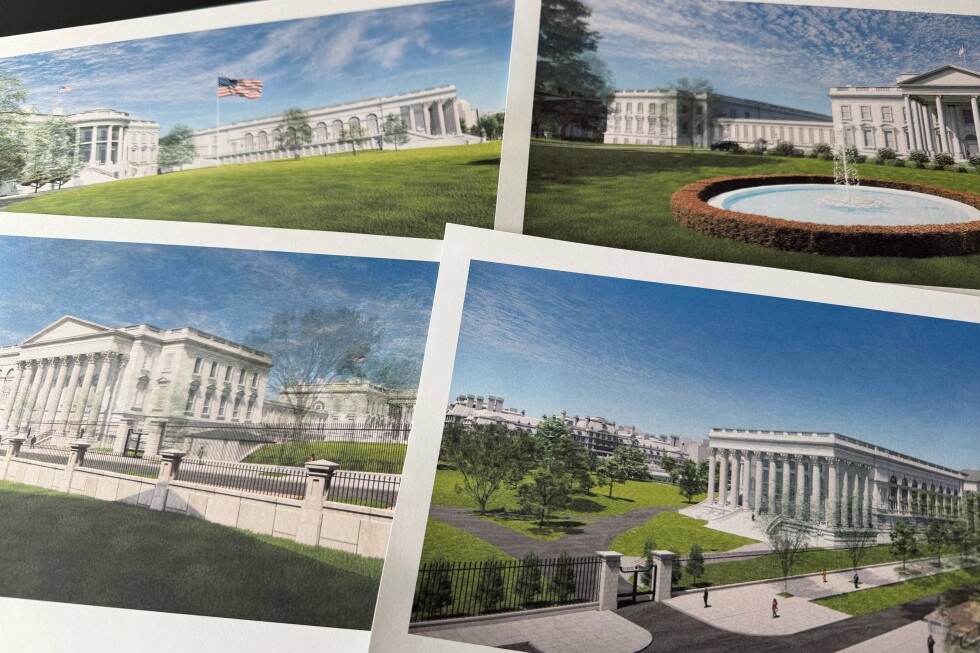
The debate over a new $400 million ballroom at the White House has taken a legal turn, with the Trump administration warning of security risks following a judge’s order to halt construction. This development has prompted an urgent appeal to a federal court.
The National Park Service lawyers filed a motion on Friday, urging the court to suspend the ruling, which they argue poses “grave national-security harms to the White House, the President and his family, and the President’s staff.” The planned facility is designed to be heavily fortified, featuring bomb shelters and military installations.
U.S. District Judge Richard Leon ordered the temporary halt, pointing out that the project, which involved demolishing the East Wing, lacked Congressional approval. He stated that “no statute comes close to giving the President the authority he claims to have.” However, Leon allowed a 14-day suspension of his order to enable the administration to appeal.
Interestingly, the same week saw a key federal agency approve the ballroom’s construction, adding another layer of complexity to the situation. Judge Leon, appointed by President George W. Bush, acknowledged potential logistical challenges from halting the project but maintained that national security would not be compromised, after examining confidential information from the government.
Despite the ruling, President Trump plans to continue with security work, including underground bunkers, funded by taxpayers. He has promised that the ballroom’s cost will be covered by himself and private donors. The National Park Service insists that the President has “complete authority to renovate the White House,” and argues that the current construction site is more vulnerable to threats without the ballroom.
The administration is pressing the appeals court for a swift decision by Friday and seeks an extension of the 14-day suspension to allow time for a potential Supreme Court appeal. The ongoing legal battle underscores the complex intersection of security concerns, statutory authority, and federal oversight in this high-profile construction project.