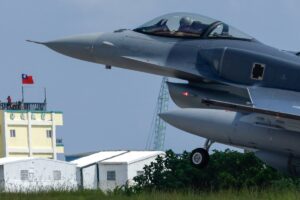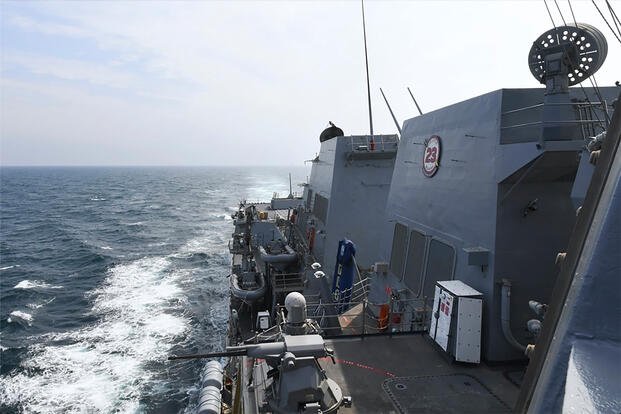
As the U.S. navigates the complexities of international relations, a longstanding goal to prioritize Asia over the Middle East faces renewed challenges. This strategic pivot, first introduced by President Barack Obama in 2011, aimed to counter China’s growing influence, but ongoing conflicts in the Middle East continue to divert attention.
Despite former President Obama’s intention to shift focus to Asia, the U.S. remains engaged in Middle Eastern conflicts, including efforts to mitigate threats from Iran’s nuclear ambitions. This redirection of military resources has stirred concerns about the U.S.’s capacity to maintain its strategic interests in Asia, where China’s influence is prominent. Former President Donald Trump’s postponed visit to China due to Middle East tensions highlighted these ongoing distractions (source).
Critics argue that the U.S. needs to refocus on Asia to prevent destabilization, especially with China’s potential interest in Taiwan. Danny Russel from the Asia Society Policy Institute expressed, “This is precisely the wrong time for the United States to turn away and be sucked into another intractable Middle East conflict.”
Supporters of the current strategy believe that addressing challenges in the Middle East and places like Venezuela helps counterbalance China’s global influence. Matt Pottinger, a former deputy national security adviser, emphasized the importance of addressing threats sequentially, given China’s role in supporting adversaries.
NATO Secretary General Mark Rutte noted that conflicts might not be limited to one region, suggesting that China could leverage its alliances globally if tensions with Taiwan escalate.
Impact on Asia Amid Middle Eastern Engagement
Recent diplomatic visits to Asia by U.S. lawmakers, including Senator Jeanne Shaheen, have underscored regional concerns over U.S. military reallocations. Visits to Taiwan, Japan, and South Korea revealed anxiety about energy costs and the departure of U.S. defense systems (source).
Sen. Shaheen assured Asian allies of America’s commitment to regional stability, declaring, “Failure is not an option.” Meanwhile, Kurt Campbell, a former deputy secretary of state, expressed concerns about diminishing U.S. military capabilities in Asia due to prolonged Middle Eastern conflicts.
Zack Cooper from the American Enterprise Institute noted that the extended conflict could impact future arms sales and resource allocation. As China fortifies its economy and energy resources, the U.S. faces challenges in replenishing its defense stockpile.
Efforts to bolster defense capabilities in Taiwan, Japan, and South Korea provide some reassurance, but delays in weapons delivery persist, according to Sen. Shaheen.
The Elusive Pivot to Asia
Obama’s original pivot strategy emphasized the importance of engaging with the Pacific region to harness growth opportunities and counterbalance China’s rise. However, setbacks, including the failed Trans-Pacific Partnership and subsequent policy shifts under Trump, have hindered progress.
Current strategies under President Biden involve maintaining tariffs and export controls on China, while strengthening regional alliances to counterbalance Chinese influence.
Middle East Demands Renewed Focus
With Trump’s national security strategy in 2025, the U.S.’s focus in Asia narrowed to military deterrence in strategic locations such as the Taiwan Strait. The strategy underscores the economic need to secure Taiwan’s advanced chip production and protect vital shipping lanes.
However, the ongoing conflict with Iran has once again pulled U.S. attention back to the Middle East, challenging the strategic shift towards Asia. The administration’s stance is that as energy policies evolve, historical reasons for Middle Eastern focus will diminish, yet current realities suggest otherwise.