The Legacy and Future of the U.S. Air Force’s “Sandy” Callsign in CSAR Missions
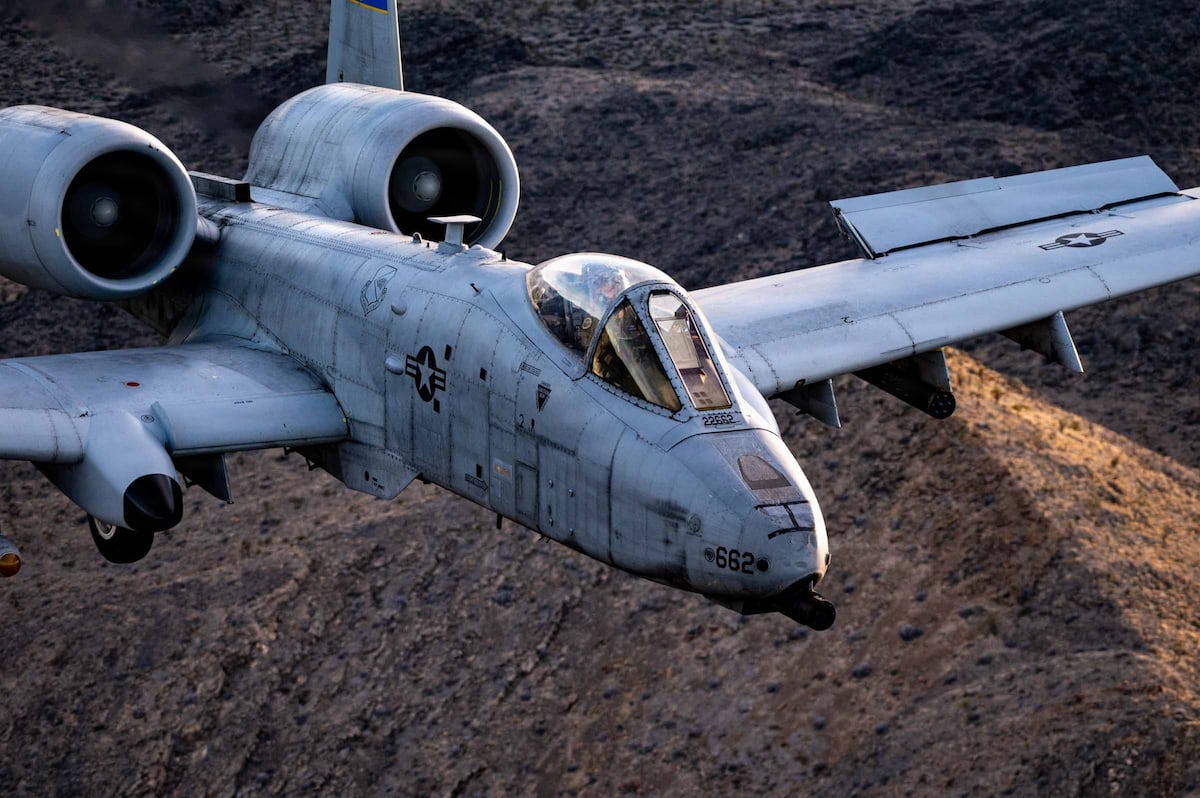
The U.S. Air Force’s iconic callsign “Sandy” has been synonymous with combat search-and-rescue (CSAR) missions for decades. This storied tradition, however, faces uncertainty as the Air Force plans to retire the A-10 Thunderbolt II, the aircraft currently bearing the Sandy mantle, by 2029. The question of what comes next for the Sandy role and CSAR operations remains a topic of intense discussion and concern.
Originating in late 1965, the callsign “Sandy” was first used by Capt. J.W. “Doc” George, an A-1 Skyraider pilot, at Udorn Royal Thai Air Force Base, Thailand. It quickly became the standard for A-1 Skyraiders on CSAR missions, a tradition later carried by the A-10 Thunderbolt II. As the Air Force looks to retire the A-10, the service is grappling with the challenge of finding a suitable successor for this critical mission.
Challenges in Transitioning from the A-10
The A-10 Thunderbolt II, known for its exceptional loiter time, survivability, and firepower, has been the backbone of the Sandy role in CSAR operations. The Air Force’s plan to retire the A-10 by 2029 has raised concerns about the future of CSAR missions, particularly given the specialized training and trust built within the Sandy community over decades.
The transition to a new aircraft is not just about technology; it’s about the pilots themselves. Lt. Col. Joel Bier, a retired U.S. Air Force Weapons School instructor pilot, highlighted the complexity of the Sandy mission, stating, “No other pilots train to Close Air Support, Forward Air Control (Airborne), and Combat Search and Rescue with the ferocity of the A-10 community.”
While the Air Force suggests leveraging the expertise of A-10 pilots to transition to platforms like the F-35A, the absence of a dedicated Sandy qualification program for successor platforms remains a concern. The Pentagon is reexamining future Close Air Support and CSAR requirements, but no formal transition plan for the Sandy role has been confirmed.
The Role of Congressional Oversight
Congress has shown its concern regarding the A-10’s retirement through measures like the fiscal 2026 National Defense Authorization Act, which required the Air Force to brief the House and Senate Armed Services Committees on their transitional plans. Rep. Austin Scott has been vocal about the need to ensure that the military remains equipped with the best systems available, emphasizing the A-10’s recent performance in Iran.
Despite these efforts, the pathway forward remains unclear. The Air Force has acknowledged that there is no current transition for the Sandy 1 rescue mission commander role to a specific airframe, and discussions are ongoing about using multi-role platforms to fill this gap.
The Future of CSAR Operations
As the Air Force considers its options, the importance of the Sandy role in CSAR operations cannot be overstated. The relationship between the A-10 and rescue crews, as noted by Lt. Col. Ryan Rutter, is built on absolute trust: “They know we will do whatever it takes to protect them while they work to bring our teammates home.”
The decision to retire the A-10 comes with significant challenges, and the Air Force must navigate these carefully to preserve the effectiveness of CSAR missions. Lt. Col. Bier suggests that extending the remaining A-10 squadrons could serve as a logical bridge until a viable replacement is found, emphasizing the importance of dedicated squadrons and training mandates to protect the Sandy community’s mission-centric approach.
In the words of Bier, “Sacrificing over 50 years of hard-won institutional knowledge dooms our future warriors to relearn them the hard way.” As the Air Force moves forward, finding the balance between innovation and tradition will be crucial for the future of CSAR operations.