Concerns Rise Over Colorado River Management and Threats to Native Fish
Recent modifications in the management of the Colorado River are sparking concerns among environmentalists, who warn that these changes could jeopardize the survival of certain fish species in the Grand Canyon. The adjustments, aimed at maintaining the regular flow of water through hydroelectric turbines at Lake Powell, might inadvertently facilitate the spread of invasive species, potentially harming indigenous fish that inhabit these waters.
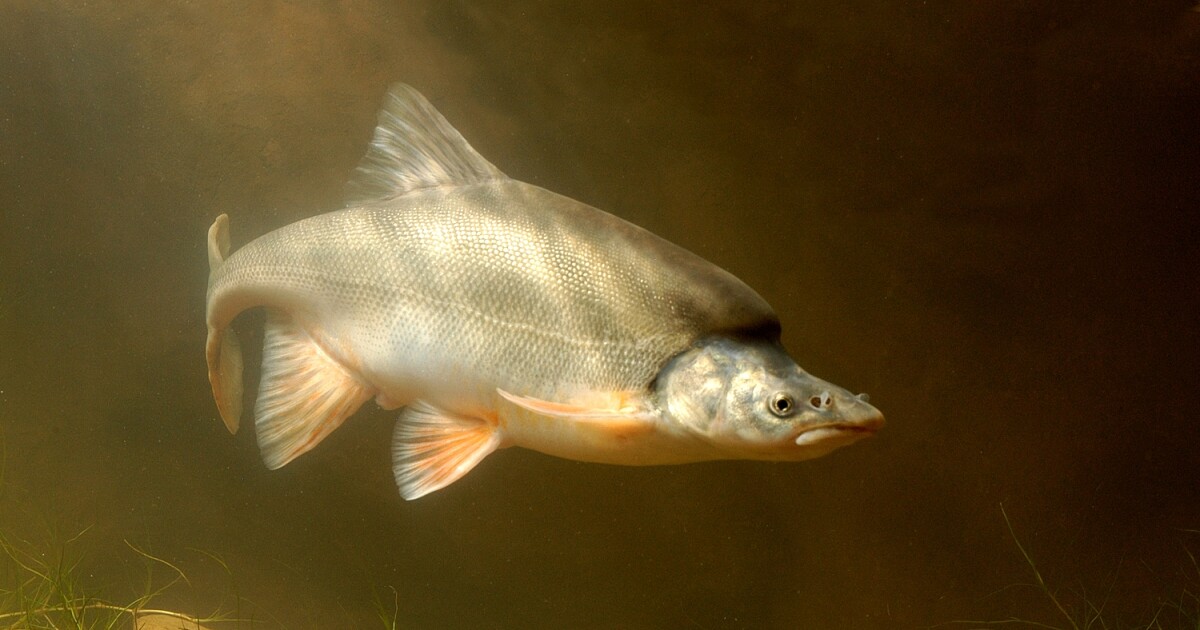
The focus of this concern is the humpback chub, an exclusive resident of the Colorado River ecosystem. Recognizable by the distinctive hump on its back, this fish has become emblematic of the Colorado River, even inspiring efforts to rename a local baseball team in its honor.
In 2021, the humpback chub’s conservation status was downgraded from “endangered” to “threatened.” However, environmental groups stress that further protective measures are necessary. The fish’s primary habitat now faces significant risks.
“There’s a significant risk that we’re going to lose decades of recovery progress for humpback chub in the Grand Canyon and for the species writ large as a result of decisions that are made this year,” said Taylor McKinnon, Southwest director at the Center for Biological Diversity.
The root of the threat lies in invasive species such as the smallmouth bass, which were introduced to Lake Powell in 1982. These fish prefer the warm waters near the reservoir’s surface. Historically, these warm waters were separated from the channels allowing water flow through Glen Canyon Dam into the Colorado River.
Currently, water levels in Lake Powell are decreasing.
Lake Powell, the country’s second-largest reservoir, finds itself amid an ongoing crisis. Climate change has induced a prolonged 26-year drought, reducing water input into the Colorado River. Despite the pressing need for water conservation across cities and farms in the Southwest, state leaders remain at a stalemate over allocation negotiations.
With Lake Powell’s levels having plunged to unprecedented lows and destined to drop further without intervention, federal plans have been set to stabilize the situation. These plans pose a risk of allowing warm water—and invasive species—into the Grand Canyon.
Once invasive fish enter the Grand Canyon, McKinnon warns they could decimate the humpback chub population. He argues that recent and ongoing management strategies for the Colorado River fail to adequately prioritize ecological concerns.
“As the states have fought and failed to come up with an agreement about how much water each state gets, the Colorado River’s ecosystems and endangered species have really fallen by the wayside.”
Interestingly, while the plans threaten fish in the Grand Canyon, they offer benefits to native species elsewhere in the Colorado River basin. Part of the strategy involves supplementing Lake Powell’s water with upstream releases. These releases from Flaming Gorge Reservoir, on the Utah-Wyoming border, could mimic beneficial springtime flows. Similar actions in 2022 significantly aided the razorback sucker, an endangered species, as noted by Western Resource Advocates.