Arizona’s SNAP Funding at Risk Due to New Federal Requirements
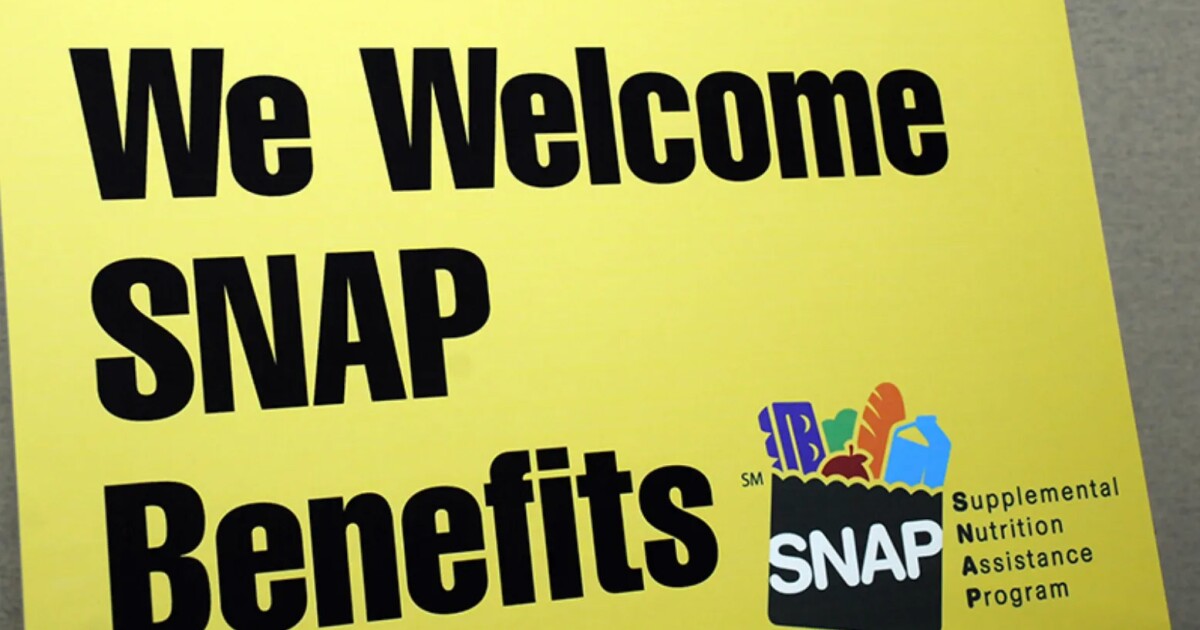
In a move to protect Arizona’s food assistance funding, Democratic Congresswoman Adelita Grijalva is championing legislative changes. This comes in response to recent federal mandates that threaten to cut significant funds if states, including Arizona, do not meet specific error rate criteria in the Supplemental Nutrition Assistance Program (SNAP).
Republicans in Congress have introduced stricter regulations requiring states to minimize overpayments and underpayments in SNAP. Failure to comply with these new standards means Arizona risks losing hundreds of millions of dollars in federal support. Currently, the state’s error rate stands at 8.8%, but it needs to be reduced to 6% or lower to maintain its funding.
Grijalva’s legislative proposal, presented as amendments to an agriculture appropriations bill, seeks to enhance transparency in how the U.S. Department of Agriculture (USDA) calculates these error rates. Moreover, it aims to exclude certain administrative errors from these calculations, ensuring that beneficiaries are not unfairly penalized.
Former SNAP beneficiaries cut from the program say the state is making it impossible to prove they’re still eligible.
Grijalva emphasized, “Those kind of deficiencies, missing applications, overdue recertification – we are going to take those away from the payment error rate because that’s not fraud, and people shouldn’t lose food assistance because of administrative errors.” She believes her proposed changes will benefit individuals across all states, not just Arizona.
Grijalva expressed concern over Arizona’s aggressive measures to reduce the error rate, which she claims have resulted in nearly 50% of previous beneficiaries losing access to SNAP. This approach, she argues, is not about fraud prevention but a misguided attempt to preserve federal funding.
In a pointed critique of the current situation, Grijalva accused Republicans of prioritizing tax cuts for the wealthy and military expenses over domestic welfare. She stated, “This provision was never about preventing fraud. It’s a backdoor attempt to slash food assistance by passing crazy astronomical costs onto states which is exactly what’s happening.”