Michigan Democratic U.S. Senate Primary Too Close to Call
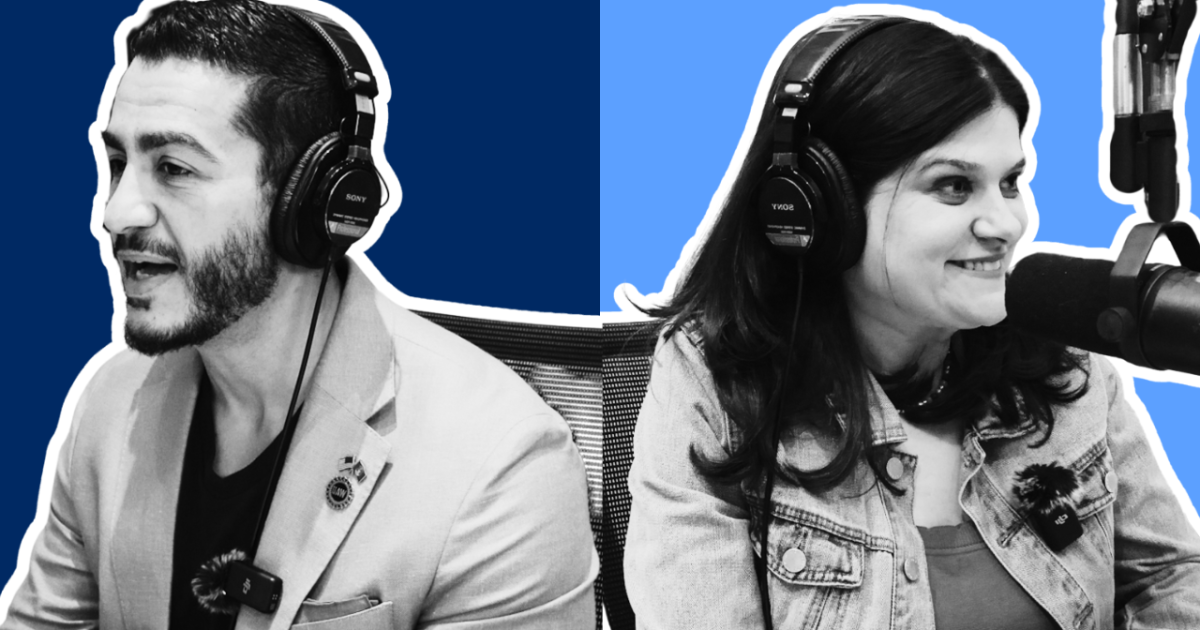
Congresswoman Haley Stevens (D, MI-11) emerged from the primary night in a tight race for Michigan’s Democratic U.S. Senate nomination against former Wayne County Health Director Abdul El-Sayed. The results were too close to call as votes were still being counted in Detroit, Flint, and Muskegon, cities with significant Black populations core to Stevens’ support base.
Stevens, addressing her supporters, urged them to concentrate on defeating Republican Senate nominee Mike Rogers in the upcoming general election. She emphasized the potential challenges from Republicans, stating, “Republicans are going to do everything they can to throw all the dirt, all the mud, the kitchen sink at us because they want to keep the U.S. Senate red.”
The race was viewed as a test of whether Stevens’ moderate approach could compete with El-Sayed’s progressive message amid a rise in populism. Supporters at Stevens’ election night party portrayed her as a practical candidate best suited for the general election, highlighting the significance of holding Michigan for the Democratic Party’s journey to a U.S. Senate majority.
Support and Endorsements
Throughout her campaign, Stevens garnered endorsements from several prominent Democrats, including Governor Gretchen Whitmer, retiring U.S. Senator Gary Peters, and former U.S. Senator Debbie Stabenow. On the other hand, El-Sayed received support from figures like Vermont Sen. Bernie Sanders, New York Congresswoman Alessandria Ocassio-Cortez, and Rep. Rashida Tlaib (D, MI-12).
Former community organizer Carl Ramsey voiced his support for Stevens, citing her past election victories and experience as crucial factors. Ramsey emphasized the importance of unity among Democrats once the final results are announced.
Outside Spending and Advertising
External spending played a significant role in the Michigan Senate primary, with research firm AdImpact ranking it as one of the most expensive races in the country in terms of advertising. Stevens benefited from substantial outside funding, including support from groups like the American Israel Public Affairs Committee (AIPAC), which invested approximately $60 million in ads on her behalf. In contrast, El-Sayed had around $7 million from external groups supporting his campaign.
As the vote counting continues and the race remains undecided, the focus shifts to the impending general election battle between the Democratic nominee and Republican candidate Mike Rogers.