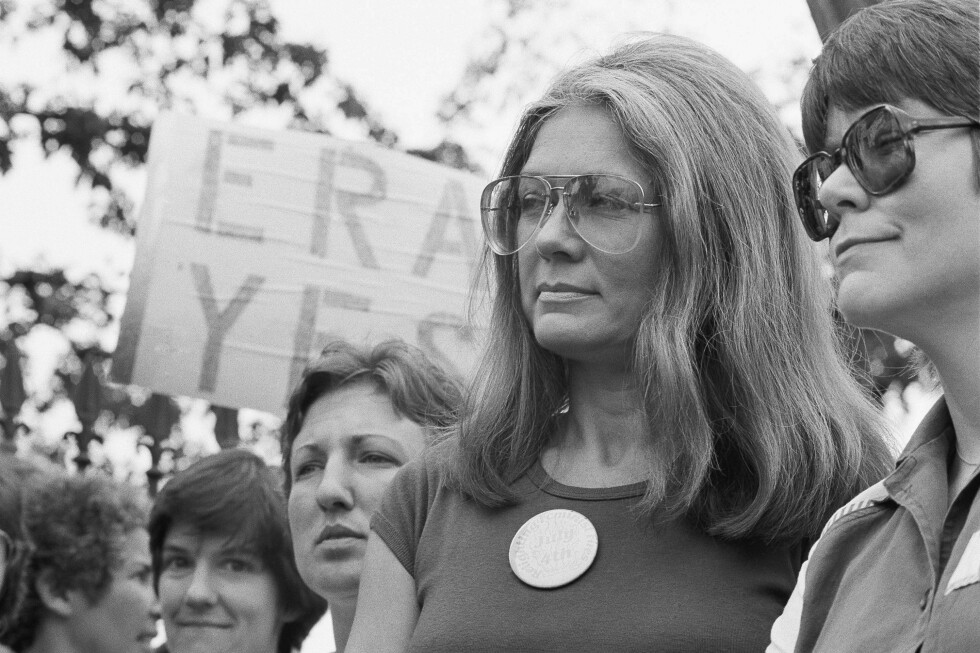
The fight for women’s rights has been a pivotal issue in shaping modern society, with key figures like Gloria Steinem at the forefront. Her advocacy for abortion rights not only defined her career but also marked a significant shift in the feminist movement of the late 1960s. Steinem’s legacy, which endured up to her passing at age 92, continues to influence the cultural landscape today.
The feminist movement, which Steinem embodied, brought about transformative changes, including a significant increase in the number of women in the workforce. Despite these advancements, challenges such as the gender wage gap, sexual harassment, and lack of representation in leadership roles persist, highlighting ongoing struggles for equality.
However, the rise of opposing views has sparked cultural debates, with reproductive rights and traditional gender roles becoming focal points once again. The 2022 Supreme Court decision to overturn Roe v. Wade has been seen by many, including Steinem, as a setback for democracy. Meanwhile, Christian conservative activists view this as a triumph, advocating for traditional family structures and often attributing societal issues like declining birthrates and increasing divorce rates to feminism.
Shifting Cultural Norms
The former Trump administration, along with conservative groups, has promoted policies that prioritize family life over career ambitions. Vice President JD Vance and others have encouraged young women to marry and start families early. Delano Squires, a co-author of the Heritage Foundation’s report “Saving America by Saving the Family,” criticized feminism for diminishing the value of marriage and family.
The report even suggests legislative measures, such as providing financial incentives for young marriages, an idea supported by Emma Waters, a proponent of traditional values who has criticized career-focused ideologies.
Despite these criticisms, Steinem remained an advocate for reproductive choice, highlighting her own experiences and the importance of this right in empowering women. She began her activism after attending a 1969 meeting where she found the courage to discuss her personal experience with abortion at a time when it was largely illegal in the U.S.
Progress and Resistance
At the time of Steinem’s early activism, fewer than half of women participated in the labor force, and many faced discrimination in employment and financial matters. Today, approximately 58% of women over 20 are part of the workforce, a testament to the progress made since then.
While many of the rights fought for remain intact, debates continue over women’s roles in society. Figures like Defense Secretary Pete Hegseth have been criticized for endorsing views that challenge women’s participation in public life.
The Ongoing Struggle
Women’s advocacy groups emphasize that challenges to reproductive rights and portrayals of feminism as anti-family are efforts to limit women’s autonomy. Fatima Goss Graves of the National Women’s Law Center argues for policies that support families without sacrificing women’s careers.
Despite setbacks, the feminist movement’s influence remains strong, with many believing its integration into modern life is irreversible. Stanford University’s Estelle Freedman notes the movement’s resilience through periods of backlash and progress, with Steinem providing enduring inspiration.
Steinem’s contributions have left a lasting impact, ensuring the continued fight for gender equality. Her legacy serves as a reminder that the struggle, though ongoing, is one of persistence and strength.
For more details, explore the Associated Press standards and funding sources at AP.org.