EPA Calls for Public Input on Revised Clean Water Rule
The Environmental Protection Agency (EPA) is inviting public feedback as it seeks to redefine the scope of the U.S. Clean Water Act, aiming to significantly restrict the wetlands under its protection. This request, made public on Friday, highlights the intricate nature of this longstanding and often contentious regulation. The EPA’s call for comments comes nearly a year after it proposed a new rule to redefine “waters of the United States,” a move prompted by a 2023 Supreme Court decision that curtailed federal oversight over many wetlands.
The EPA’s new “supplemental” rule, announced in partnership with the U.S. Army Corps of Engineers, is intended to provide a broader array of options as the agencies work towards a final rule aligned with the Supreme Court’s decision in the Sackett v. EPA case. This ruling effectively limited federal authority over water pollution in certain wetlands, prioritizing property rights over environmental concerns.
The proposed rule aims to streamline processes to protect water quality while recognizing state and tribal authority over local water resources, according to the EPA. It is designed to provide predictability for various stakeholders, including landowners, farmers, and developers. The rule will mainly focus on permanent or continuously flowing water bodies like streams, rivers, and lakes, along with wetlands directly connected to these water sources.
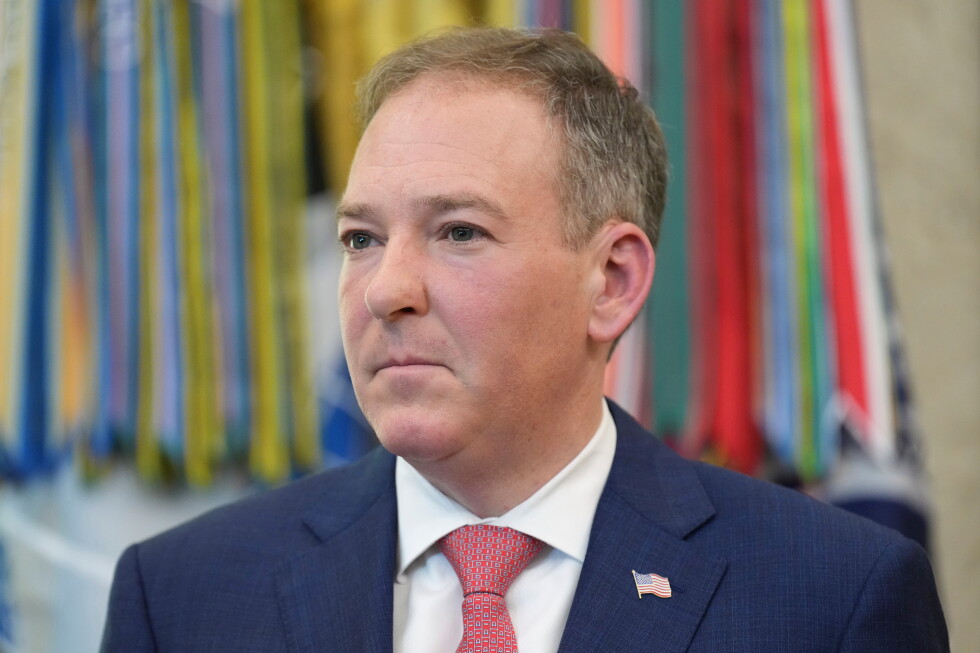
EPA Administrator Lee Zeldin stated, “The EPA’s goal is a durable WOTUS definition that follows the law and ends burdensome regulatory uncertainty.” He emphasized the agency’s commitment to transparency and public involvement, noting that feedback on the supplemental notice will enhance the expertise behind the final rule.
The November proposal to rewrite the water rule is part of a broader effort by the Trump administration to roll back environmental regulations. Critics argue that the proposed changes favor industrial interests at the expense of environmental protection. J.W. Glass, a policy specialist at the Center for Biological Diversity, warned that the changes could destroy critical waterways, while Jon Devine of the Natural Resources Defense Council claimed the proposal would remove vital protections for freshwater wetlands.
Zeldin countered these criticisms, arguing that the proposal appropriately balances federal and state responsibilities, and that states and tribes will continue to regulate lands no longer under federal jurisdiction. The EPA and Army Corps will accept public comments for 30 days following the publication of the supplemental plan in the Federal Register. The proposal has so far attracted over 220,000 comments from diverse stakeholders.