Michigan Senate Race Heats Up With Focus on Reading Achievement and Voter Appeals
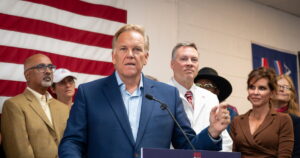
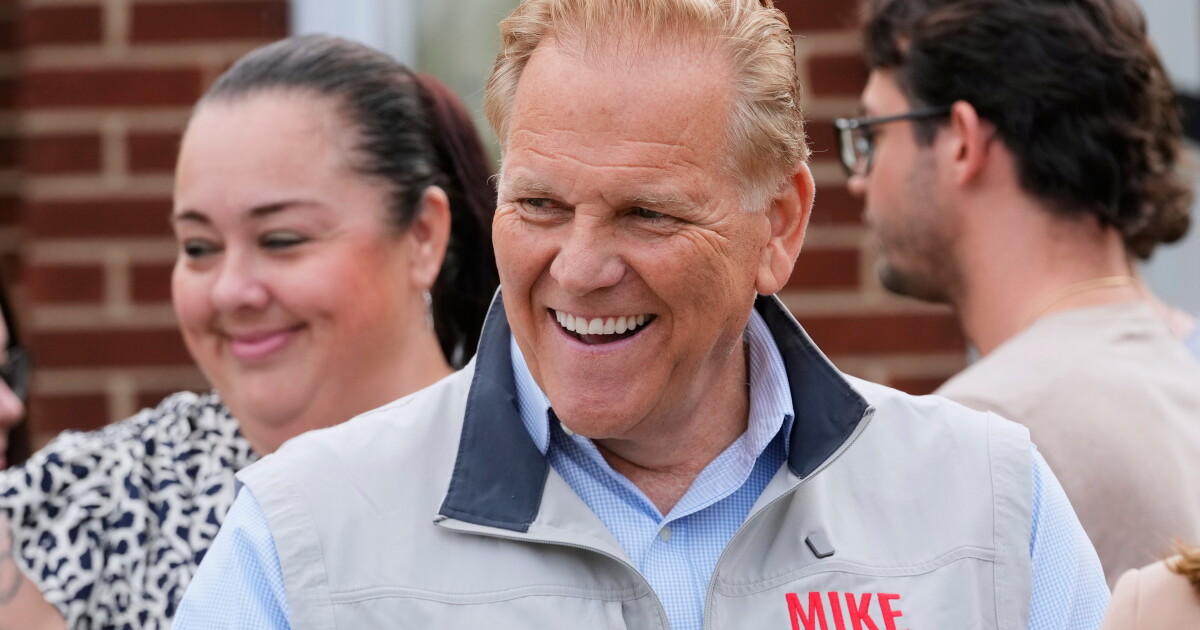
As the Michigan Senate race gains momentum, Republican nominee Mike Rogers is making literacy a central issue, emphasizing the state’s decline in reading achievement. Standing outside Cody High School in Detroit, Rogers highlighted the importance of addressing this issue, calling it “the civil rights issue of our lifetime.” This move showcases his strategy to appeal to various segments of Michigan’s electorate, including Democrats, in his bid for the Senate seat in the upcoming election.
Rogers’ Strategy and Appeal
In his second Senate campaign, Rogers is aiming to win over Democrats and independents, especially Black and Jewish voters, who may be swayed by his opponent Abdul El-Sayed’s positions, particularly on U.S.-Israel relations. By focusing on boosting literacy and promoting home construction plans in Detroit, Rogers is making significant efforts to connect with the diverse population of Wayne County, where Detroit is located.
His campaign acknowledges the importance of gaining traction in Wayne County, where El-Sayed’s defeat by U.S. Rep. Haley Stevens in the Democratic primary signals a potential shift in support. Rogers is also leveraging the resistance El-Sayed faces from older Black Democrats in Detroit, who value Stevens’ longstanding ties to the community and her work during the Obama administration.
Appealing to Jewish Voters
Rogers has capitalized on the division among Democratic Jewish voters, particularly in Oakland County, by aligning with those who are concerned about El-Sayed’s stance on U.S. military aid to Israel. El-Sayed’s views on Israel and his response to the Temple Israel attack have caused some influential Jewish Democrats to support Rogers, highlighting the significance of this voter bloc in the election.
Implications for Senate Control
If Rogers emerges victorious in the Senate race, Republicans would maintain their majority, even if Democrats secure other GOP-held seats. The high stakes of this election are evident in the substantial ad spending in Michigan, totaling nearly $125 million since the primary, making it a focal point for both candidates and affiliated groups.
With the race gaining attention from top political figures, including Vice President Kamala Harris, who plans to campaign with El-Sayed, and the endorsement of the Congressional Black Caucus, the Michigan Senate contest remains a crucial battleground in the upcoming midterm elections.
In a significant move early this month, a super PAC spent a substantial $18.5 million on ads and reserved advertising time in Michigan for the 2026 Senate race. This amount marks the highest commitment the group has made towards any Senate race this year, according to AdImpact. The ads being aired portray the dual approach taken by candidate Rogers and his supporters in appealing to both traditional Republican voters and the Trump base.
Rogers’ campaign focuses on showcasing him as the son of a middle-class family, a collaborator during his congressional tenure, and committed to reducing costs, particularly in healthcare. On the other hand, the super PACs supporting his candidacy are taking a more aggressive stance. For instance, a super PAC linked to GOP Senate leadership is running ads highlighting El-Sayed’s past association with Hasan Piker, known for controversial statements, and the candidate’s stance on abolishing U.S. Immigration and Customs Enforcement.
One key aspect of Rogers’ campaign strategy is his delicate balancing act concerning former President Trump. While his team is cautious of Trump’s waning approval ratings, especially on economic matters, they aim to position Rogers as independent from the former president to appeal to a broader spectrum of Michigan voters. Despite this, Rogers has gradually aligned himself more closely with Trump, especially following the 2020 election.
Rogers initially acknowledged Biden’s victory and criticized Trump’s claims of election fraud. However, he later commended Trump’s commitment to transparency, indicating a shift towards Trump’s rhetoric while maintaining a less confrontational tone. During a recent speech at the Republican midterm convention, Rogers refrained from mentioning Trump, focusing instead on patriotic sentiments reminiscent of the 9/11 attacks.
In a symbolic gesture, Rogers closed his speech by evoking the famous quote attributed to Todd Beamer, a passenger on United Flight 93 during the 9/11 attacks, saying, “America, let’s roll.” This nuanced approach by Rogers reflects a strategic attempt to navigate the complex political landscape in Michigan, appealing to diverse voter sentiments while carefully managing his relationship with Trump.