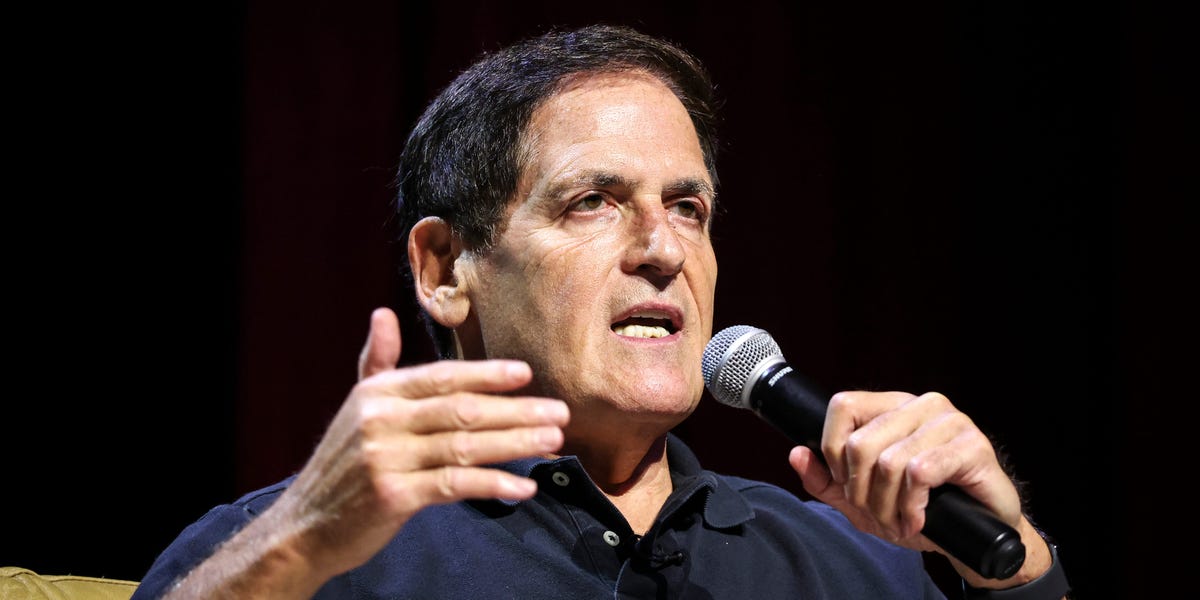
Mark Cuban Warns Against ‘Contractual Terrorism’ in Data Center Deals
In the world of healthcare, the intricate contracts often obscure financial responsibilities, a tactic now being mirrored by data center developers, according to Mark Cuban. In a recent episode of “The A16z Show,” Cuban, a co-founder of Cost Plus Drugs, criticized how communities are negotiating deals with data centers, likening it to “contractual terrorism.”
“A lot of communities have been really dumb with the deals they’ve negotiated for data centers,” Cuban said, referring to the complex and often opaque agreements. “They’ve fallen for the contractual terrorism in a lot of cases.”
Cuban’s term “contractual terrorism” was originally coined to describe how healthcare insurers and their subsidiaries use extensive contracts to obscure costs, making it challenging for employers to track their expenditures. He now applies this concept to the agreements communities enter into with data center developers.
As data center developments surge across the United States, they have sparked significant community opposition. Residents living near these facilities have voiced concerns over noise, diesel exhaust, disruptive construction, and environmental impacts such as deforestation and increased pressure on local resources.
In Northern Virginia, known as the country’s data center hub, public dissent has influenced local elections, led to lawsuits, and spurred demands for stricter regulations on noise and zoning. An example of the public sentiment is reflected in a University of Massachusetts Amherst poll from September, which revealed that 65% of respondents opposed building an AI data center in their community, with nearly half of them expressing strong opposition.
The Ghost Data Center Backlash
The rush to establish AI infrastructure has resulted in numerous announcements of new facilities, far outpacing the number of operational ones. Aterio, a project tracking service, reported 8,268 announced data centers in the U.S. as of October 20, yet only 2,126 are currently active, with 861 under construction. Many other projects remain as mere announcements, leaving local governments to craft long-term agreements for projects that may never materialize.
Cuban has highlighted the risks associated with these speculative agreements. In a series of online posts, he advised communities to demand accountability and transparency from developers, suggesting a “10-point playbook” that includes setting measurable limits and securing financial backing before construction begins. “Resolve it before granting the approval that spends the last of the town’s leverage,” Cuban emphasized.