Historic Election in Georgia: Keisha Lance Bottoms Becomes First Black Woman Governor
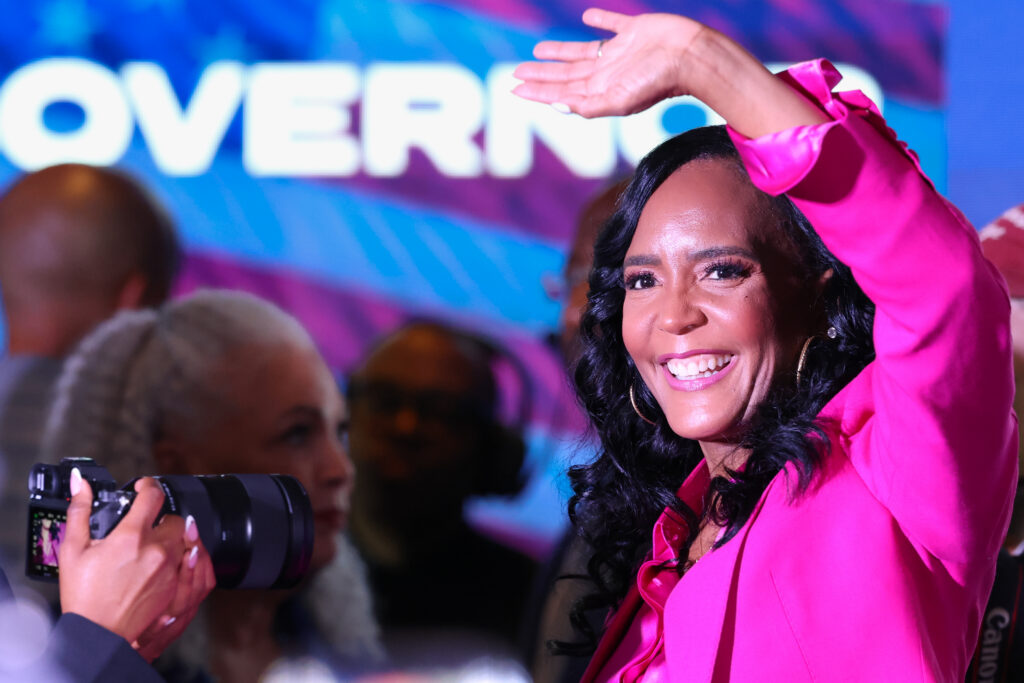
ATLANTA — In a groundbreaking election, Georgia voters have ushered in a new era by electing Keisha Lance Bottoms as the state’s governor, marking the first time in 238 years of statehood that both a woman and a Black individual have held the position.
Upon taking office in January, Democrat Keisha Lance Bottoms, who previously served as the mayor of Atlanta, will make history as the first Black woman to serve as governor in the United States.
Bottoms announced her victory on Tuesday night at 10:41 p.m.
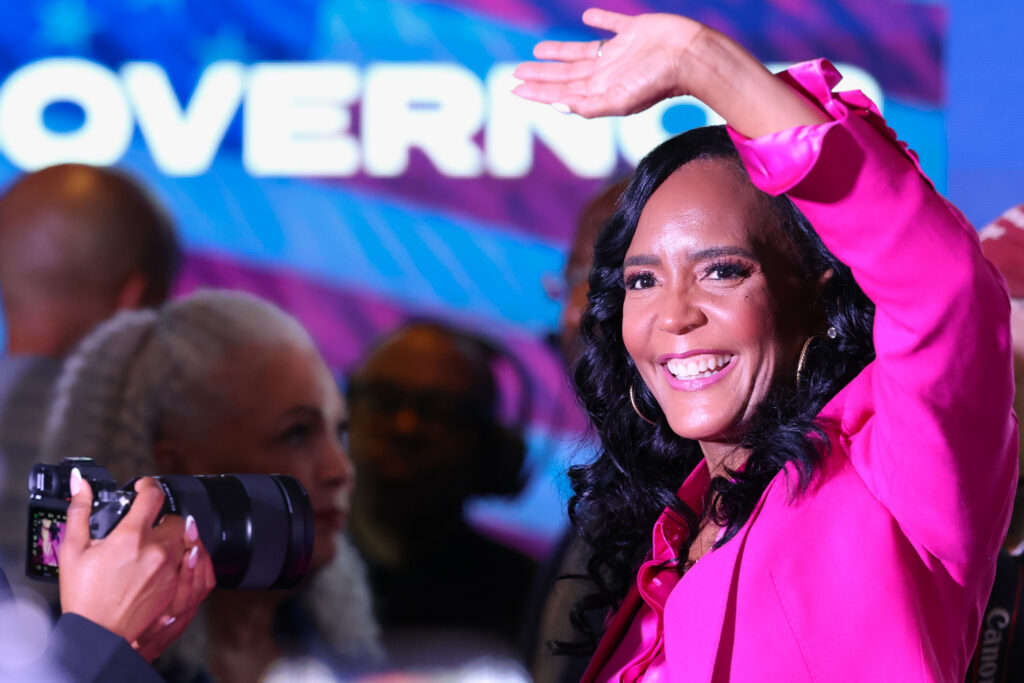
“Thank you, Georgia. I am honored to be your 84th governor,” she declared during a celebration at the Atlanta Marriott Marquis.
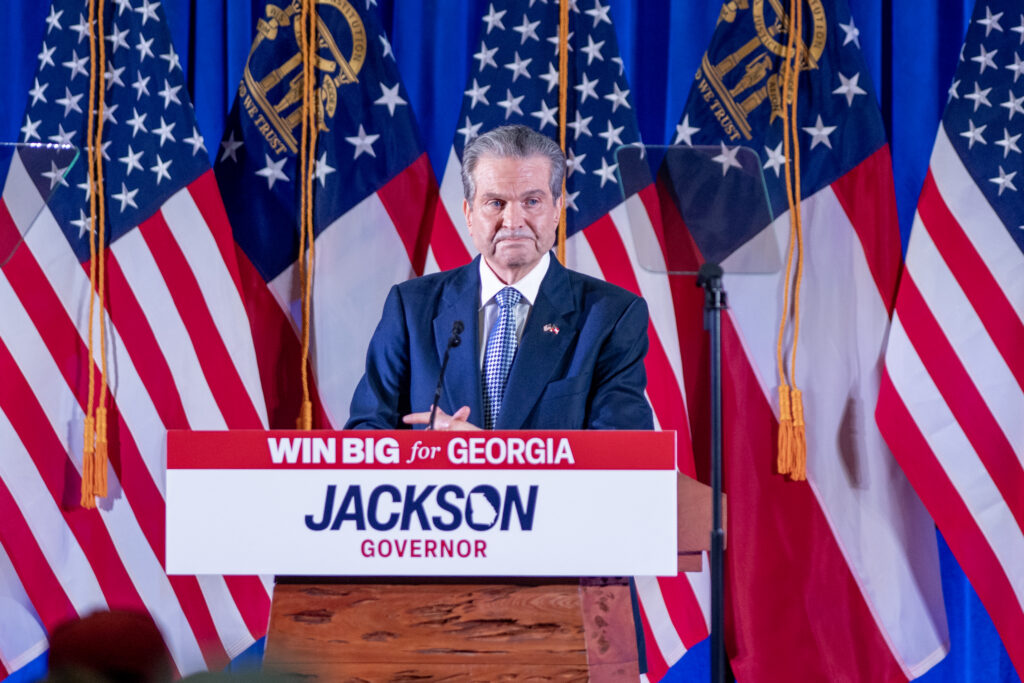
With unofficial results from the Georgia secretary of state’s office showing a lead of nearly 10 percentage points over her Republican opponent Rick Jackson, Bottoms secured her win with over 4 million votes counted.
Bottoms’ campaign capitalized on widespread frustration regarding the cost of living, as Republicans controlled key government positions. Despite her Democratic stance, she adopted certain Republican strategies, advocating for tax cuts, albeit less extensive than those proposed by Jackson.
Jackson had proposed halving the state income tax and removing the state tax on energy for residential and small-business customers, as well as suspending the gasoline tax during price spikes. In contrast, Bottoms suggested permanently reducing the gasoline tax by about five cents, along with cutting taxes on auto insurance and encouraging local governments to eliminate sales tax on groceries.
The candidates’ differing views extended to other significant issues. Bottoms advocated for expanding Medicaid, aligning with most other states, while Jackson aimed to extend Gov. Brian Kemp’s Medicaid plans with “intelligent” expansion. On abortion, Bottoms opposed the state’s current ban on procedures after fetal cardiac activity is detected, while Jackson supported the existing law.
Financially, the gubernatorial race was among the nation’s most expensive, with both campaigns raising over $150 million in the final three months. Much of this funding came from Jackson’s personal wealth, totaling over $200 million spent across his campaigns.
During her campaign, Bottoms highlighted Jackson’s wealth, asserting in her victory speech that “no amount of money will ever never ever ever overcome the power of the people,” emphasizing her focus on the concerns of everyday citizens.
Bottoms’ election marks a significant shift for Democrats, breaking a 24-year Republican hold on Georgia’s governor’s mansion since Roy Barnes’ defeat in 2002.
Despite the power vested in Georgia governors, Bottoms will need to work with a Republican-dominated General Assembly, although the balance could shift as legislative vote counts continue.
Jackson criticized Bottoms’ leadership during her time as Atlanta’s mayor, particularly in handling protests and opting not to seek re-election amid challenges, claiming she avoided responsibility.
Nevertheless, Bottoms returns to a larger stage, ready to govern Georgia, the nation’s eighth-largest state by population, upon her inauguration in January.
Reflecting on her historic win, Bottoms acknowledged civil rights icons and ancestors, stating, “I know I am standing on shoulders made of steel.”