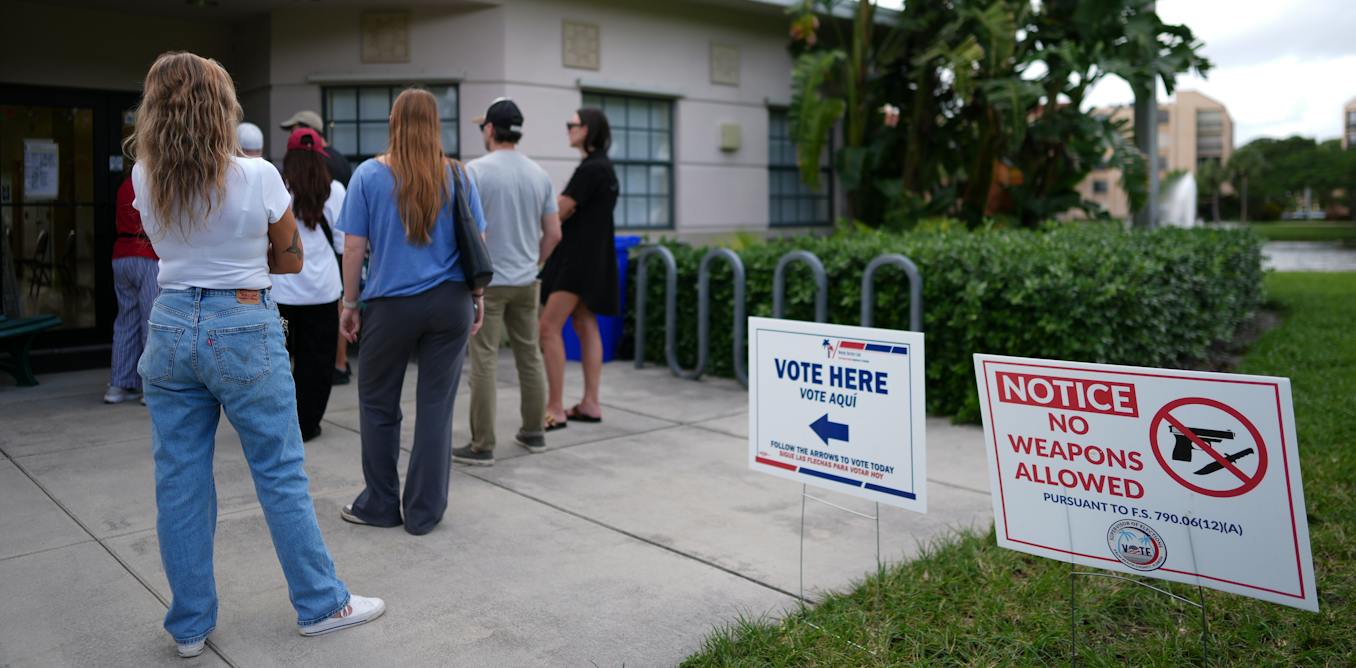
In a significant development for homeowners across Florida, a constitutional amendment aimed at reducing property taxes has received overwhelming support, with more than 60% of voters approving the measure on November 3, 2026. Known as Amendment 3, this law is set to transform the financial landscape for property owners in the Sunshine State.
Amendment 3 proposes to increase the homestead exemption from the existing US$50,000 to $150,000 by 2027, with a further increase to $250,000 in 2028. This change effectively reduces the taxable value of a home, resulting in lower property tax bills for homeowners. Additionally, new homeowners are set to benefit from a phased-in property tax break, easing their financial burden over time.
However, the amendment comes at a substantial cost. The Florida Legislature’s research division projects a reduction in annual property tax revenue of approximately $11.8 billion. This shortfall could lead to a 30% decrease in funding for counties and a 13% cut for smaller municipalities.
Potential Economic Impact
While homeowners will enjoy reduced tax bills, the broader economic impact could be substantial. Economists, including experts who have closely monitored Amendment 3, caution that local governments may face challenges in maintaining funding for essential services. The shift in tax burden could disproportionately affect those less affluent, as wealthier homeowners benefit from the tax cuts.
Rising costs of living and growing frustration with property taxes, which average over $3,000 annually, fueled the push for Amendment 3. The amendment also aims to limit tax increases on rental and commercial properties by capping annual assessment hikes at 5%, down from 10%. However, landlords may still pass on increased costs to tenants as property values rise.
School-related property taxes remain untouched by these cuts, and certain stipulations are in place to ensure continued funding for critical services like public safety and infrastructure. However, the amendment allows for funds to be used for “expenditures approved” by local governments, leaving room for interpretation and potential deviation.
Shifting Fiscal Responsibilities
Florida’s reliance on property taxes is significant, given the absence of a state income tax. With revenue reductions imminent, local governments may need to seek alternative funding sources. Options include increasing sales taxes, expanding taxable goods, and hiking fees for services such as solid waste management and stormwater utilities.
Local governments might also resort to raising tourism-related taxes, although this would not benefit counties with limited tourism appeal. Essential services, including police and fire departments, could face budget cuts, significantly impacting smaller counties where these services represent the largest expenditure.
Lower-income residents, who spend more of their income on consumption, may bear the brunt of any sales tax increases. Additionally, since they are more likely to rent, any rise in rental costs could disproportionately affect them.
Affordable Housing Concerns
The amendment’s impact on Florida’s affordable housing crisis has been less discussed. Property tax cuts could incentivize local governments to favor commercial development over residential, exacerbating the housing supply issue. Residential development often requires substantial public services, yet property taxes do not fully cover these costs, widening the funding gap as revenues fall.
Local governments may prioritize commercial or industrial projects, potentially leading to a scarcity of residential housing. This could drive up housing costs and rents, affecting workers in newly developed commercial areas.
As Amendment 3 takes effect, Florida’s local and county governments will need to navigate these complex fiscal and social challenges. The amendment’s long-term implications will likely prompt a reevaluation of state and local priorities.
Some content in this article originally appeared in a previous article published on July 30, 2026.