Arizona’s Anti-SLAPP Law Faces Legal Challenge from State Prosecutors
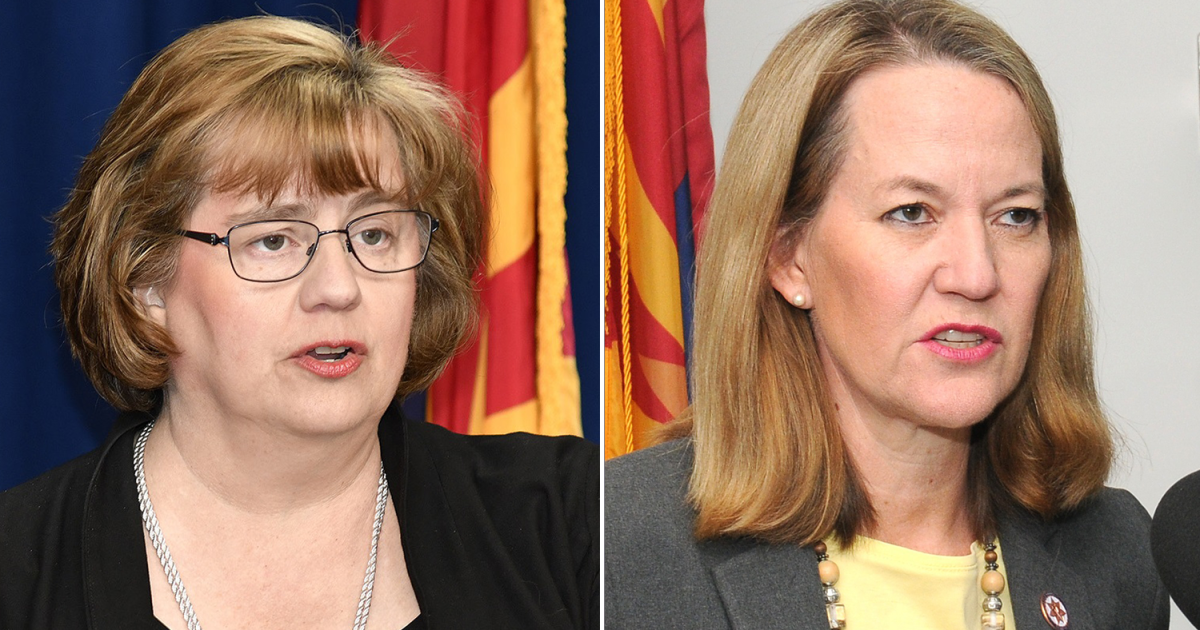
In a rare bipartisan move, Maricopa County’s Republican Attorney Rachel Mitchell and Arizona’s Democratic Attorney General Kris Mayes have united to challenge a state statute designed to protect First Amendment rights from criminal prosecutions. This unusual alliance seeks to overturn Arizona’s adaptation of the anti-SLAPP (strategic actions against public participation) law, which is intended to prevent lawsuits that curb free speech.
Arizona stands out as the first state to extend anti-SLAPP protections to criminal cases, a legislative change made in 2022. Currently, 38 states have anti-SLAPP laws in place, which primarily aim to protect defendants from litigation that stifles constitutional rights. However, the law’s expansion into the criminal realm has sparked controversy.
In a significant legal filing, the Maricopa County Attorney’s Office has argued that the state’s anti-SLAPP law is at odds with Arizona’s Constitution and is excessively broad. The challenge, initiated by Deputy County Attorney Philip Garrow, arises from a trespassing case involving 68 pro-Palestinian demonstrators arrested at Arizona State University last year. The defendants aim to utilize the anti-SLAPP statute to dismiss the charges, with a hearing scheduled for November 17.
The County Attorney’s Office contends that the law infringes on the separation of powers by allowing the legislative body to interfere with rule-making authorities that belong to the state Supreme Court. Additionally, it enables judges to override the discretion of law enforcement officials in deciding criminal charges.
Garrow’s filing critiques the law’s requirement for defendants to demonstrate that “the legal action was substantially motivated by a desire to deter, retaliate against or prevent the lawful exercise of a constitutional right,” deeming it vague and overly expansive.
Attorney General Mayes Weighs In
Attorney General Mayes has joined the legal challenge, specifically opposing the 2022 law’s application to criminal cases. Her office argues that the law’s language is too ambiguous and open to a variety of interpretations, echoing arguments made in another high-profile case involving so-called fake electors.
Assistant Attorney General Nick Klingerman noted, “These novel provisions have created substantial confusion over their application, and courts have employed varying standards to decide cases.” Mayes’ office clarified that their involvement does not indicate a position on the charges against the ASU protestors but rather an opposition to the anti-SLAPP statute itself.
Previously, Mayes has criticized the law, stating, “Obviously we’re up against an anti-SLAPP law that was designed to try to protect these fake electors from ever being held accountable.” She suggested that the 2022 expansion was a move by Republican legislators to shield individuals accused of falsifying documents in the 2020 presidential election.
In another related case, Maricopa County Judge Sam Myers allowed defendants to invoke an anti-SLAPP defense, though the proceedings are currently paused as Mayes challenges a ruling that sent the case to a grand jury.
Richie Taylor, Mayes’ spokesman, explained in an email, “Attorney General Mayes filed an amicus brief in this case because she believes the criminal anti-SLAPP law is a seriously flawed statute.” He further expressed concerns that the law, passed by “soft-on-crime Republicans in the Legislature,” could have broad implications for criminal prosecutions in Arizona.
The anti-SLAPP statute does have bipartisan support in some quarters. Earlier this year, a proposed expansion by GOP lawmaker Alexander Kolodin received backing from a legal advocacy group, which argued that such protections could be vital for protestors facing unjust targeting by law enforcement.