As science continues to explore novel ways to detect Alzheimer’s disease, researchers are now turning to a promising new method involving the eyes. This cutting-edge study aims to use eye tests as a non-invasive approach to identify Alzheimer’s-related proteins.
Innovative Eye Test in Development
Dr. Alex Huang, serving as the chief medical advisor for Amydis, a California-based company, is at the forefront of this research. Collaborating with Banner Alzheimer’s Institute in Arizona, Amydis has created an eye test capable of identifying amyloid proteins in the retina.
“And then what Amydis did was to develop these special tracers that we can put in a vein,” he said. “And then they identify and light up when they run into the disease protein.”
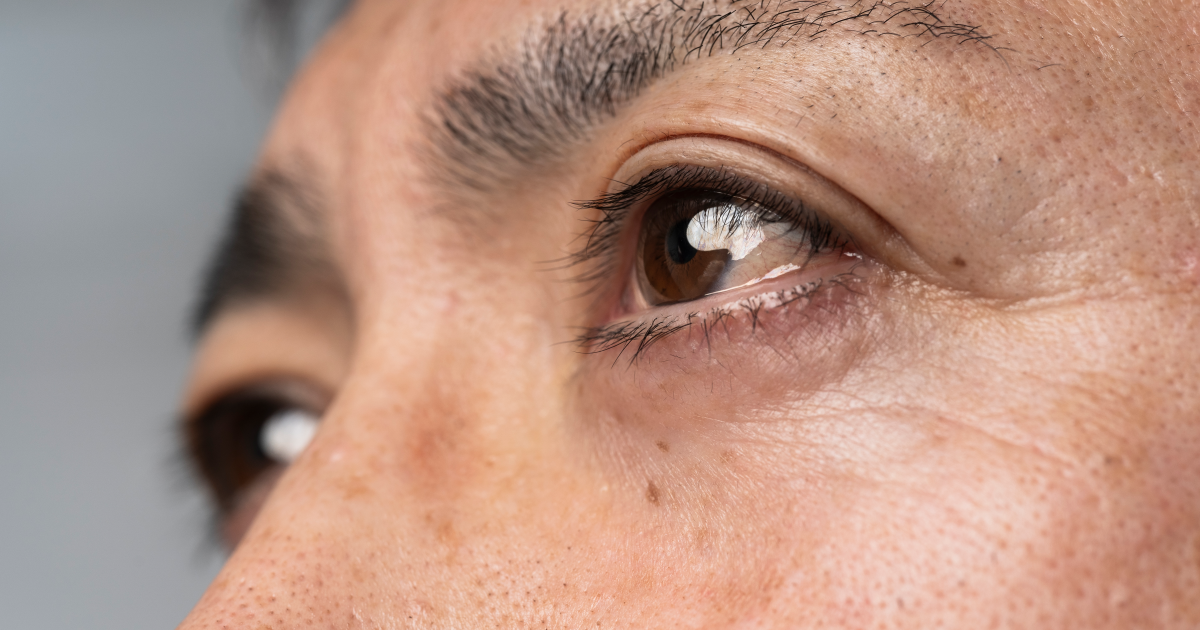
While still in its nascent stages, the eye test involves a simple procedure where participants rest their chin on a device and focus on a camera. A tracer is then administered intravenously to highlight the presence of the protein in the eyes, according to Dr. Huang.
Early Detection Aiming for Impact
The primary objective of this federally funded initiative is to evaluate these tracers in individuals already diagnosed with Alzheimer’s. Dr. Huang elaborates, “So people who have Alzheimer’s who are interested in participating would first see a neurologist just to make sure they’re the right patient.” Subsequently, these individuals are referred to eye care specialists in Arizona, who are equipped with the necessary technology for this innovative imaging.
A notable advantage of this method is its potential to diagnose Alzheimer’s earlier. Dr. Huang notes that most individuals visit their eye-care providers more frequently than their primary physicians, which could facilitate earlier diagnosis and intervention.
“And then the other thing is that once you do that, what does that mean? If we can see it, right? It means that if there is beta amyloid in the retinas, it’s very certain that there’s also beta amyloid in the brain,” Huang said.
This early detection could be crucial in altering the progression of Alzheimer’s for those affected.
For those interested in participating or seeking more information about this NIH-supported study, visit amydis.com/contact-us/ or reach out to Associated Retina Consultants in partnership with Banner via Mallory Mintert at 480-999-5458 or [email protected].