As Miami transitions from hosting global events to its regular rhythm, the city stands at a crossroads of opportunity and challenge.
In 2026, Miami became the center stage for major international events, including seven FIFA World Cup matches, the College Football Playoff national championship game, the World Baseball Classic, and the Formula 1 Miami Grand Prix. As the city looks ahead to 2027, questions arise about whether this exposure will sustain tourism and economic growth.
With insights from a leading hospitality school dean, current economic trends and event schedules indicate a transformative year for Miami’s tourism industry in 2027.
Current data suggests a shift from domestic budget travelers to affluent international visitors, indicating potential changes in the tourism market.
The Demise of Spirit Airlines
One of the most significant developments was the closure of Spirit Airlines in May 2026. As the main carrier at Fort Lauderdale-Hollywood International Airport, its collapse was a blow to budget travelers, exacerbated by soaring jet fuel prices due to geopolitical tensions.
Spirit had ambitious plans for 100 daily departures from Fort Lauderdale in 2026. With those plans now dismantled, the impact on air travel affordability is profound. Budget-friendly seats have diminished, and many planned trips might not materialize, affecting tourism during off-peak seasons.
However, local residents, who accounted for 9.1 million visits to Greater Miami in 2025, are less affected by airfare hikes, offering some resilience to local tourism.

Joe Raedle/Getty Images News via Getty Images
International Visitor Trends
Miami’s international tourism sector has faced fluctuations, with a 2.8% decline in international visitors in 2025. Notably, drops in visitors from Colombia, Brazil, and Canada were counterbalanced by increases from the U.K., Italy, and Argentina.
Despite fewer international visitors, spending by these tourists rose to $7.2 billion, suggesting longer and more luxurious stays.
Early 2026 data reveals a potential rebound, with Florida’s airports processing 1.59 million international arrivals in the first quarter, a promising sign for the state’s tourism industry.
Building on World Cup Momentum
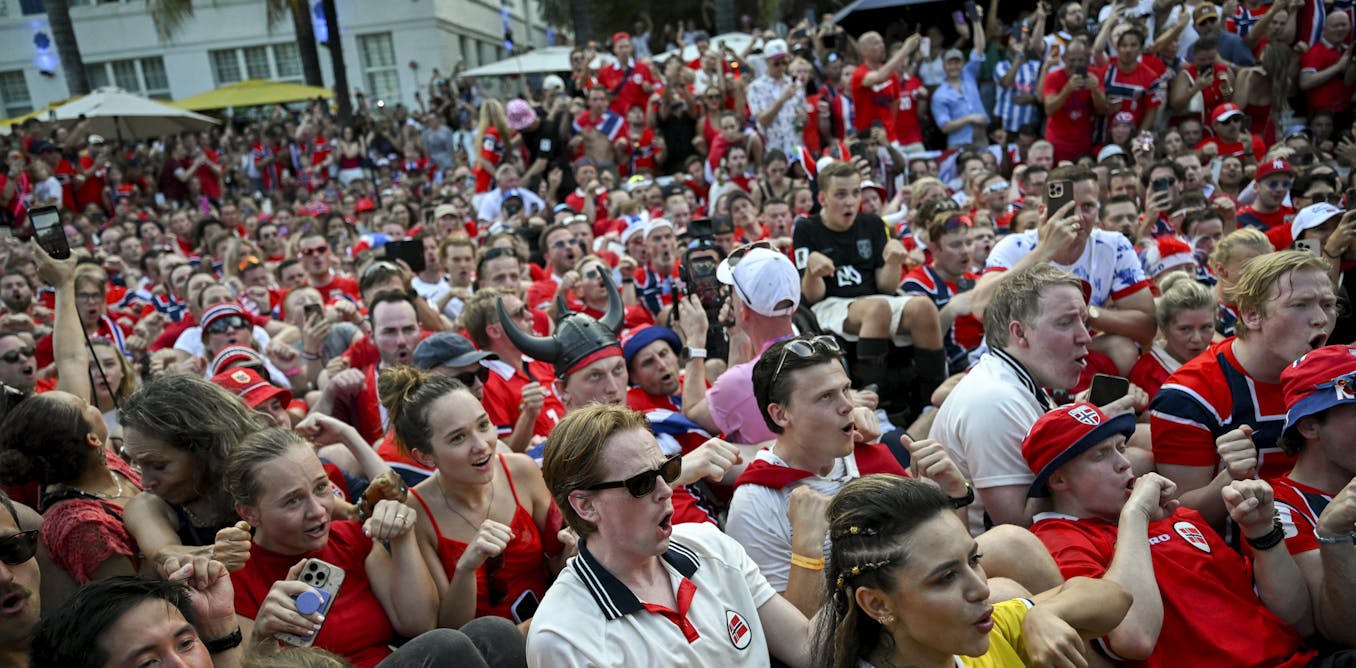
The FIFA World Cup proved to be a significant draw, with the Miami Fan Festival attracting over 600,000 fans. This international exposure could translate into repeat visits, although 2027 lacks similar blockbuster events.
However, the year is not devoid of attractions. Miami Beach will host numerous conventions, including the Professional Convention Management Association Convening Leaders, drawing professionals from around the globe.
Additional events like the Adobe Creativity Conference and Unleash America signal a strong convention pipeline, while perennial favorites like the Miami Open and Formula 1 Grand Prix continue to anchor the city’s event calendar.
Pricing Dynamics
Hotel pricing remains a pivotal factor in Miami’s tourism market. In May 2026, Miami-Dade hotels led major U.S. markets in occupancy and average daily rates, reflecting strong demand despite potential cost barriers.
The World Cup significantly boosted hotel revenues, with average daily rates up 51.1% year-over-year. The challenge is maintaining this pricing power into 2027.
Looking Ahead
The future of Miami’s tourism industry will hinge on several factors, including the recovery of Spirit Airlines’ capacity, jet fuel price stabilization, and continued interest from international markets.
While a strong dollar and border policy may pose challenges, the key will be sustaining visitor satisfaction and encouraging repeat visits. As the city capitalizes on its global exposure, local businesses have a crucial role in ensuring Miami remains an attractive destination.