As artificial intelligence (AI) continues to advance, its impact is becoming increasingly visible in the job market, transforming how industries approach entry-level roles. A scenario once reserved for science fiction is now a tangible reality, as AI begins to redefine workforce dynamics.
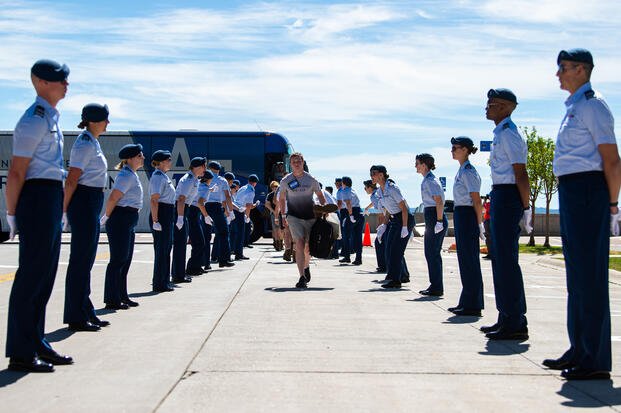
According to a Forbes report on “New Ivies,” colleges are adapting to the changing job landscape, especially with the decline in entry-level positions. Notable among these institutions is the United States Air Force Academy, highlighting the military’s evolving approach to workforce preparation.
Research from Stanford’s Digital Economy Lab indicates that while AI’s presence is linked to reduced early-career employment, the full impact of this shift will manifest more prominently by 2024.
AI’s Impact on Entry-Level Employment
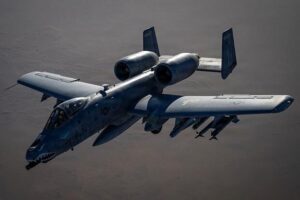
The influence of AI is evident across various sectors. The Air Force, for instance, has long invested in AI, applying it in pilot training and combat operations. As AI systems become more ingrained, the implications for entry-level positions and traditional training paths are becoming more pronounced.
Forbes’ analysis indicates that about 25% of executives expect AI to reduce their need for entry-level hires. Additionally, most foresee significant changes in staffing requirements. Despite stable job markets, roles vulnerable to AI are seeing a decline in younger employees.
Employers are increasingly seeking candidates who can operate AI systems, interpret data, and make strategic decisions. Consequently, the demand for roles that require immediate technical competence is growing, reducing the number of traditional “learn-on-the-job” opportunities.
Challenging the Narrative of AI’s Inevitable Impact
Some experts, like Nobel laureate Daron Acemoglu, argue that AI’s impact on jobs isn’t predetermined. Speaking with MIT Sloan Management Review, Acemoglu noted the growing divide between AI systems that automate tasks and those that complement human skills. He suggested that the current focus on automation could shrink entry-level opportunities.

Schools on the “New Ivies” list are responding by updating curricula to include AI-related content across disciplines. This approach aims to equip graduates with the skills needed to thrive in AI-enhanced environments, regardless of their field of study.
Implications for the Military Workforce
The inclusion of the U.S. Air Force Academy in the “New Ivies” list reflects a broader military focus on technological advancements. The academy’s emphasis on science, engineering, and technology aligns with the military’s need to prepare personnel for a tech-driven landscape.
As AI redefines workflows, both civilian and military entry-level roles may soon require higher-level competencies from the outset. This shift could see new personnel expected to possess essential skills before starting their roles, emphasizing qualities like adaptability and critical thinking alongside technical training.

For institutions like the U.S. Air Force Academy, the challenge lies in balancing technical expertise with leadership development. As AI continues to integrate into military operations and the workforce at large, maintaining this balance becomes increasingly crucial.

As AI continues to influence workforce dynamics, its role in shaping career beginnings is becoming more apparent, moving from speculative fiction to observable reality.