
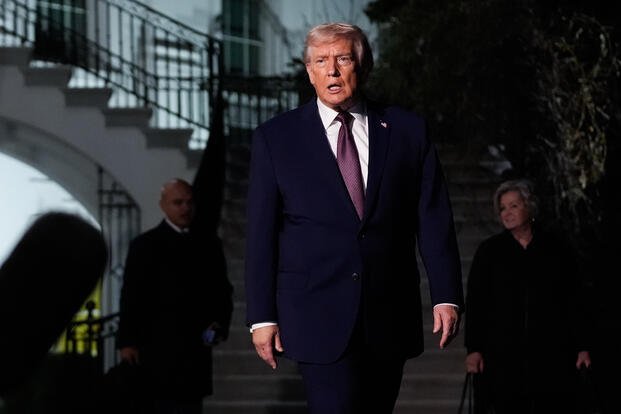
U.S. forces intercepted an oil tanker off Venezuela, escalating Trump’s pressure on Maduro amid sanctions and alleged illegal oil trafficking.
Posts published in “Military News”
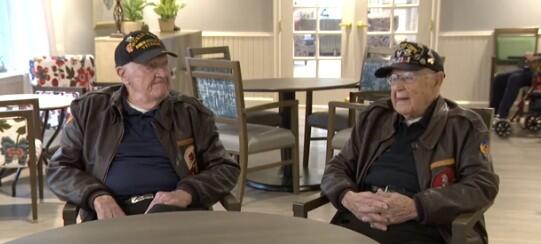
WWII veterans Les Schrenk, 102, and Casey Bukowski, 101, share an incredible bond. Both were captured on the same day and met decades later.
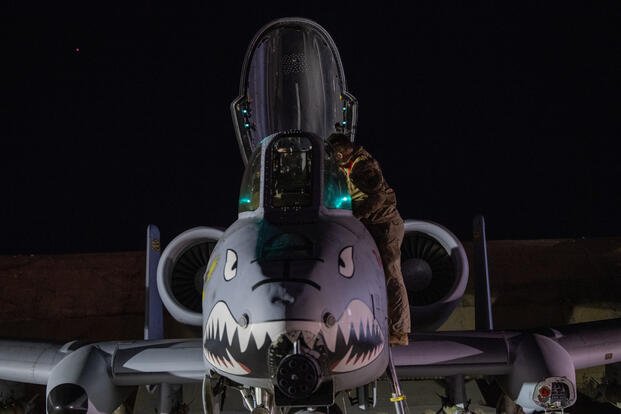
Jordan confirmed its air force joined U.S. strikes on ISIS targets in Syria, after an attack killed three Americans. The operation aimed to prevent ISIS regrouping.
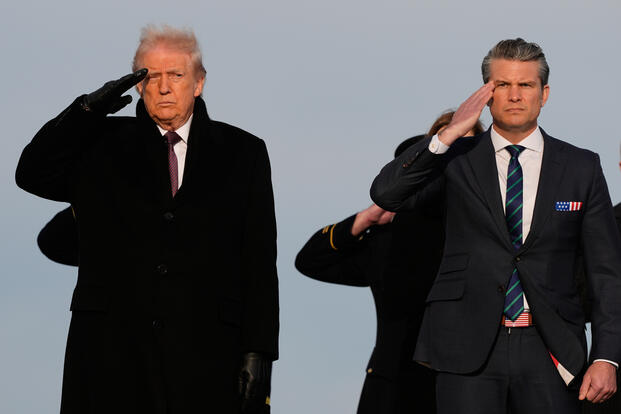
The Trump administration launched strikes in Syria targeting IS sites after an attack killed U.S. troops. Trump vows serious retaliation.

The U.S. Marine Corps will update its fitness standards in 2026, emphasizing gender-neutral requirements and a new waist-to-height ratio.
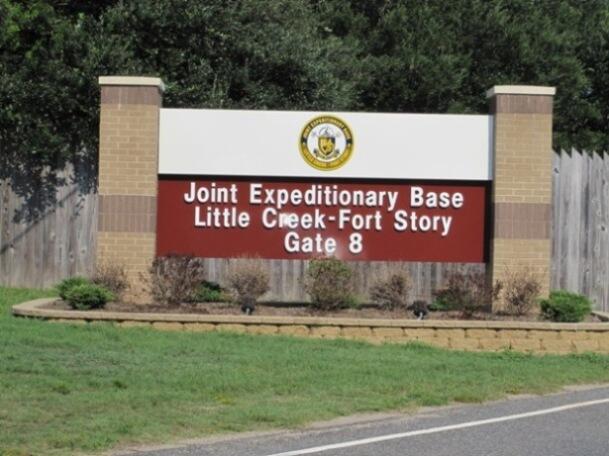
In 2025, the Navy disciplined SEAL Team 4 members over racist conduct. The investigation highlighted leadership failures and unit culture issues.
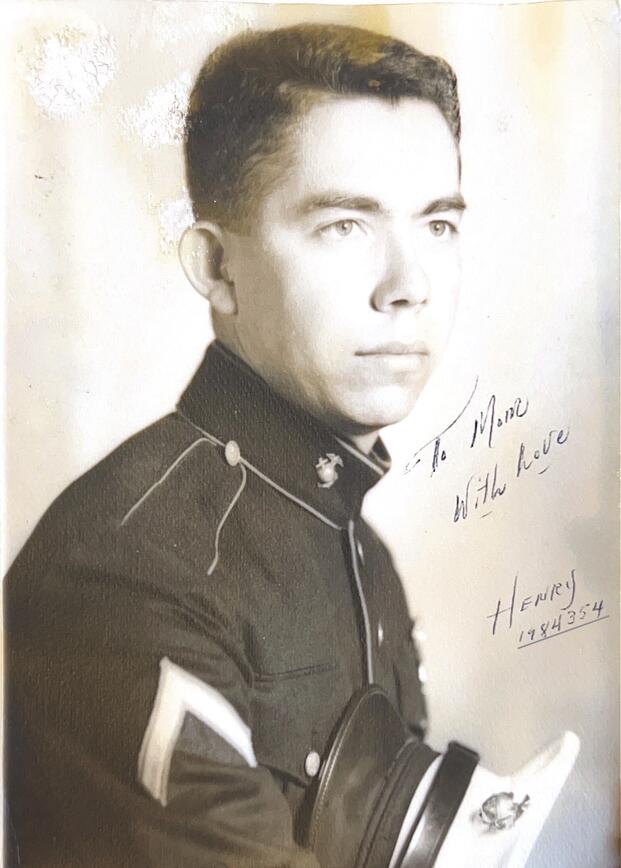
Joseph Henry Suina, a Vietnam veteran, reflects on his journey from a Native American community to the U.S. Marine Corps, battling trauma.
The U.S. military ends live fire training on animals, opting for simulators. This shift, part of a defense bill, aims to reduce animal suffering.
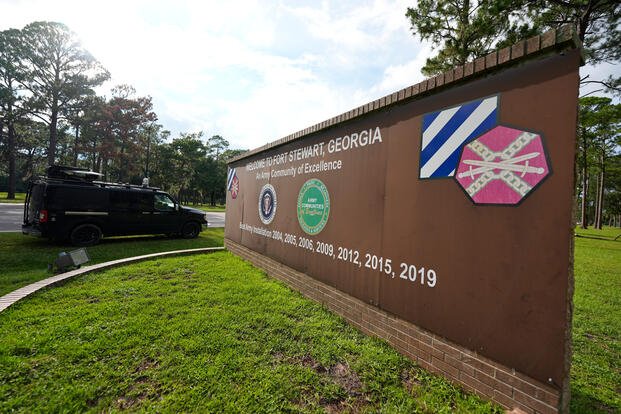
Sgt. Quornelius Radford pleaded not guilty to charges of attempted murder following an August shooting at Fort Stewart, Georgia, injuring five.
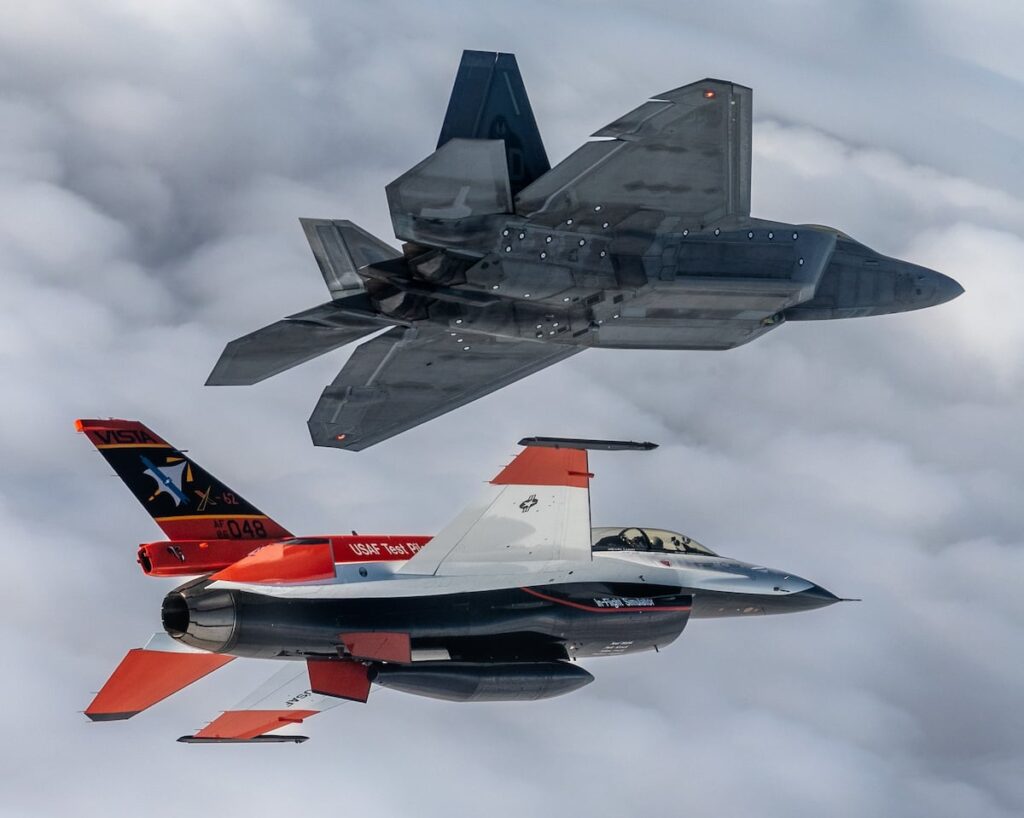
The Air Force's X-62 VISTA, an upgraded F-16D test aircraft, is set to receive advanced radar and mission systems to enhance AI testing.