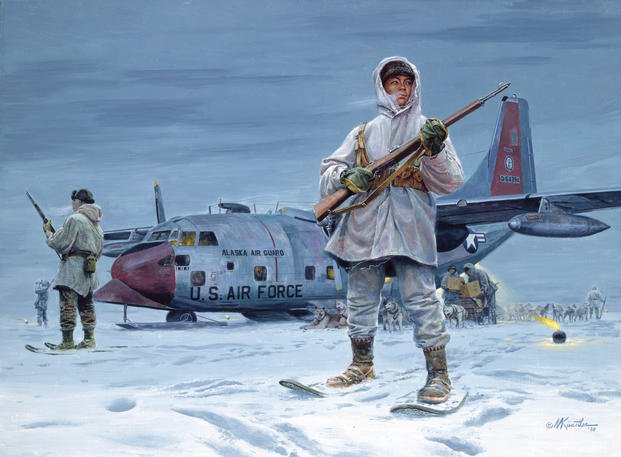
In the midst of the Cold War, as tensions soared between global superpowers, a secretive operation unfolded in the least likely of places: Alaska. This vast, icy expanse became the backdrop for a clandestine network of ordinary citizens ready to defend against a Soviet invasion. Hidden from public eyes for over five decades, this operation was a little-known chapter in the Cold War saga until its declassification in 2014.
When North Korean forces, backed by the Soviet Union, invaded South Korea in 1950, the U.S. feared escalation into World War III. With Alaska just a short distance from Soviet territory across the Bering Strait, the region became a potential entry point for enemy forces. To counter this threat, 89 Alaskans were recruited for a secret mission.
The Covert Operation Washtub: A Unique Cold War Strategy
From 1951 to 1959, the FBI and the Air Force collaborated on Operation Washtub, training individuals like bush pilots, hunters, and miners to act as covert agents against potential Soviet advances in Anchorage or Fairbanks. This operation remained under wraps until the declassification of documents in 2014.
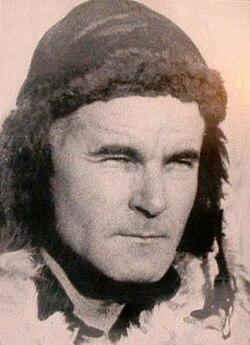
FBI Director J. Edgar Hoover and Joseph Carroll of the Air Force Office of Special Investigations spearheaded the initiative. Their goal was to create an intelligence network of civilians capable of monitoring Soviet activities if Alaska came under threat. These operatives had to seamlessly blend into their surroundings, making locals like bush pilots, who regularly traveled to remote locations, ideal candidates. Among those vetted by the FBI was Bob Reeve, a notable aviator known as “the glacier pilot.”
Survival Caches: Hidden Resources Across the Alaskan Wilderness
Scattered across Alaska were survival caches, strategically concealed in caves, cabins, and forests. As reported by the Anchorage Daily News, each cache cost approximately $2,500 in 1951 (equivalent to around $29,000 today). These stockpiles contained essential survival tools and espionage gear, including rifles, pistols with silencers, climbing ropes, skis, radios, explosives, and gold or silver coins for bartering.
Recruits were paid $3,000 per year to be on standby, with the potential for increased compensation if the Soviets invaded. The agents, averaging 50 years old, had diverse backgrounds, from photographers to miners. Nevertheless, the program intentionally excluded Alaska Native populations due to prejudiced assumptions in the FBI’s declassified documents.
The Unexpected Conclusion of Operation Washtub
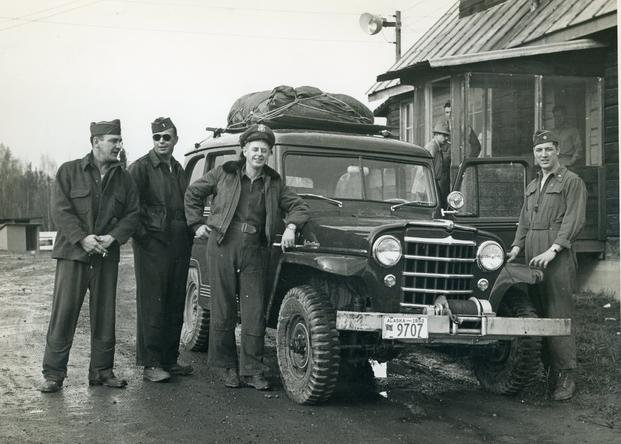
Despite its promising start, Operation Washtub faced an abrupt shift when Hoover withdrew the FBI in 1951, fearing another intelligence fiasco akin to Pearl Harbor. The Air Force continued alone until 1959. By then, geopolitical dynamics had shifted, and maintaining the operation became financially burdensome.
An Outside Online account from 1988 suggested that many caches were looted, and searches in 1989 yielded no results. However, some caches might still be hidden within Alaska’s vast landscape.

Bob Reeve’s potential involvement remains unconfirmed, yet his remarks to his biographer hinted at the confidence in the Alaskan defense: “Hell no,” he stated. “If we don’t knock ’em down like pigeons before they get across the Alaskan Range, we Alaskans, each with a half-dozen guns and ammunition, will just kick their teeth out.” Fortunately, the anticipated Soviet invasion never occurred, leaving Operation Washtub as a testament to a unique Cold War strategy that never had to be enacted.