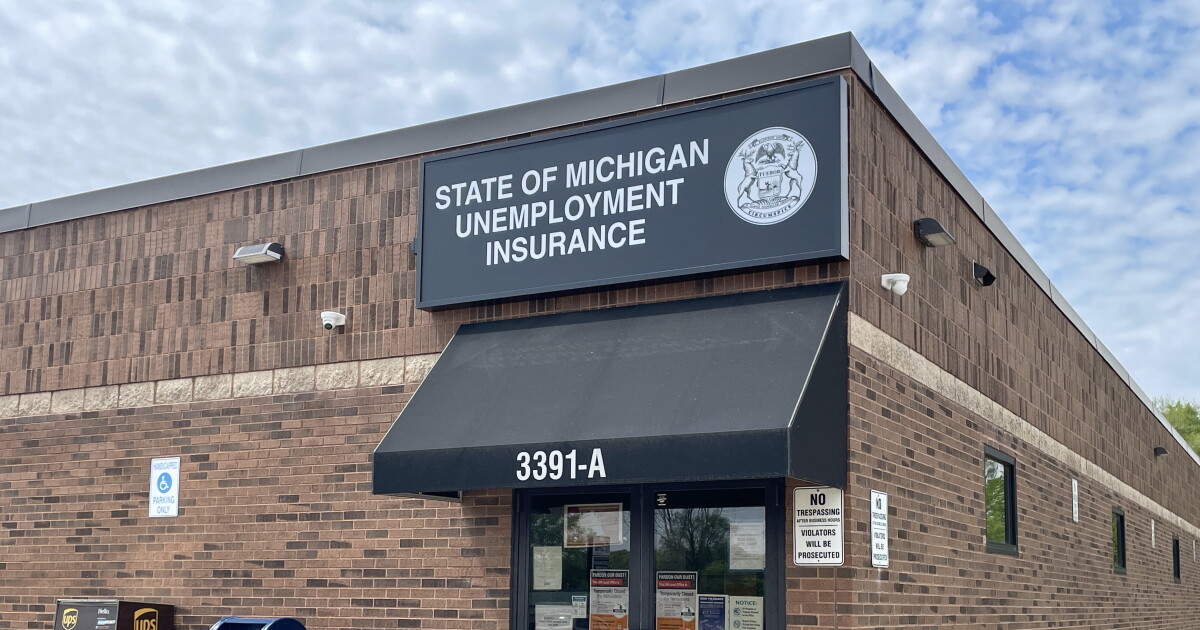
States Sue U.S. Department of Labor Over Clawed-Back Funding for Unemployment Systems
Michigan and 13 other states have taken legal action against the U.S. Department of Labor for retracting millions of dollars in funding intended for upgrading state unemployment insurance systems. The grants in question were part of the American Rescue Plan Act, a stimulus package aimed at aiding economic recovery following the COVID-19 pandemic.
The grants were designated to enhance the technology utilized in managing state unemployment programs to combat fraud, ensure timely benefit disbursements, and promote equal access. The Department of Labor allocated over $780 million to various states for these purposes. However, the lawsuit claims that the department abruptly canceled agreements with states in the first year of the Trump administration, citing a shift in priorities as the reason.
DOL spokesperson Courtney Parella criticized the Biden administration for focusing on equity rather than broader access, stating that the opportunity to improve unemployment systems was squandered on bureaucratic projects. The coalition of states argues that the DOL’s actions constitute a breach of contract, as the grant agreements did not permit funding termination due to federal priority changes.
Michigan, one of the affected states, saw a significant portion of its funding retracted by the DOL. The state was awarded Equity grants totaling $6.78 million to enhance access, payment timeliness, and fraud prevention equity, of which $2.83 million was clawed back. Additionally, Michigan received $4.47 million in Tiger Team grants to implement expert recommendations, with $1.41 million rescinded by the department.
Michigan Attorney General Dana Nessel expressed concern over the impact of the funding cuts on the state’s ability to modernize technology, combat fraud, and safeguard essential services for residents. Nessel was supported by attorneys general from California, Colorado, Delaware, Illinois, Maine, Maryland, New Jersey, New Mexico, New York, Oregon, and Wisconsin, as well as the governors of Kentucky and Pennsylvania.