Significant Decline in SNAP Enrollment in Michigan
Michigan has witnessed a substantial drop in Supplemental Nutrition Assistance Program (SNAP) enrollment, affecting over 167,000 individuals, including more than 53,000 children, since last summer. This decline is primarily attributed to new work regulations and increased bureaucracy, as stated by policy experts.
Policy Changes Lead to Enrollment Decrease
Before the implementation of the “One Big Beautiful Bill” by President Donald Trump in June 2025, around 1.4 million individuals were enrolled in SNAP. However, by August of this year, Michigan experienced a nearly 12% reduction in enrollment, resulting in numerous residents losing access to this crucial food assistance program.
Recent months have seen a sharp decline in SNAP participation nationwide, with Michigan’s decrease largely linked to the introduction of new rules, including work obligations. The additional administrative burden has caused confusion among beneficiaries, leading to benefit reductions or complete removal from the program.
Erin Frisch, senior deputy director for the economic stability administration at the Michigan Department of Health and Human Services (MDHHS), highlighted the challenges faced by individuals in understanding and meeting the new requirements to maintain their SNAP benefits.
Struggles of SNAP Recipients
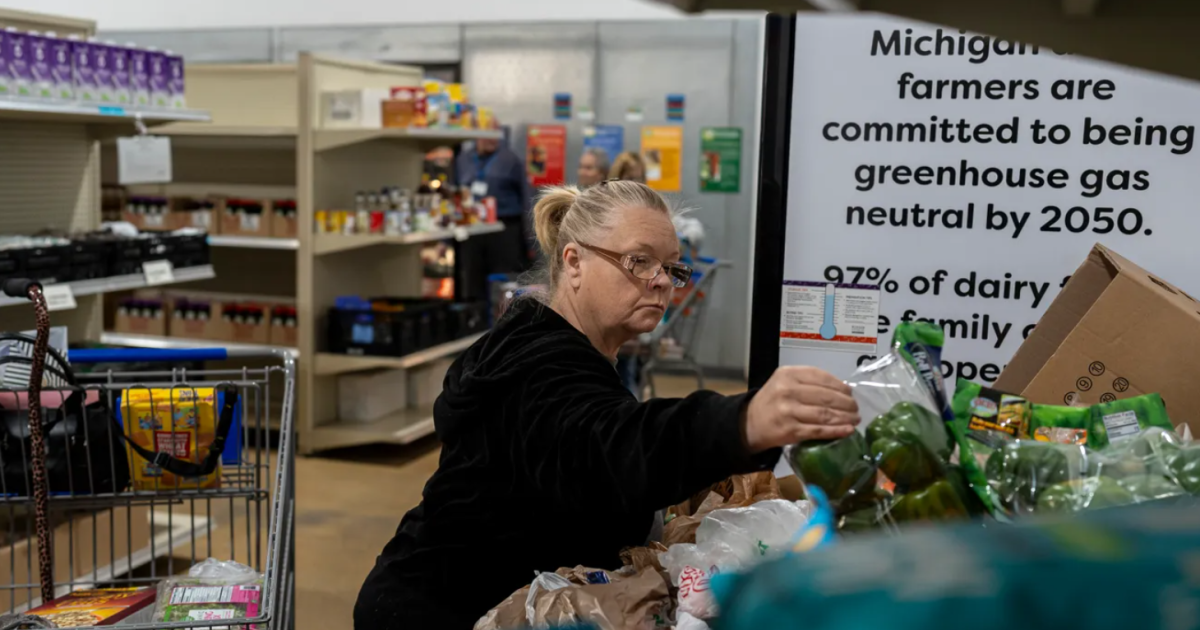
One resident, Lisa McCracken, shared her experience of witnessing a reduction in SNAP benefits, making it increasingly difficult to afford essentials amid rising costs of living. McCracken’s benefits dwindled from $293 to $180 per month, while she navigates health issues that prevent her from fulfilling the newly imposed work mandates.
Michigan’s modifications to the SNAP program have expanded the demographic that must adhere to work or volunteer prerequisites, impacting individuals aged 18 to 64 without dependents under 14. Exceptions for certain vulnerable groups, such as homeless individuals and young adults exiting foster care, have been eliminated, adding further barriers to accessing SNAP benefits.
Experts and advocates emphasize that the stringent regulations and bureaucratic complexities introduced through federal policies have hindered residents’ ability to enroll in and retain SNAP benefits, contributing to the significant decline in program participation across the state.
As the state grapples with the implications of these policy changes, concerns mount regarding the ability of community organizations to bridge the gap in food assistance for those no longer covered by SNAP.