Michigan Senate Candidates Clash in Grand Rapids Debate
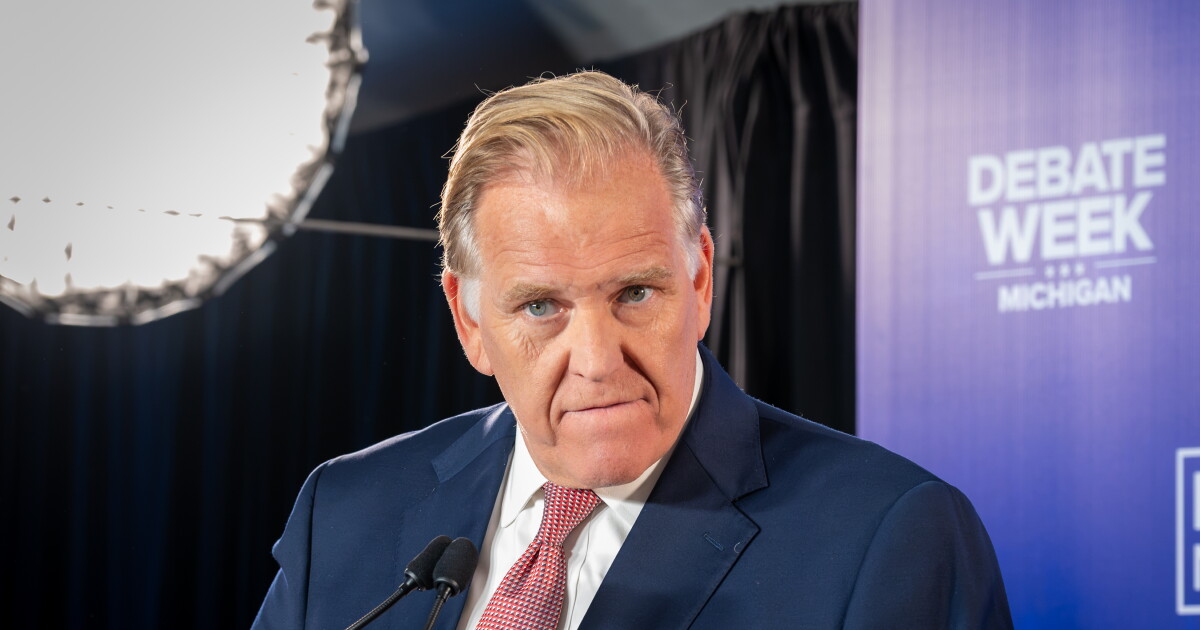
Republican Mike Rogers and Democrat Abdul El-Sayed engaged in a heated debate in Grand Rapids, Michigan, showcasing their differing views on various issues. The debate took a contentious turn as Rogers launched attacks on El-Sayed, veering off-topic multiple times, prompting the moderator to intervene.
Energy Policies and Gas Prices
Rogers, a former advocate for U.S.-Israel military actions against Iran, has shifted his stance due to rising fuel costs, now calling for an end to the war. Both candidates support temporary relief from federal gas taxes, although El-Sayed remains steadfast in his opposition to the conflict, citing its impact on energy prices.
Surveillance Technology Concerns
The discussion also touched on the use of automated license plate cameras manufactured by Flock, with El-Sayed expressing reservations about the surveillance technology due to privacy concerns. Rogers, drawing on his experience on the House Intelligence Committee, emphasized the need for cautious implementation, particularly regarding citizens’ rights.
Controversy Over Accusations
Rogers sparked controversy by accusing El-Sayed’s mother of having ties to al-Qaida through her work with the Islamic American Relief Agency. El-Sayed vehemently defended his mother, highlighting that she was never implicated in any wrongdoing by the U.S. Department of Justice.
Israel Relations
The debate occurred on the anniversary of a Hamas terrorist attack in Israel, prompting questions about El-Sayed’s public response. He explained that he chose not to make a statement out of respect for those affected by the tragedy.
Despite the intense exchanges and off-topic diversions, the debate shed light on the candidates’ positions on critical issues facing Michigan and the nation.
In a recent debate between candidates in Michigan’s U.S. Senate race, the topic of providing weapons to Israel for defense sparked a heated discussion. One candidate, El-Sayed, firmly stated his opposition to using tax dollars to buy weapons for other countries, while another candidate, Rogers, expressed support for providing weapons to Israel. The debate took a contentious turn when Rogers accused El-Sayed of receiving support from individuals who openly endorse extremist groups like Hamas, Hezbollah, and al-Qaida. El-Sayed chose not to engage with these attacks during the debate, later explaining that he believes his opponents use scare tactics to divert attention from pressing issues like rising costs of gas and groceries.
Debt was another significant issue discussed during the debate, with the national debt surpassing $40 trillion. Rogers highlighted his bipartisan efforts to reduce the debt while serving on the U.S. House Intelligence Committee, citing a successful $11 billion budget cut. On the other hand, El-Sayed criticized the Republican Party’s approach, alleging that they prioritize tax cuts for the wealthy and military intervention, leading to increased deficits and debt, as exemplified by President Trump’s policies.
The outcome of this election has far-reaching implications, as it could shift the balance of power in the U.S. Senate. Outside interest in the race is evident through the influx of tens of millions of dollars from non-local sources. Additionally, prominent figures like President Trump and former President Obama are expected to visit Michigan to offer endorsements. Notably, Michigan has not elected a Republican U.S. senator since 1994, making this race a crucial one to watch.