Trump and Iran Reach Historic Agreement to End War and Reopen Strait of Hormuz
After more than three months of conflict, President Trump and Iran have announced a groundbreaking agreement aimed at bringing an end to the war in Iran and reopening the vital maritime passage, the Strait of Hormuz. The deal, set to be formalized in Switzerland on Friday, signifies a significant milestone in a conflict that has had far-reaching implications on the Middle East and the global economy.
Key Developments Expected
Under the terms of the agreement, the United States and Iran will cease the sporadic attacks that have persisted despite a ceasefire, leading to a halt in the Israel-Hezbollah fighting in Lebanon. Additionally, both countries will lift their respective blockades of the Strait of Hormuz, a crucial waterway that has been a focal point of the conflict, affecting global oil prices.
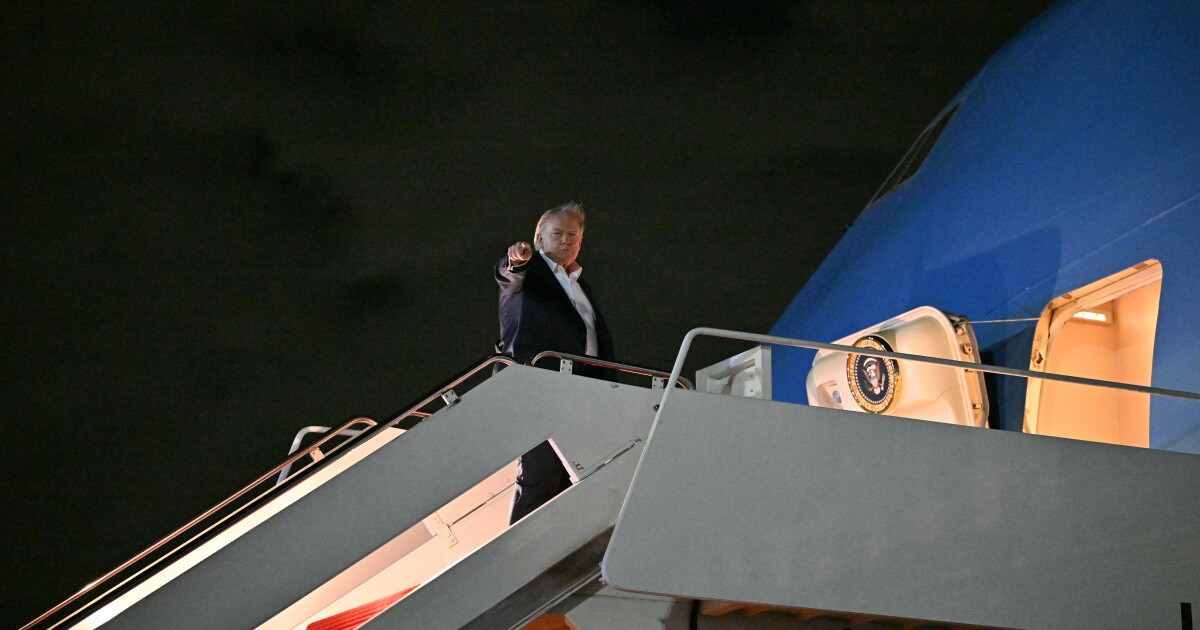
President Trump expressed his optimism about the deal, stating on social media, “The Deal with the Islamic Republic of Iran is now complete. Congratulations to all!”
Remaining Challenges and Negotiations
While the agreement represents a significant step towards peace, several critical issues still need to be addressed in subsequent rounds of negotiations. The fate of Iran’s nuclear program remains a key point of contention, with President Trump indicating that Iran would be allowed low-level nuclear enrichment, a departure from his previous stance of complete dismantling.
Iran is also seeking the release of frozen assets and the lifting of sanctions imposed by the U.S. and the international community, posing additional challenges to the negotiations.
International Reactions
Leaders from the Middle East and Europe have welcomed the agreement, praising the breakthrough and emphasizing the importance of swift implementation. The deal has garnered support from countries like Qatar, France, Germany, the U.K., and Italy, who have called for the urgent reopening of the vital waterway and reaffirmed their commitment to stability in the region.
French President Emmanuel Macron, speaking ahead of the G7 summit, highlighted the diplomatic opportunities arising from the agreement, focusing on the broader implications for regional stability and cooperation.
As the world awaits the formal signing of the agreement in Switzerland, hopes are high for a lasting resolution to the conflict in Iran and the reopening of the crucial Strait of Hormuz.
New Article: Study Reveals Alarming Increase in Pollution Levels in Urban Areas
A recent study conducted by environmental scientists has shed light on the concerning rise in pollution levels in urban areas across the country. The research findings indicate a significant increase in harmful pollutants in the air, posing a threat to public health and the environment.
Key Findings of the Study:
The study analyzed air quality data from various cities over the past decade and revealed a disturbing trend of escalating pollution levels. Particulate matter, nitrogen oxides, and volatile organic compounds were identified as the primary pollutants contributing to the deteriorating air quality in urban regions.
Researchers noted that the rise in pollution levels is primarily attributed to increased industrial activities, vehicular emissions, and urban development. These factors have collectively led to a surge in air pollution, surpassing the acceptable limits set by environmental regulations.
Impact on Public Health and Environment:
The study highlighted the adverse effects of heightened pollution levels on public health, with a significant increase in respiratory illnesses, cardiovascular diseases, and other health complications observed in urban populations. Furthermore, the environmental consequences of pollution, such as acid rain and smog formation, were also emphasized as significant concerns.
Call for Action:
Environmental experts have stressed the urgent need for mitigation measures to address the escalating pollution crisis. They advocate for stricter regulations on industrial emissions, promotion of eco-friendly transportation options, and increased public awareness on air quality issues.
It is imperative for policymakers, businesses, and individuals to collaborate in implementing sustainable practices and reducing pollution levels to safeguard both public health and the environment.