States Propose New Water Conservation Plan for Colorado River Amidst Prolonged Negotiations
Amid ongoing discussions and challenges, Arizona, California, and Nevada have presented a new strategy to manage the dwindling water resources of the Colorado River. This recently unveiled proposal aims to significantly reduce the amount of water these states draw from key reservoirs until 2028, a move seen as crucial to sustaining the river’s water levels while long-term solutions are sought.
Announced on Friday, the plan involves retaining between 700,000 to 1 million acre-feet of water in the Colorado River system. This effort is designed to safeguard the water levels of Lake Powell and Lake Mead, the two largest reservoirs in the nation.
An acre-foot, the unit used to measure this water reduction, represents the volume of water required to cover an acre of land to the depth of one foot, which typically suffices for the annual needs of one to two households.
The newly proposed water conservation measures will complement previously suggested reductions, with state officials indicating that cumulative cutbacks could exceed 3.2 million acre-feet by 2028. This initiative serves as a temporary measure while further discussions continue.
Arizona’s chief water negotiator, Tom Buschatzke, was not available for direct comment. However, a statement from the Arizona Department of Water Resources quoted him saying, “This proposal reflects the creativity and commitment of water users across the Lower Basin who continue to step forward with solutions that support the river.” He further emphasized the value of “collaborative, voluntary efforts and reductions that are certain” in achieving significant water savings.
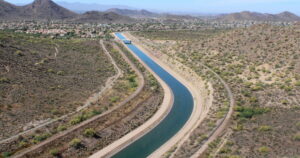
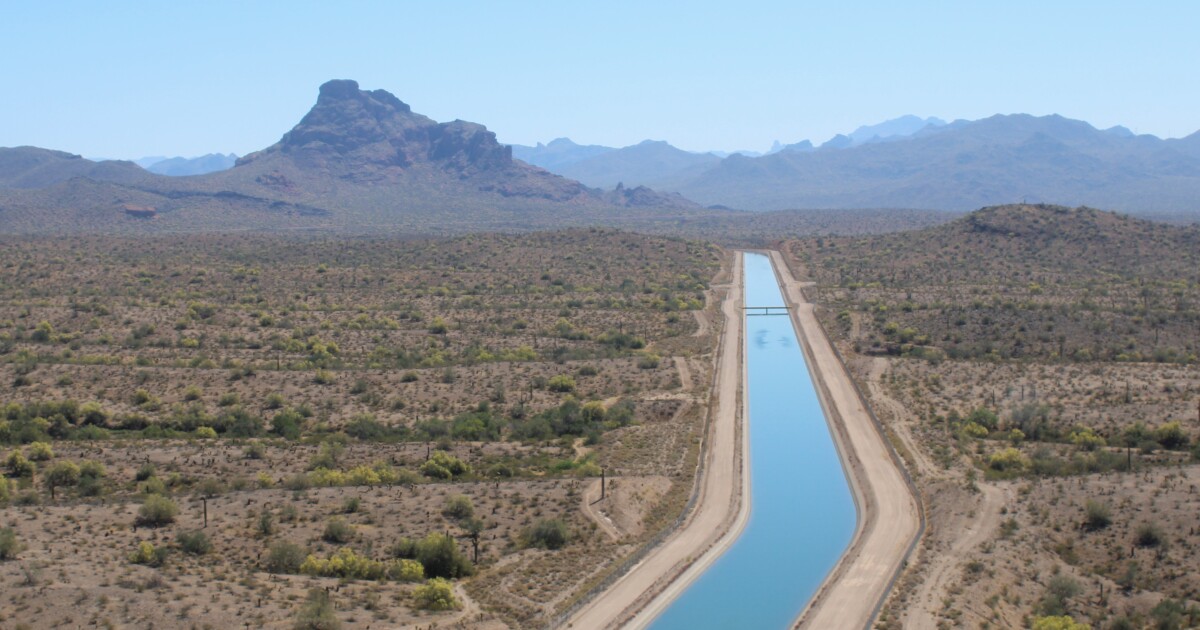
The specifics regarding which municipalities or agricultural areas will reduce water usage remain unclear, yet these voluntary reductions suggest states’ preference for self-determined cutbacks. Previously, the federal government proposed substantial mandatory reductions to the Central Arizona Project, impacting regions like Phoenix and Tucson. Arizona’s leaders opposed these measures, labeling them “devastating.”
This new proposal could alleviate Arizona from the harshest of those cuts while still safeguarding critical infrastructure and water reserves at Lake Powell and Lake Mead. The Central Arizona Project’s leadership has expressed support for the plan, referring to it as a “welcome lifeline and cause for hope.”
The urgency for a revised water management approach has intensified following a historically dry winter. Prior to this proposal, projections indicated that Lake Powell’s water levels could become critically low by summer, threatening hydropower production at Glen Canyon Dam and the reservoir’s capacity to supply water to the Colorado River.
Federal approval is required before the plan can be implemented. The proposal aims to prevent legal disputes among states, as Arizona, California, and Nevada have been at odds with their upstream counterparts—Colorado, Utah, Wyoming, and New Mexico. With negotiations having stalled and reservoirs depleting, states were on the brink of significant legal confrontations. The proposed water reductions could stabilize the river and its reservoirs long enough to avert such outcomes.
The Lower Basin states have framed their plan as a temporary measure to facilitate further negotiations for a lasting solution. Future discussions may involve a mediator, as suggested by Upper Basin states, to assist in bridging differences. “The Lower Basin states recognize the Upper Basin’s call for mediation and are open to that process,” stated leaders from Arizona, California, and Nevada in a press release.