As Arizona faces looming water cutbacks from the Colorado River, its chief water negotiator is diligently working to mitigate the potential impact on the state. The federal government is soon expected to unveil new regulations, prompting Arizona officials to push for a more favorable outcome.
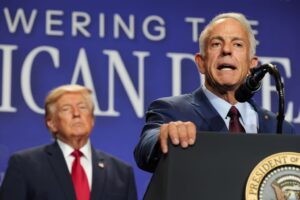
Tom Buschatzke, the head of the Arizona Department of Water Resources, has been actively engaging in negotiations and updating the public on how the state plans to cope with anticipated water reductions.
The seven states reliant on the Colorado River have struggled to reach a consensus on water management, leading to a stalemate that has persisted for over a year. Without an agreement, the federal government will implement its own directives once the current guidelines lapse later this year.
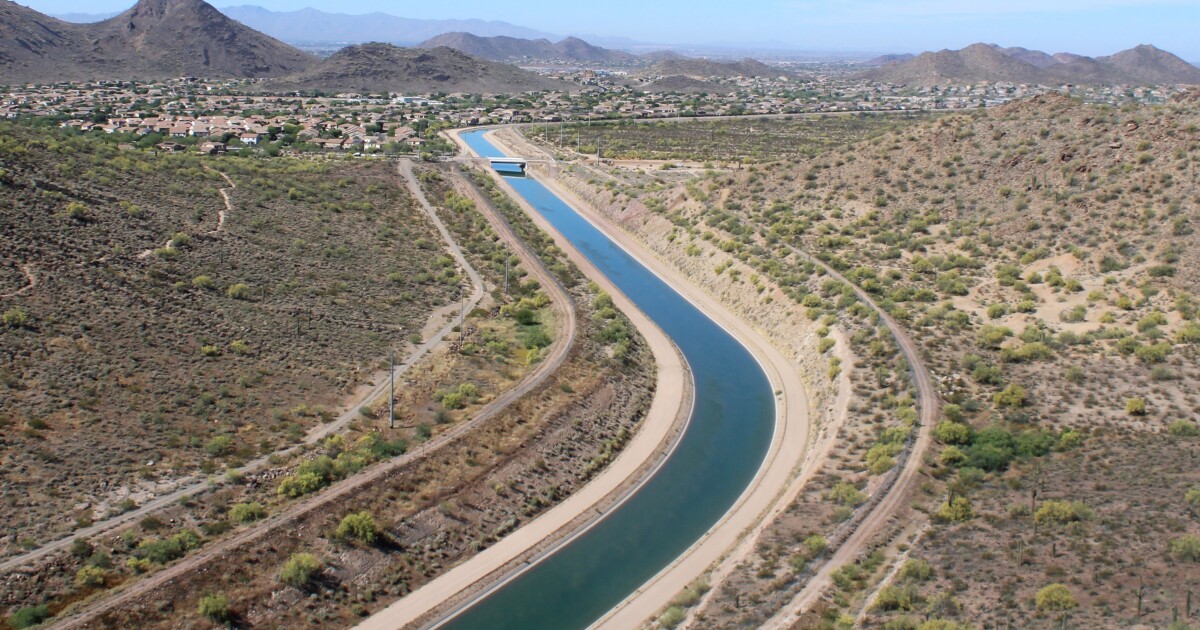
A preliminary version of these federal rules suggested severe reductions for the Central Arizona Project (CAP), which delivers Colorado River water to key urban areas like Phoenix and Tucson. Responding to this, the three Lower Basin states — Arizona, California, and Nevada — proposed voluntary reductions to sidestep more stringent federal mandates.
Buschatzke is now working to persuade federal authorities to accept this alternative plan. “Based on the meeting I had this morning with the Lower Basin states and the federal team, I think we’re getting closer to that adoption,” he stated, though he noted uncertainty about whether it will be adopted in a form that meets Arizona’s needs.
Buschatzke is also addressing concerns raised by upstream states—Colorado, Utah, Wyoming, and New Mexico—regarding the Lower Basin’s proposal. Patrick Dent, the assistant general manager of water policy at CAP, highlighted efforts to alleviate potential cutbacks. Under the plan, Arizona would see a 20% reduction in water for municipal and industrial use.
Efforts by CAP could potentially lower these cuts to 14% for 2027 and 2028 by utilizing wells in the Yuma area to supply water to Mexico, thereby freeing up water for Arizona’s municipalities.
Buschatzke remains optimistic about Arizona’s readiness for any eventuality. “Cities have been planning for the use of their water portfolios for many years,” he stated, emphasizing that each municipal provider will need to determine the best use of its resources in light of the anticipated cuts.
The degree of readiness differs across cities, with many in the Phoenix area having access to groundwater, the Salt River, or transfer agreements with neighboring areas. Future strategies might involve water recycling technologies or the use of desalinated ocean water.