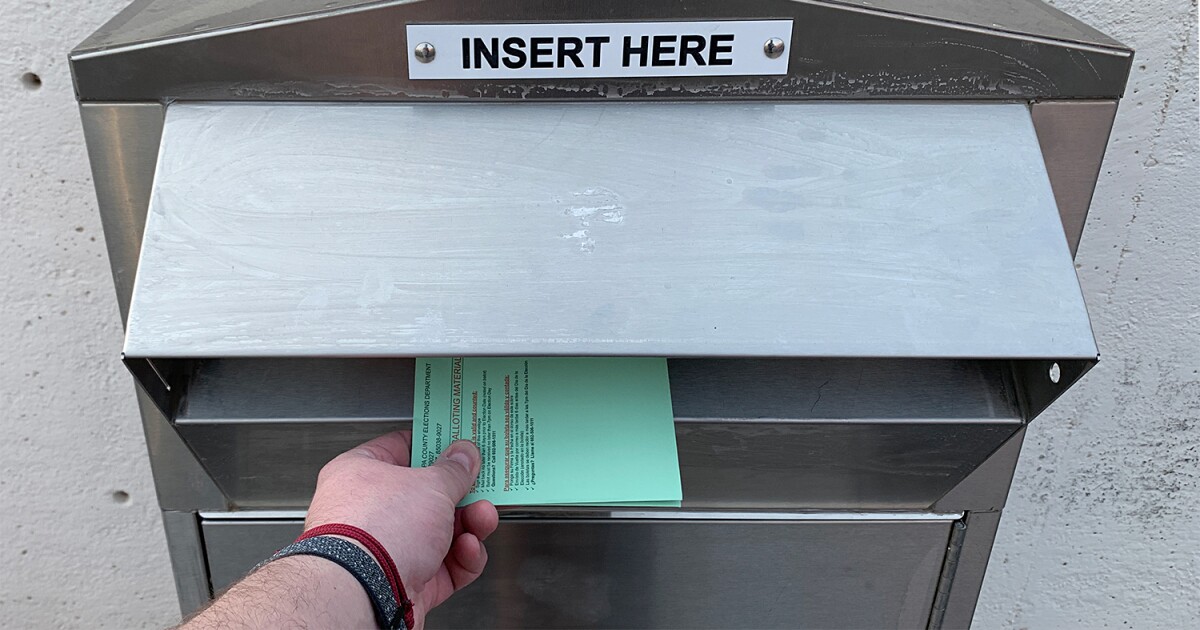
As Arizona navigates its electoral landscape, potential changes to the voting system are causing significant debate. While a proposal to constitutionally secure early and mail-in voting will not make it to the ballot, another controversial proposition aimed at altering the election process could still be in play.
The Protect the Vote Arizona initiative, spearheaded by Stacy Pearson of Lumen Strategies, aimed to put voting rights, particularly early and mail-in voting, to a public vote. Although the campaign gathered approximately 439,000 signatures, surpassing the required 383,923, normal petition errors are expected to reduce the valid count below the threshold. Consequently, organizers have chosen not to submit the petitions, fearing it would provide ammunition to “election-denying politicians” like Maricopa County Recorder Justin Heap.
Attention now shifts to a proposal by Scottsdale Republican Rep. Alexander Kolodin. His initiative, backed by the GOP-controlled legislature, seeks to amend the state constitution to include various election changes. This includes mandating valid government-issued ID for voting, a measure that raises concerns about its impact on the 80% of Arizonans who vote early by mail.
Gina Swoboda, an opponent of Kolodin’s proposal, argues, “There’s no specific language about how you’re supposed to comply with the requirement to provide ID with a mail ballot.” She further expressed concerns about maintaining ballot secrecy, stating, “I don’t want to put a Xerox of my ID in an envelope with a mail ballot.”
Legal efforts are underway to challenge Kolodin’s measure before it reaches voters. Tempe Councilman Randy Keating is leading a lawsuit arguing the proposal improperly combines too many unrelated issues. If the legal challenge fails, Pearson and her allies plan a vigorous campaign to defeat the measure at the polls.
Kolodin has used his proposal as part of his campaign for secretary of state, contrasting his efforts with those of Democrat Adrian Fontes and what he terms “the radical left.” Despite this, Swoboda believes voters should reject both Kolodin and his legislative proposal due to its vague ID requirements.
The debate over early voting traces back to 1991 when Arizona first permitted no-excuse early voting, a move that went uncontested until allegations of fraud in the 2020 election. These claims, while unproven, have fueled ongoing legal and political battles over voting methods, including a failed attempt by Kolodin to end early voting, which was dismissed by the Arizona Supreme Court.