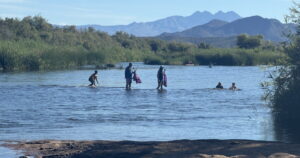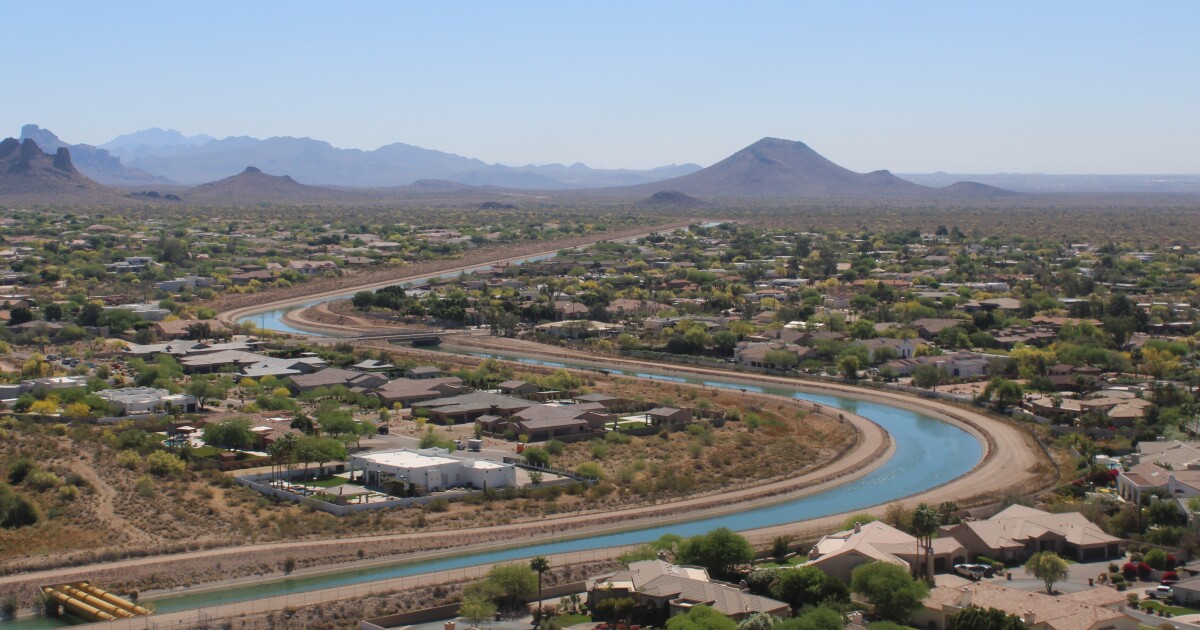
As states dependent on the Colorado River grapple with water scarcity, a novel approach is being suggested to resolve ongoing disputes: the introduction of a mediator. This proposal marks a potential shift in how states might navigate conflicts over the dwindling water resource.
The Upper Basin states—Colorado, Utah, Wyoming, and Utah—are advocating for resumed negotiations with a neutral facilitator after missing a mid-February deadline for a new water-sharing agreement. The urgency follows a prolonged drought and climate change impacts, which have severely reduced the river’s flow, sparking a contentious debate with Arizona, California, and Nevada over water usage reductions.
Becky Mitchell, Colorado’s chief water negotiator, commented to KJZZ, “I really would like to see the swords laid down. Particularly the threats of litigation. That creates a scenario where it’s really hard to be creative.”
Elizabeth Koebele, a water policy researcher at the University of Nevada, Reno, noted the potential benefits of a third-party mediator, acknowledging, “I’m glad to see the seven states, or at least the Upper Basin states, potentially moving in that direction.”
Without consensus, the federal government might impose its own plan, leading to significant cutbacks for Arizona, which water leaders have described as “devastating” source. Such a move could spark legal battles, potentially escalating to the Supreme Court. State officials express a preference for a diplomatic solution over litigation.
Mitchell stressed, “Unsettling litigation across the basin will not create more water or more certainty for anyone in any industry in any state. So this is really trying to see if we can break any of the deadlock, set aside the legal theories and try to find a way to get to a deal.”
The Upper Basin states have remained firm in their stance against compulsory water cuts, rooted in their interpretation of a 1922 legal document source. However, they are willing to set aside litigation strategies to foster agreement.
The Arizona Department of Water Resources did not provide a comment prior to publication. However, Arizona officials and their Lower Basin partners have previously expressed a preference for avoiding court battles source. Arizona’s lead water negotiator, Tom Buschatzke, indicated that the desire to sidestep litigation was a key motivator in multi-state discussions.
According to Koebele, several factors, including a looming deadline, a historically dry winter source, and potential legal threats from downstream states, are motivating the Upper Basin states to reassess their strategy and seek mediation.
Determining who will mediate the discussions remains uncertain. While the Upper Basin states suggest federal involvement, they prefer the mediator be selected collaboratively by all involved states. Koebele highlighted the challenge, noting that “every organization could be — whether or not they really are — sort of framed in a biased way,” complicating the selection of a trusted mediator.
As of now, no specific timeline for future meetings has been set. Mitchell mentioned that significant talks have not occurred since the missed February deadline.