In a significant legislative move, Kentucky’s Republican-dominated General Assembly has overridden a veto by Democratic Governor Andy Beshear. The new law potentially shields Bayer, a leading global agrochemical company, from state lawsuits accusing it of failing to warn users about cancer risks associated with its weedkiller. This decision comes just as the U.S. Supreme Court prepares to hear a pivotal case that could set a nationwide precedent on such liability lawsuits.
The legislative action in Kentucky aligns with Bayer’s broader legal battles, including a $7.25 billion proposed settlement in Missouri to address numerous claims that its Roundup weedkiller is linked to non-Hodgkin lymphoma. These legal maneuvers are critical for Bayer, a company already navigating the complex intersection of agriculture and pharmaceuticals, and facing divided opinions among political factions including supporters of former President Donald Trump and the Make America Healthy Again movement.
The Legal Challenges Surrounding Roundup
Roundup, introduced by Monsanto in 1974, quickly became a staple in agriculture due to its glyphosate-based formula. This product was designed for use with genetically modified seeds that could withstand the herbicide, thus enhancing crop yield while reducing soil disturbance. However, since Bayer’s acquisition of Monsanto in 2018, the company has been inundated with nearly 200,000 claims alleging that glyphosate in Roundup causes cancer.
Bayer disputes these claims, highlighting the U.S. Environmental Protection Agency’s stance that glyphosate is unlikely to be carcinogenic when used as directed. Despite this, the company has removed glyphosate from its residential products in response to mounting legal pressures.
State-Level Legal Protections for Bayer
Central to the lawsuits is the accusation that Monsanto, now owned by Bayer, failed to adequately warn consumers about the potential cancer risks of Roundup. To counteract these claims, Bayer and a coalition known as the Modern Ag Alliance have advocated for legislation in various states that considers a federally approved pesticide label sufficient for consumer warnings.
Following North Dakota and Georgia, Kentucky has now adopted this legal shield after overriding Governor Beshear’s veto. Elizabeth Burns-Thompson of the Modern Ag Alliance supported the move, stating, “Farmers need clear, consistent rules to plan for the future and keep their operations profitable.” In contrast, Governor Beshear criticized the legislation for potentially allowing dangerous chemicals to be sold without adequate warnings, which he argued undermines public health efforts.
National Implications of the Supreme Court Case
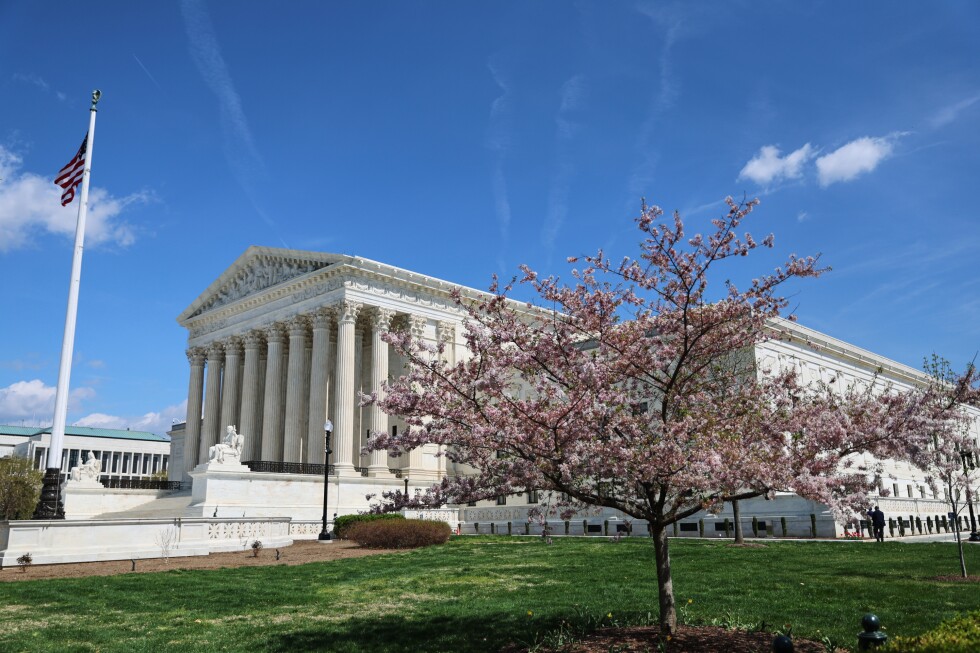
The Supreme Court is set to deliberate on a case from Missouri where Monsanto was held liable for not warning about cancer risks, resulting in a $1.25 million award to a man who developed non-Hodgkin lymphoma. Bayer argues that federal pesticide regulations should override state-level failure-to-warn claims since additional labeling requirements are preempted.
The case has attracted widespread attention, with various stakeholders including agricultural groups, health organizations, and former EPA officials filing numerous briefs. These stakeholders have presented arguments both for and against Bayer’s assertion of federal legal protection, highlighting the complex legal landscape surrounding Roundup.
Potential Settlement to Resolve Ongoing Claims
In Missouri, a proposed settlement has received preliminary approval, potentially resolving numerous pending and future claims against Bayer. The settlement involves Bayer making annual payments into a fund over 21 years, totaling up to $7.25 billion. Individual compensation would be based on factors such as the intensity of Roundup exposure and the severity of the illness.
The proposed settlement offers a way to mitigate financial risks for both claimants and Bayer, providing claimants with financial assurances regardless of the Supreme Court’s eventual decision. For Bayer, this could mean avoiding larger financial liabilities if the court rules unfavorably.