Lake Mead Reaches Historic Low as Colorado River Drought Intensifies
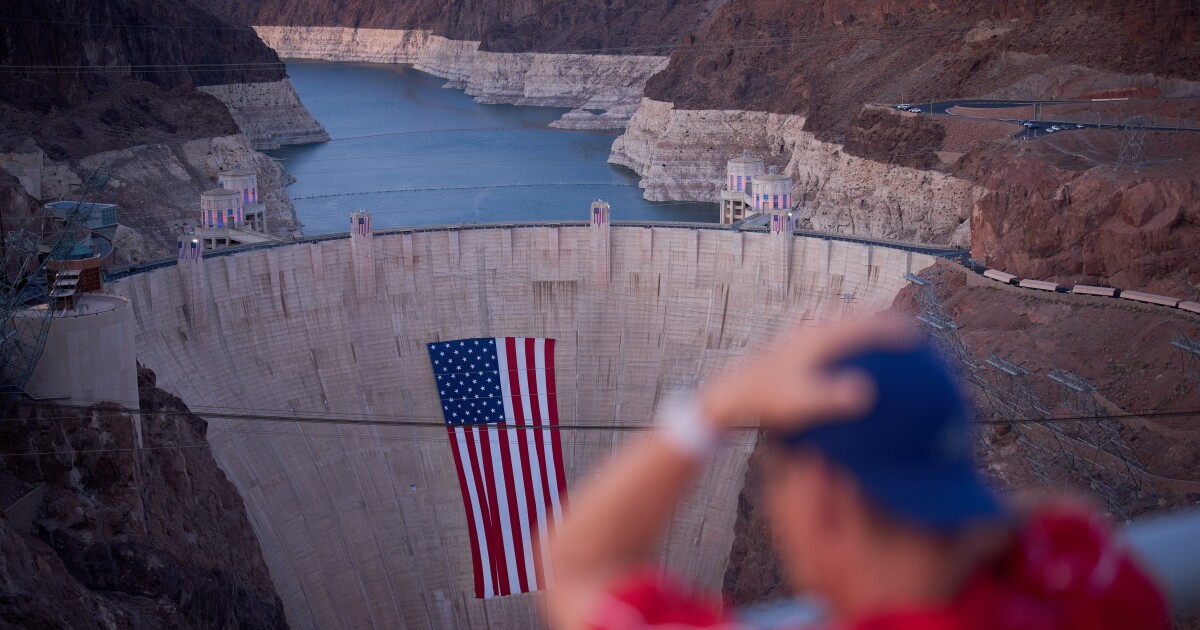
In an alarming indication of ongoing water scarcity in the Western United States, Lake Mead has descended to its lowest water level since its formation nearly 90 years ago. This significant decline underscores the severity of the drought affecting the Colorado River, a vital water source for millions.
According to federal data, the reservoir, situated on the border between Arizona and Nevada near Las Vegas, recorded a water level of 1,040.4 feet above sea level last Friday. This level is slightly below the previous record set in July 2022, as per the U.S. Bureau of Reclamation.
J.B. Hamby, chairman of the Colorado River Board of California and a board member of the Imperial Irrigation District, highlighted the critical nature of the situation. “It’s extremely significant and extremely concerning. You have three-quarters of the population of the Colorado River Basin, some 30 million people, who are directly impacted by risks to Lake Mead,” Hamby stated. He emphasized the urgent need for states using Colorado River water to reduce consumption.
The drought and dry conditions have been pervasive along the Colorado River, particularly severe at its origin in the Rocky Mountains. The previous winter saw the worst snowpack on record for the basin, further exacerbating pressure on various sectors, including agriculture, industry, wildlife, and hydropower, as well as the 40 million individuals across seven U.S. states, tribal nations, and Mexico who depend on its water.
Years of overuse, coupled with ongoing drought and increasing temperatures, have led to the depletion of both Lake Mead and Lake Powell, the second-largest reservoir in the country. Both lakes have reached their lowest levels in nearly seven decades.
To maintain the system’s capacity to produce hydropower, federal authorities have decided not to release cool water from Lake Powell’s Glen Canyon Dam in northern Arizona, despite the potential threat to the humpback chub, a native fish species living between the reservoirs.
Federal officials have introduced a short-term strategy to prevent further crisis, following the inability of Colorado River-dependent states to agree on long-term resource management. The Bureau of Reclamation’s plan suggests that the Lower Basin states of Arizona, California, and Nevada reduce their water intake. The plan offers flexibility, allowing for deeper cuts during drier periods, while states work towards a collective management solution.
The Interior Department has announced forthcoming details regarding water-sharing plans, which are expected to impose significant reductions on cities like Phoenix and areas in central Arizona.
Severe drought conditions in 2022 at Lake Mead, held back by Hoover Dam, revealed human remains and forced Las Vegas water officials to extract water from deeper in the reservoir to supply millions. Meanwhile, Lake Powell’s dropping levels have complicated access, necessitating the relocation, closure, or construction of new boat ramps.
Lake Mead and Lake Powell’s struggles are shared by other reservoirs. Of the 54 Western reservoirs monitored by the Bureau of Reclamation, nine recently hit their lowest points in three decades. Current federal models suggest that Lake Mead will continue to decline throughout the year.
Associated Press writer Michael Phillis in Washington contributed.