COVID-19 Vaccines: Rising Costs and Growing Cases in Arizona
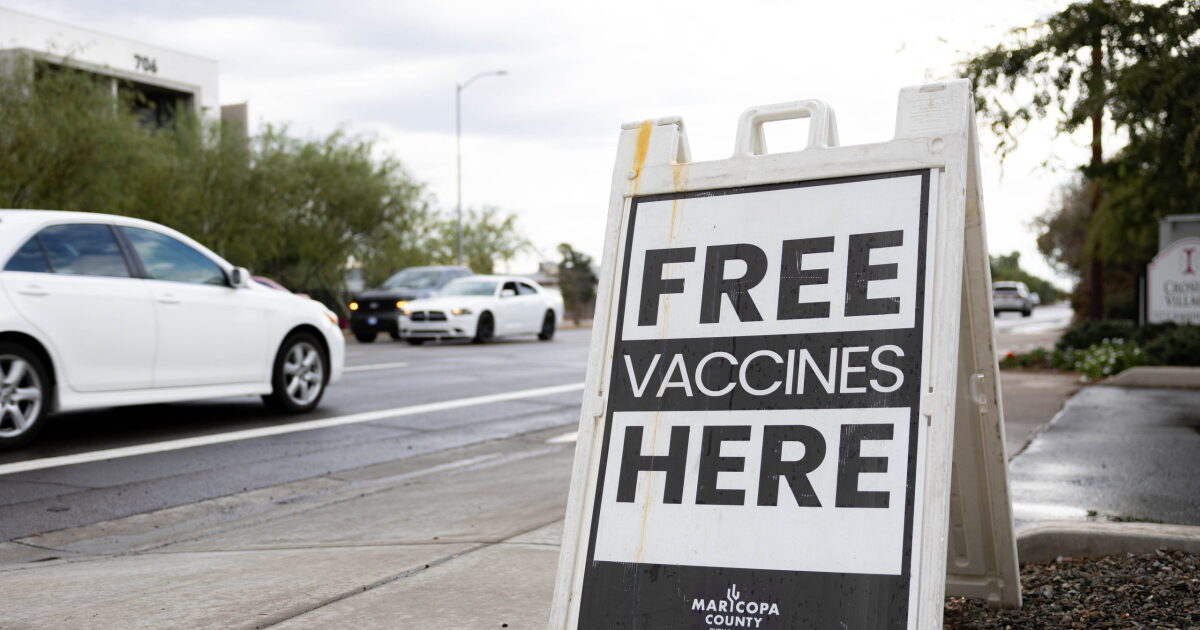
The arrival of the cold and flu season once again brings the issue of COVID-19 vaccinations to the forefront. Six years after the World Health Organization declared COVID-19 a pandemic, medical professionals continue to recommend vaccines, especially for individuals with preexisting conditions or those who remain unvaccinated. However, obtaining a vaccine now could cost between $100 to $300 for those without health insurance, a stark contrast to the pandemic years when vaccines were free.
The Centers for Disease Control and Prevention (CDC) noted that COVID-19 cases in Arizona are on the rise as of November 12. Dr. Frank LoVecchio, an emergency physician at Valleywise Health, highlighted an increase in COVID cases, albeit lower than flu and RSV cases. He emphasized the importance of seasonal vaccines, which are updated to combat new COVID strains and subvariants.
Recently, the Arizona Department of Health Services reported a 40% increase in flu cases for the week ending November 7. While COVID case estimates exist, their accuracy is compromised due to reporting regulations. Maricopa County maintains a COVID-19 dashboard, showing 471 cases for the week ending November 7, compared to 1,584 cases the previous year, both significantly lower than the five-season average of 17,131 cases.
Will Humble, executive director of the Arizona Public Health Association, pointed out that the difficulty in acquiring precise COVID data stems from the lack of mandatory reporting by the Arizona Department of Health Services. Despite this, Humble advocates for annual vaccinations for both COVID and the flu.
In 2025, the Arizona Administrative Code was revised to relieve healthcare providers from reporting COVID-19 diagnoses, though laboratories still report positive test results. Dr. LoVecchio stressed the significance of vaccinations for high-risk groups, stating, “People who need it most are those who are older, have chronic diseases, or (a) weakened immune system,” and adding that vaccination can prevent severe outcomes like hospitalization and death.
For uninsured individuals, the financial burden of vaccination is notable. Flu shots may range from $20 to $100, while COVID vaccinations can cost from $100 to $300. Until August 2024, COVID vaccines were free to all Americans due to the CDC’s Bridge Access Program, which ended prematurely due to budget cuts.
Humble explained that the vaccine cost for uninsured individuals includes both the vaccine and an administration fee. Providers like Costco, Safeway, Walgreens, and CVS receive manufacturer discounts, affecting the fee charged. Without Affordable Care Act regulation, costs can reach up to $300.
For those without insurance, Humble suggests community health centers as a viable option. Centers such as Valleywise Community Health Centers and the Maricopa County Public Health Clinic offer a sliding fee scale based on income, ensuring affordable healthcare services without high administration fees.
This article first appeared on Cronkite News and is republished here under a Creative Commons Attribution-NoDerivatives 4.0 International License.