South African Land Expropriation Law Faces Legal Challenge
In a significant legal development, South Africa’s contentious land expropriation law is under scrutiny as a court case commenced this week. This legislation, which has sparked international debate and affected diplomatic relations with the United States, faces its first judicial examination.
Enacted by President Cyril Ramaphosa, the Expropriation Act aims to redress historical injustices of land dispossession and economic disparity stemming from the apartheid era that ended in 1994. However, the law has been criticized by former U.S. President Donald Trump, who contended that it unfairly targets white farmers, leading to the withdrawal of financial aid and the imposition of increased trade tariffs on South Africa by the U.S.
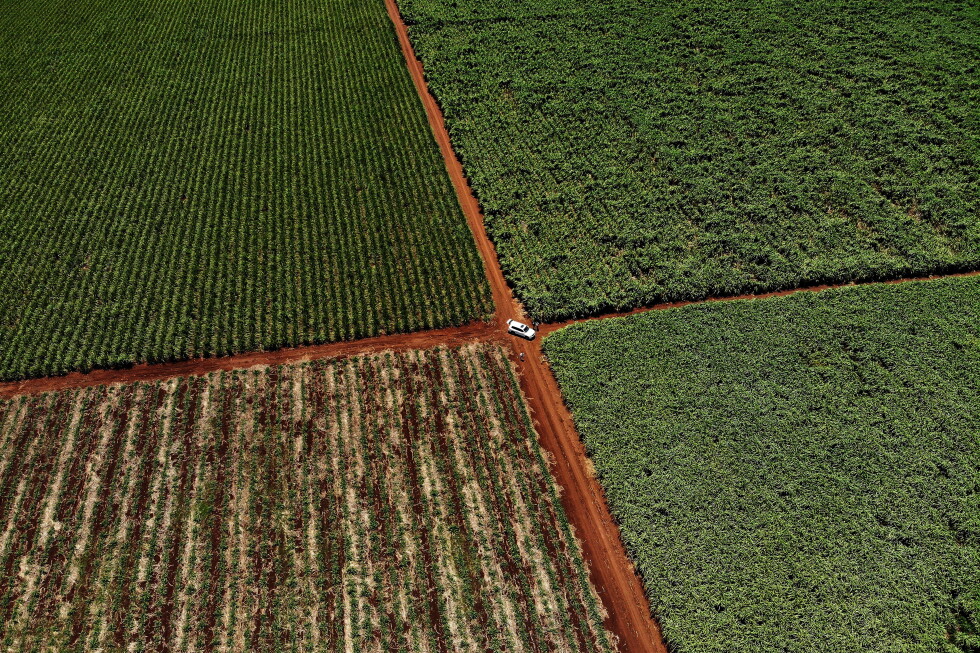
In response, the South African government argues that the law is intended to make idle land productive and is not designed to arbitrarily seize property. The law permits the government to expropriate land in the public interest, potentially without compensation if fair negotiation attempts fail.
The Democratic Alliance, a key political entity in South Africa’s unity government, has allied with several lobby groups to contest the law in the Western Cape High Court. The groups’ legal representatives claim that the legislation contravenes the constitutional safeguards for private ownership and the prohibition against uncompensated land expropriation.
The legal proceedings are expected to continue throughout the week, though a final judgment may take several weeks or months to be delivered.
Among the law’s opponents is the Institute for Race Relations, which argues that the legislation inadequately safeguards property rights. Another notable opponent is the Afrikaner advocacy group AfriForum. Afrikaner farmers, descendants of European settlers, have been offered asylum by the Trump administration, citing persecution concerns.