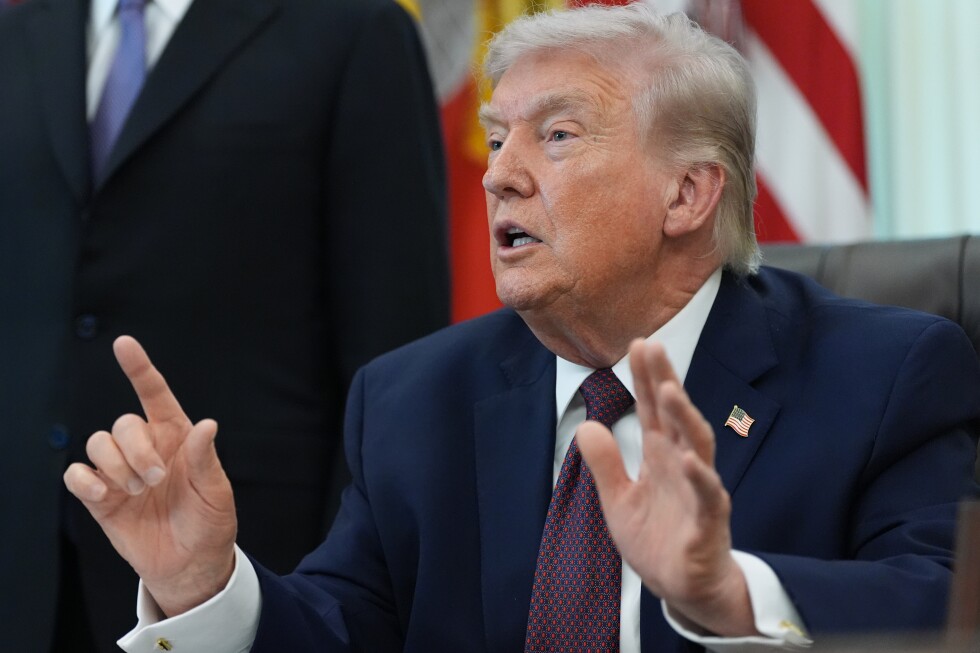
President Donald Trump has enacted a new executive order that could significantly impact the pharmaceutical industry. By the terms of this order, some patented drugs may face tariffs of up to 100% if companies fail to secure agreements with the administration in the coming months.
Pharmaceutical companies entering into “most favored nation” pricing agreements and establishing U.S. production facilities will enjoy a 0% tariff. Firms that begin such projects without a pricing agreement will initially face a 20% tariff, which could surge to 100% within four years.
According to a senior administration official, larger companies have 120 days to negotiate before tariffs take effect, while smaller companies have 180 days. Although the official, who spoke on condition of anonymity, did not specify which drugs or companies might be affected, they mentioned that the administration has already finalized 17 pricing agreements with leading drug manufacturers, 13 of which have been signed.
Trump’s order suggests the tariffs are necessary to counteract threats to national security from pharmaceutical imports. This initiative coincides with the anniversary of Trump’s “Liberation Day,” which introduced broad import tariffs that were later overturned by the Supreme Court in February.
Critics of the tariffs warn of potential repercussions. Stephen J. Ubl, CEO of the trade group PhRMA, cautioned that such taxes could elevate costs and jeopardize billions in U.S. investments, noting that many medicines imported to the U.S. come from dependable allies.
Throughout his term, Trump has frequently proposed high tariffs on foreign pharmaceuticals, using these threats to negotiate agreements with major firms such as Pfizer, Eli Lilly, and Bristol Myers Squibb to lower new drug prices.
In addition to company-specific tariffs, the U.S. has entered into trade agreements with several nations to cap drug tariffs. The EU, Japan, Korea, and Switzerland will face a 15% tariff on patented drugs, while the U.K. will start at 10%, eventually reducing to 0% under future agreements.
Trump Updates Metal Tariffs
On the same day, Trump announced changes to tariffs on imported metals such as steel, aluminum, and copper, which will now be based on the full customs value. Products made entirely of these metals will continue to be taxed at 50% for most countries, but tariffs for derivative metals will depend on their metal content.
For items with less than 15% metal content, only country-specific tariffs will apply. In contrast, products with a higher metal percentage will incur a 25% tariff on the entire value.
Expansion of Sectoral Taxes
The new orders exemplify Trump’s strategy of imposing sectoral duties under the 1962 Trade Expansion Act, similar to tariffs on cars and kitchen cabinets. Although the Supreme Court recently invalidated another set of tariffs under different legislation, Trump maintains various options to enforce import taxes.
In the wake of the court’s decision, Trump imposed a temporary 10% tariff on all imports, which can only remain for up to 150 days. This move has already faced legal challenges from multiple states.
Trump justifies his tariff policies by asserting they are essential to reclaim wealth he claims was “stolen” from the U.S., aiming to reduce the trade deficit and revitalize domestic manufacturing. However, the global supply chain disruptions have posed challenges for businesses and consumers coping with rising costs.