U.S. Eases Sanctions on Venezuela’s Acting President Delcy Rodríguez
The United States has taken a significant step in its diplomatic relations with Venezuela by lifting sanctions on the country’s acting president, Delcy Rodríguez. This move, announced by the U.S. Treasury Department’s Office of Foreign Assets Control, comes after the arrest of her predecessor, Nicolás Maduro, and his wife in Caracas earlier this year.
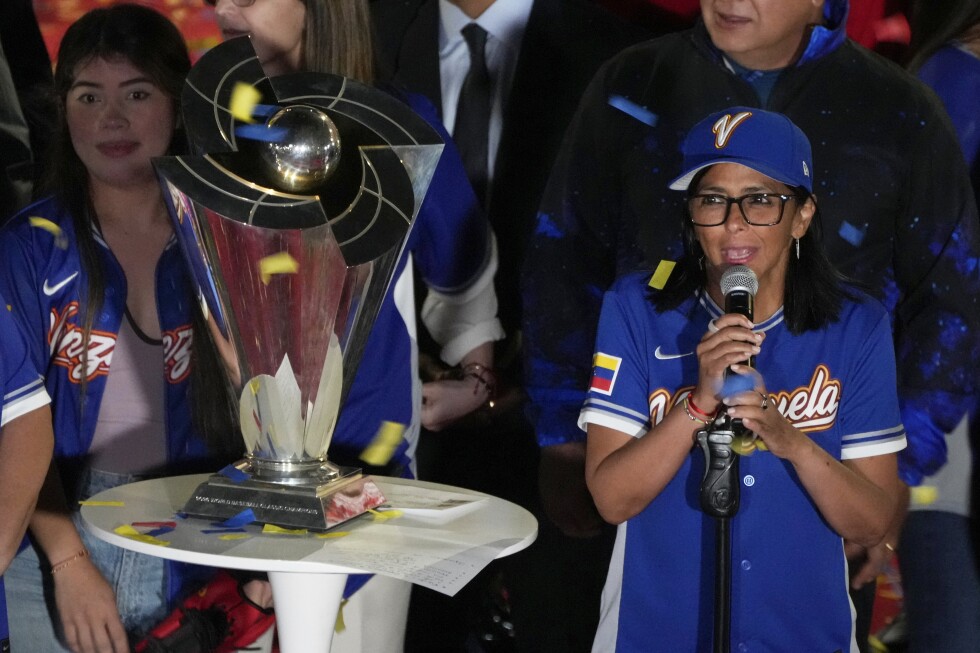
Rodríguez, now recognized by the U.S. as a legitimate authority, expressed optimism about the future relationship between the two nations. “We value President Donald Trump’s decision as a step toward normalizing and strengthening relations between our countries,” she stated on her Telegram channel. She hopes this action will lead to the removal of further sanctions, paving the way for effective bilateral cooperation.
Previously, Rodríguez and her brother, Jorge Rodríguez, faced U.S. sanctions due to their alleged roles in undermining Venezuelan democracy. These sanctions were initially imposed during Trump’s first term, following a controversial election where opposition parties were barred from participating.
The current administration has chosen to engage with Rodríguez, bypassing Venezuela’s political opposition. Her leadership has been pivotal in Venezuela’s collaboration with the U.S. administration’s strategy to revitalize the country. Under her guidance, Venezuela has opened its doors to international investors and scrutiny, particularly in its lucrative oil sector.
In March, the U.S. relaxed restrictions on Venezuela’s oil industry, allowing state-owned Petróleos de Venezuela S.A. (PDVSA) to sell oil to U.S. companies and on the global market. This marks a notable shift from previous policies that largely restricted dealings with Venezuela’s government and its oil industry.
Despite these developments, Maduro remains the lawful president of Venezuela. However, after his detention, the nation’s high court declared his absence “temporary,” allowing Rodríguez to assume office for up to 90 days, with the possibility of extending it to six months upon approval by the National Assembly, led by her brother. This 90-day period is set to conclude on Friday.