The Legacy and Future of Copper Mining in Arizona
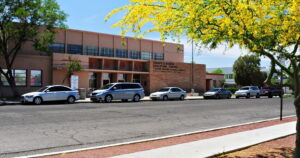
Arizona’s history with copper mining stretches back to the 1860s, even before it became a state. This legacy is most evident in the town of San Manuel, located about an hour from Tucson, where copper mining was the town’s raison d’être. Established by the Magma Copper Company in 1953, San Manuel has a rich mining heritage preserved by locals like David Prough at the San Manuel Historical Museum.
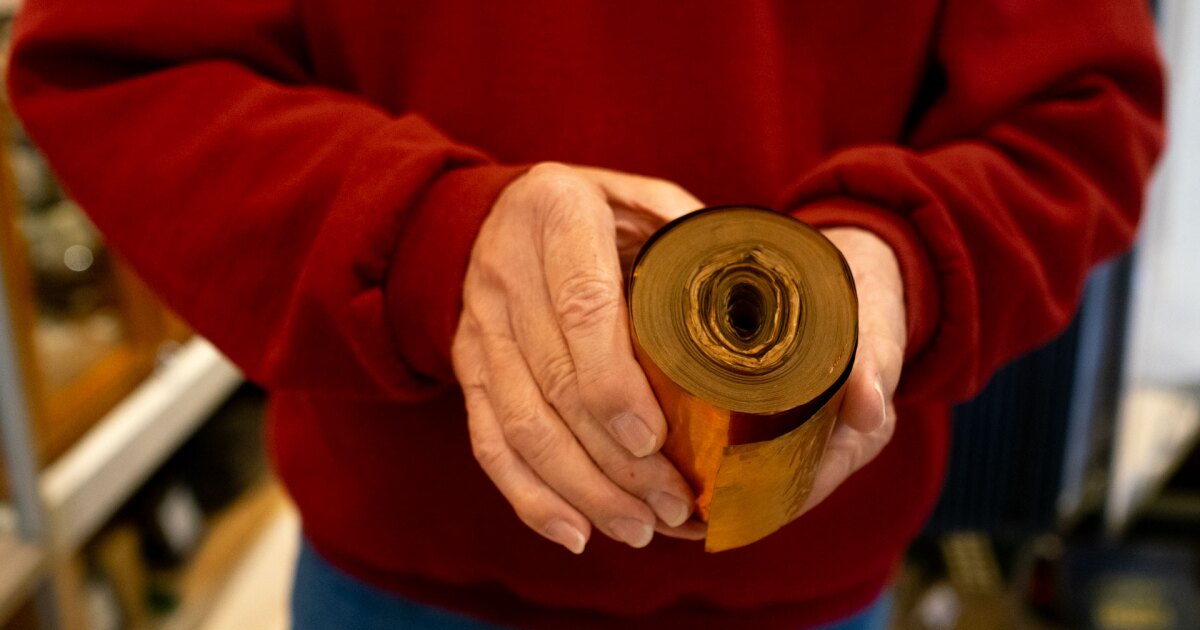
The museum showcases the town’s mining past with displays of copper, metal lunch boxes, and black-and-white photos of original town blueprints. “If you move here, it’s a mining community. It’s no secret,” Prough remarked, highlighting the town’s deep ties to its mining roots. In its heyday, San Manuel boasted amenities like a bowling alley, theater, drive-in, and multiple banks, all fueled by copper’s prosperity.
However, the town’s fortunes changed when the mine was sold to BHP and closed in 1999 due to a dip in copper prices. Laurie Smalla, a resident and volunteer with the San Manuel Revitalization Coalition, reflected on the transition, noting, “The copper mine built this town… But then copper is also what destroyed this town isn’t it?” With affordable homes and scenic views, the town still attracts retirees and young families, though many residents now commute for work.
Arizona remains a copper powerhouse, producing more than 60% of the U.S. supply, as reported by the Arizona Geological Survey. While manufacturing and healthcare have overtaken mining as the state’s leading industries, over 14,000 people are still employed in mining, with numerous projects underway.
Exploration in the Galiuro Mountains
The Galiuro mountain range, part of Arizona’s Copper Corridor, is home to both historical and ongoing mining activities. Conservation advocate Russ McSpadden is closely monitoring exploratory drilling by Faraday Copper in the area. He raises environmental concerns, particularly regarding the potential impact on water resources, noting, “It should be the five C’s and W, because water is essential to all of those.”
Faraday Copper’s exploration involves minimal land disturbance, according to Stacey Pavlova, the company’s VP of investor relations. They plan to employ more than 500 people if the project progresses to full mining operations. However, McSpadden warns of potential groundwater depletion, emphasizing the critical need for water management.
Challenges of Modern Copper Mining
Steven Emerman, a geology professor and consultant, highlights the declining quality of copper ores. The average ore grade has dropped from 25% in the 1850s to less than 1% today, leading to increased waste and water usage. The University of Arizona’s economic report identifies copper as a key export, though the environmental costs are significant.
As Arizona communities grapple with these challenges, Laurie Smalla believes locals are open to new opportunities, including mining, but are cautious. “Nobody wants it in their backyard, but yet none of us can live without copper,” she said, indicating a community ready to shape its future.