The intricate web of negotiations between NATO and the United States over a major defense contract has unraveled, revealing complexities beyond monetary disagreements. The decision to abandon plans for a new fleet of aircraft highlights broader geopolitical and industrial implications.
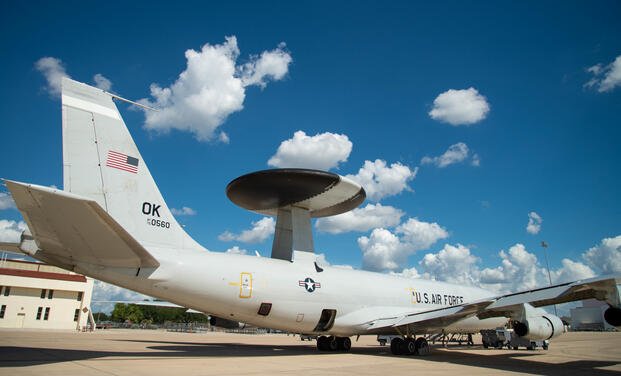
Last November, a significant shift occurred when European allies, led by the Netherlands, opted out of a proposed multi-billion-euro deal to acquire six Boeing E-7A Wedgetail aircraft. This initiative was intended to replace NATO’s aging E-3A AWACS fleet, currently stationed in Germany. Dutch State Defense Secretary Gijs Tuinman emphasized the move towards European self-reliance, stating, “The U.S. withdrawal also demonstrates the importance of investing as much as possible in European industry.”
The U.S. exit from this collaborative effort was influenced by concerns over production delays and increased costs, with the price per aircraft rising from $588 million to $724 million. These factors, combined with doubts about the E-7’s efficacy in challenging environments, led to the Pentagon’s withdrawal in July 2025, a decision that complicated future plans for NATO.
Behind-The-Scenes Process
A request for information (RFI) was dispatched to Boeing and L3, two American aerospace firms, as revealed by a former NATO official. This detailed, non-binding inquiry was sent in late December, with a response deadline by the end of January, not accounting for the holiday season.
The RFI process, notably excluding other potential vendors like Saab, has sparked debate. Saab’s CEO, Micael Johansson, advocated for the Swedish firm’s GlobalEye aircraft, suggesting it could adequately fulfill NATO’s needs.
“Saab has provided information to NSPA regarding GlobalEye, which we believe is a great match for NATO’s requirements for airborne early warning and control capability,” a Saab representative informed Military.com. Despite this, NATO’s procurement strategies remain opaque, with no comments from the NATO Support and Procurement Agency (NSPA).
NATO’s Clandestine Remarks
Military.com sought insights from NATO regarding the roles of Saab and Sweden in ongoing talks and the ramifications of the RFI process. Although NATO officials confirmed a reassessment of acquisition strategies, they withheld the RFI document, citing its non-public status.
In light of recent developments, participating nations have chosen to reexamine the acquisition strategy and review their options. This work is ongoing and will follow NSPA’s procurement regulations. The document you are referring to is not releasable to the public. – a NATO official to Military.com
Comments from the Pentagon and Boeing were brief, with Boeing deferring to NATO’s decision-making process. Efforts to reach L3 for comment were unsuccessful.
Former AWACS Commander Chimes In
A former NATO AWACS commander, who preferred to remain anonymous, reflected on the procurement dynamics and the initial preference for Boeing’s E-7. The source noted the financial and logistical challenges of aligning multiple nations to fund and support such a large-scale defense project.
The former commander highlighted the complexities of multinational funding and logistics, noting that economic and geopolitical factors play significant roles in such defense contracts. The U.S. decision to withdraw, while not surprising, has further complicated NATO’s defense planning.