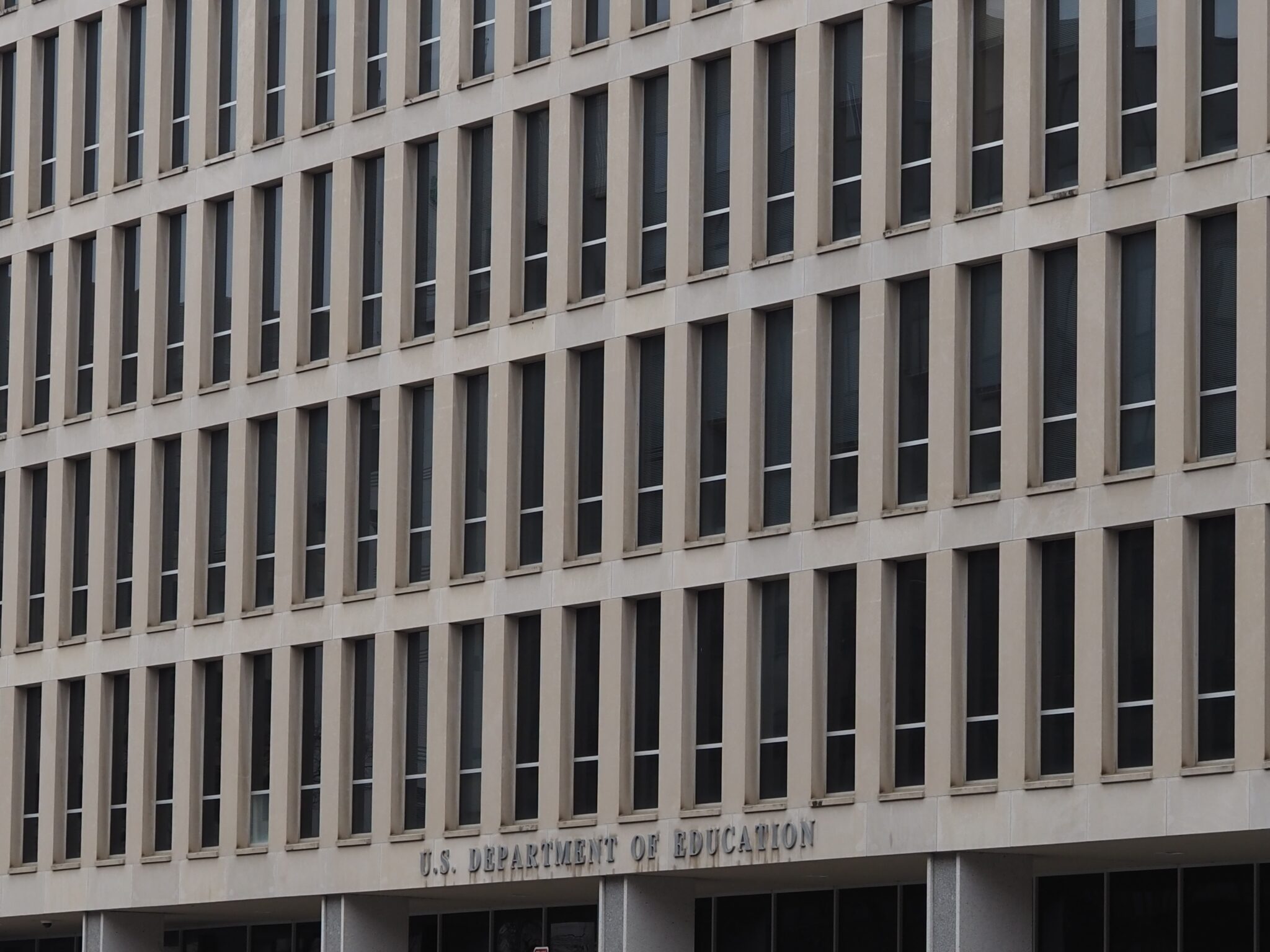
Amidst a tumultuous backdrop of administrative changes, the U.S. Department of Education has been at the center of significant staffing upheavals. One year after the initiation of mass layoffs by the Department of Education, spearheaded by President Donald Trump’s administration, concerns continue to mount regarding their impact on national education oversight and student welfare.
The effort to significantly reduce the department’s size aligns with Trump’s broader agenda to decentralize education management, returning control to individual states. However, a recent report from the Government Accountability Office (GAO) reveals the repercussions of these staffing cuts, particularly on student loan oversight.
At a press conference outside the U.S. Capitol, Hawaii Senator Mazie Hirono, along with Democratic colleagues Senators Dick Durbin and Chris Van Hollen, highlighted the adverse effects of these layoffs on students and families nationwide. The U.S. Supreme Court had previously allowed these layoffs to proceed, endorsing Trump’s executive order to downsize the department.
Rachel Gittleman, president of the American Federation of Government Employees Local 252, criticized the administration’s actions, stating that the administration “has shown it will stop at nothing, even ignoring court orders and violating federal law to dismantle the department and sow chaos for students, families, communities and my coworkers.”
Impact on Student Loans
The GAO’s findings indicate a profound impact on the department’s capacity to manage student loans. In early 2025, the Federal Student Aid (FSA) unit ceased assessing the accuracy and call quality of student loan servicers due to staff shortages. Between January and December, FSA experienced a reduction of 656 staff members, compromising its ability to ensure servicer performance and borrower information accuracy.
Challenges in Civil Rights
Another GAO report highlighted the financial burden and inefficacies within the Office for Civil Rights (OCR) resulting from the layoffs. During the legal disputes, hundreds of OCR employees were placed on paid administrative leave, costing the department between $28.5 million and $38 million. Despite resolving over 7,000 discrimination complaints, 90% were dismissed, raising concerns about the handling of civil rights issues.
Senator Van Hollen criticized the administration’s approach, emphasizing the misuse of taxpayer funds and the undermining of civil rights protections.
Interagency Agreements
The administration’s strategy to delegate the department’s responsibilities through interagency agreements has faced resistance. Responsibilities were shifted to other departments such as Labor, Health and Human Services, Interior, and State. While the department asserts it will uphold all statutory duties, critics argue these shifts jeopardize program efficacy. Senator Hirono warned, “Trump is setting these programs up to fail,” by reallocating them to less experienced departments.
Funding Controversy
Despite the administration’s downsizing efforts, Congress has countered with an increase in the department’s budget. Earlier this year, Congress rejected Trump’s proposal to slash funding, instead approving a budget of $79 billion, exceeding the previous year by $217 million and surpassing Trump’s request by $12 billion. Although the budget doesn’t explicitly prevent the outsourcing of responsibilities, it mandates regular updates to lawmakers on the implementation of such agreements.
The Department of Education has yet to comment on these developments.