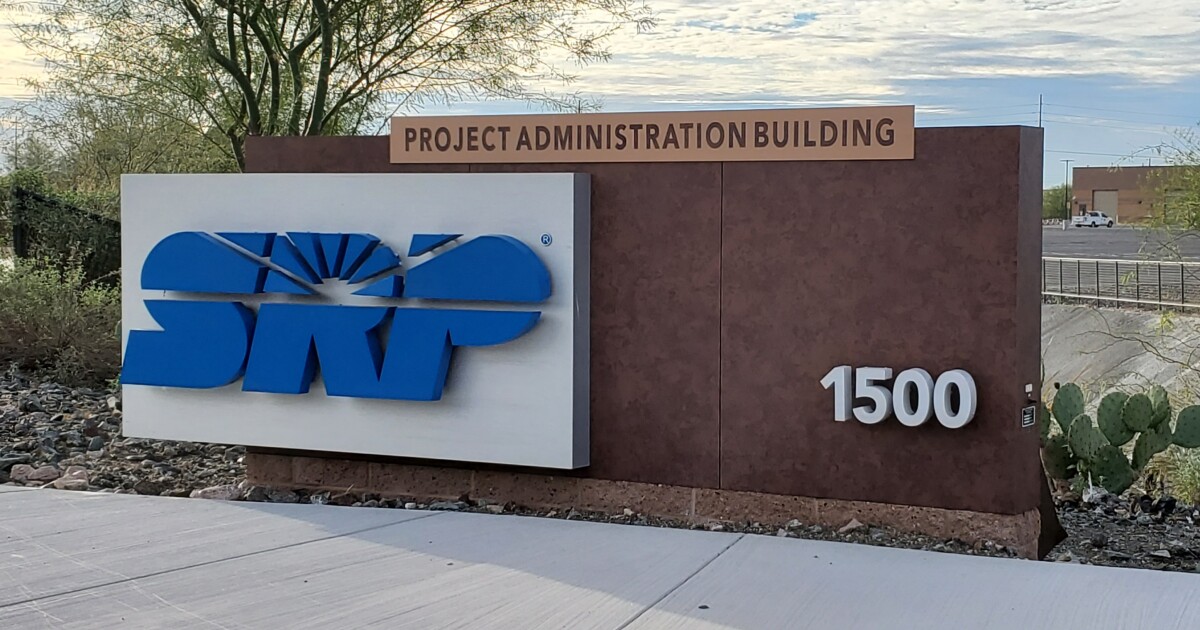
In a recent shakeup of the Salt River Project (SRP) district board, a clean-energy coalition’s narrow control has been disrupted. This shift follows the appointment of Maricopa County Supervisor Thomas Galvin, who was sworn in to fill a vacant board position.
Galvin steps in for Nick Brown, a solar advocate who was part of the clean-energy faction that secured a majority in the last election. This group had won an 8-6 advantage over candidates backed by Turning Point USA’s political branch during a notably high-turnout vote in April. For more details on the election, visit this link.
Brown’s recent resignation, citing a desire to spend more time with family, led to Galvin’s appointment. Read more on Brown’s resignation here.
Galvin’s Position and Board Dynamics
Galvin has distanced himself from both the Turning Point and clean-energy groups. In a social media post, he criticized Turning Point’s efforts, saying, “Complete botch job by Turning Point Action, losing majority of SRP board seats to leftists. This follows TP defeats in PA & WI Supreme Ct races. TP Action, wasting donor money, went to desperate move on ballot harvesting. Losing statewide races & now SRP board seats. Incompetents.” For the full post, visit this link.
Now, the SRP board stands evenly split at 7-7 between clean-energy members and others. Galvin has stated, “I’m not a part of any slate.”
The Clean-Energy Agenda
Key clean-energy board member Ken Clark emphasizes the affordability of renewable energy, particularly in light of the rising demand from data centers. “Clean energy is now the cheapest form of energy in the world. … Over the last seven, 10 years, you have data centers coming in and just forcing all of these utilities across the whole country to scramble and add more gas firming power when we could be asking data centers to carry more of their own weight,” Clark commented.
Galvin remains open to a diverse energy strategy, expressing support for solar, natural gas, nuclear, and other potential future technologies. He emphasized the importance of balancing utility management with ratepayer affordability.
Controversy Over Board Appointment
Clark expressed concerns over Galvin’s appointment, describing it as “felt very engineered.” The SRP district council, which ultimately chose Galvin, did not follow its 2012 guidelines for filling vacancies. These guidelines typically recommend appointing a councilmember from the district of the vacancy. Eric Gorsegner, the clean-energy slate’s preferred candidate and a member from the same district as Brown, lost to Galvin in a 15-13 vote.
Clark pointed out, “This was SRP District 7, and the members of District 7 said, ‘we want Eric Gorsegner to move up to the board,’ and in fact that precedent was used just a couple months ago for a vacancy replacement on the council, but when it was not convenient, that precedent, those guidelines that were created in 2012, were just ignored. Because it’s about power.”