In a recent hearing, the Inter-American Commission on Human Rights placed the spotlight on the controversial deportation practices under the Trump administration, particularly focusing on the relocation of migrants and asylum seekers to countries not of their origin.
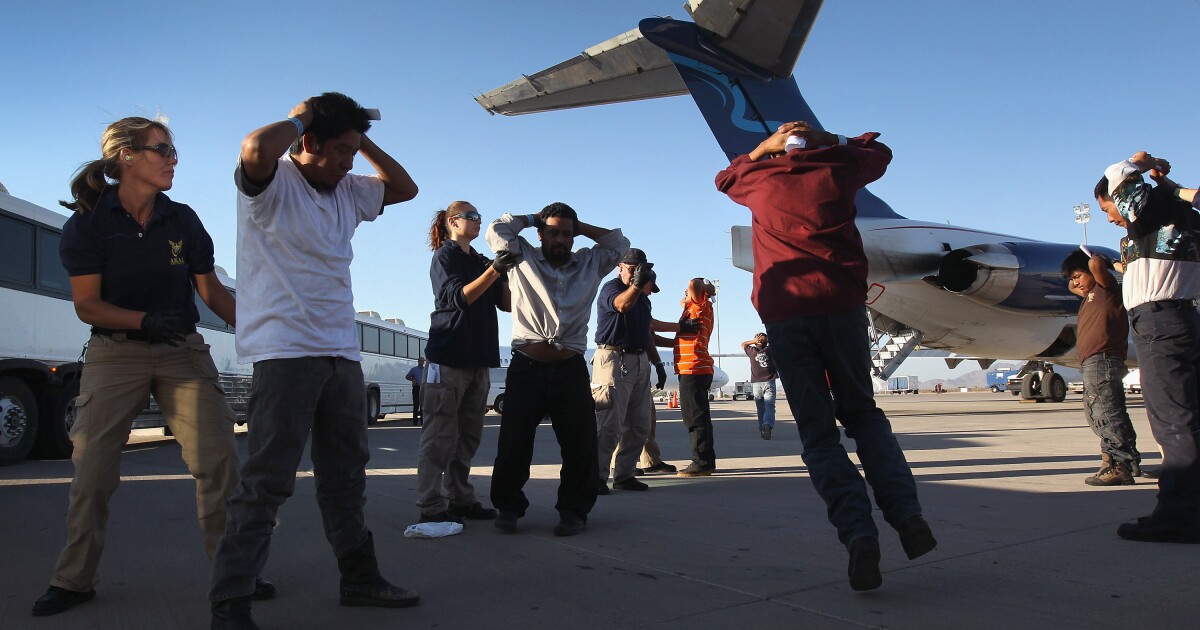
Taking place in Guatemala City, almost two dozen human rights organizations from across the globe convened to discuss these “third country deportations.” The U.S. has made agreements with nearly 30 nations to facilitate these deportations, raising significant human rights concerns.
Margaret Cargioli, directing attorney, policy, and advocacy at the Immigrant Defenders Law Center, highlighted the case of a Venezuelan man transferred to CECOT, a high-security prison in El Salvador. “We’re at the one year anniversary of that moment where we saw those men getting off the planes and it’s a time to really commemorate what happened to them,” Cargioli stated. “It’s important that the people who are being removed to these third countries are not silenced.”
Critics point out that the Trump administration employed a war-time authority to deport at least 240 Venezuelan men to CECOT without affording them due process last March. According to an analysis by the Cato Institute, a libertarian think-tank, nearly 85% of these individuals had no criminal convictions in the U.S. found.
Many of these men have since been returned to Venezuela, yet they were denied the opportunity to defend themselves legally in court, according to Cargioli.
In a significant legal development, a federal court in Boston ruled in February that the practice of transferring people to third countries without prior notice was unconstitutional. The administration has appealed this decision, and the legal battle continues.