Michigan Lawmakers Gear Up for Budget Battle Amid Partisan Divides
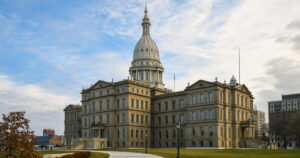
Last year’s budget battle in Lansing was a tedious process, but this year, lawmakers are facing a sprint with limited funds and a Legislature filled with election-focused candidates. The budget showdown is expected to be influenced by political motives as Michigan gears up for a crucial election season.
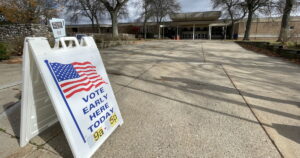
The House recently engaged in a contentious partisan clash as the Republican majority pushed through a bill requiring first-time voters to provide proof of citizenship like a birth certificate or passport. Democrats and voting rights groups raised concerns over the bill’s potential to create unnecessary hurdles for voters, while Republicans defended it as a measure to safeguard the integrity of elections.
Representative Bryan Posthumus highlighted that economic issues will take center stage, focusing on property taxes and housing expenses. With elections looming, lawmakers are aware that time is of the essence to address key matters before hitting the campaign trail.
However, the House minority leader, Representative Ranjeev Puri, expressed disappointment in the prevailing partisanship, emphasizing the need for bipartisan collaboration to achieve meaningful progress. Senate Democrats, led by Senator Sam Singh, are prioritizing legislation on affordability issues like auto insurance, housing, and healthcare.
2026 has seen sluggish legislative progress in Lansing, with only seven new public acts signed into law. Governor Gretchen Whitmer stressed the paramount importance of finalizing the budget promptly to avoid last year’s delays that left schools and local governments uncertain about funding until the eleventh hour.
As Michigan braces for a consequential election cycle, the focus remains on key races and legislative control. The upcoming months are critical for lawmakers to navigate the budget battle efficiently while also addressing pressing concerns that impact Michiganders on a daily basis.
In the realm of politics, relationships between opposing parties can be complex and nuanced. A recent article by Elaine Godfrey delves into Governor Gretchen Whitmer’s approach towards President Trump post-2024 election. While Whitmer, often known as “Big Gretch,” gained popularity for her resistance against Trump during the pandemic, she seemed to have taken a different stance in her second term by seeking collaboration with the former president.
Michigan Democrats are gearing up for their party’s endorsement convention, where candidates for key positions like Secretary of State and Attorney General will be endorsed. With term limits affecting top officials like Attorney General Dana Nessel and Secretary of State Jocelyn Benson, the convention holds significant weight in determining the future of these crucial positions.
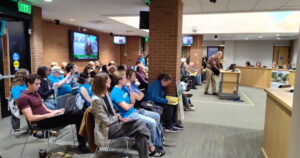
On the legislative front, a Michigan Senate committee recently heard testimonies regarding proposed legislation to curb public utilities from raising rates multiple times within a short span. Supporters of the bill argue that frequent rate hikes have led to a continuous rise in energy costs. While Michigan’s major utilities refrained from commenting during the hearing, DTE Energy expressed its commitment to balancing affordability and grid improvement.
As the political landscape in Michigan continues to evolve, these developments highlight the intricate dynamics at play within the state’s governance and decision-making processes. The upcoming convention and legislative discussions underscore the importance of strategic planning and collaboration in addressing key issues affecting Michigan residents.