The Texas Supreme Court has delivered a significant decision on a contentious political maneuver involving state lawmakers. On Friday, the court ruled against declaring that Democratic legislators, who left Texas in 2025 to prevent a vote on congressional voting maps favored by then-President Donald Trump, had vacated their positions.
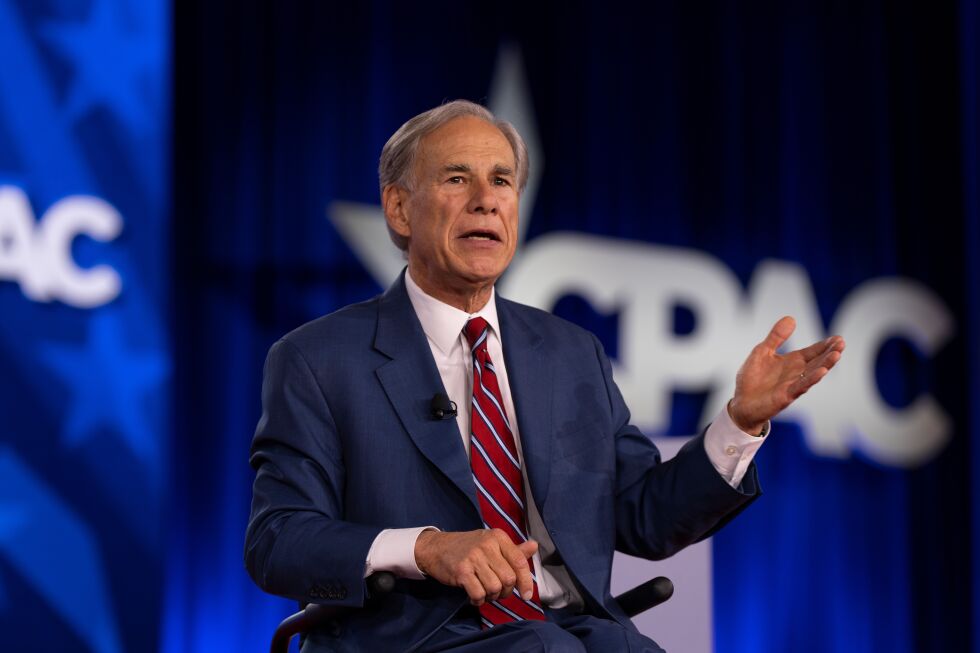
This ruling is a setback for Governor Greg Abbott and state Republicans who sought to impose severe repercussions on over 50 Democrats who temporarily relocated to New York, Illinois, and Massachusetts to disrupt a special session vote. The Republicans had threatened arrests and fines to compel the lawmakers’ return to the Capitol.
Governor Abbott’s lawsuit against the Democrats, led by state Representative Gene Wu, argued that they had effectively abandoned their duties. However, Wu countered that their actions represented a legitimate form of dissent rather than abandonment.
The court’s opinion, penned by Justice James Blacklock, highlighted that the issue was resolved politically without judicial intervention. Blacklock stated, “In the end, a quorum was restored in two weeks’ time, without judicial intervention, by the interplay of political and practical forces.” He further noted that courts traditionally avoid interfering in disputes between legislative and executive branches if those branches can resolve matters independently.
Justice Blacklock indicated that the court might reconsider its stance if similar incidents occur and the legislature cannot compel lawmakers’ return. Wu had previously commented on Abbott’s threats, asserting, “When Greg Abbott threatened to arrest and expel us for denying him a quorum, we told him he should ‘come and take it.’ He tried!”
After the Democrats returned, the voting map was passed and signed into law by Abbott. Wu argued that their return was evidence that they never intended to leave their offices permanently, describing the quorum break as a temporary tactic.
This political drama unfolded as Trump urged Republican-led states to redraw congressional districts to secure a GOP hold on the U.S. House. Such efforts prompted similar initiatives in other states, with governors from both parties seeking to influence electoral maps ahead of the 2026 midterm elections.
Texas law mandates that at least 100 of the 150 House members are needed for quorum, and the Democrats’ departure stalled a special session convened by Abbott, which aimed to address redistricting and provide relief for areas affected by severe July Fourth floods.
The court had previously ruled in 2021 that while a quorum break is permissible under the state constitution, measures can be taken to bring legislators back. This recent walkout was the third since 2003, following similar strategies in 2021 over an elections bill. Each instance resulted in temporary victories for Democrats, but the Republican-controlled legislature ultimately passed the disputed legislation.