In a surprising legal development, a Colorado appeals court has ordered new trials for two paramedics convicted in the death of Elijah McClain, a Black man who died after being restrained by police and injected with ketamine. The initial conviction of the Aurora Fire Rescue paramedics had sent ripples through emergency responder communities nationwide, prompting discussions about the use of sedatives like ketamine on suspects.
The Incident Involving Elijah McClain
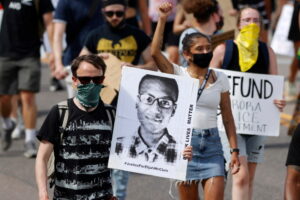
In 2019, paramedics Peter Cichuniec and Jeremy Cooper arrived at the scene where McClain was restrained by police in Aurora, Colorado. This intervention followed a 911 call reporting a “suspicious” Black man waving his arms. McClain, who was simply listening to music, was subsequently placed in a neckhold by an officer. The paramedics administered ketamine, leading to McClain’s cardiac arrest during his transport to the hospital. He was declared brain dead and later removed from life support.
This tragic event led to a reevaluation of the use of ketamine by many EMS agencies, who have since limited or banned its use for sedating individuals deemed aggressive. Despite the overturned convictions, Eric Jaeger, an EMS educator, noted that these changes are likely to remain, as similar deaths continue to occur, such as the case involving Jesus Barcenas in Boulder.
The Paramedics’ Trial
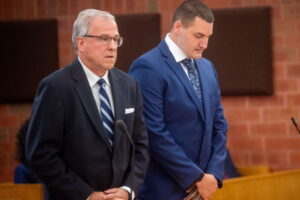
During their trial, the jury found Cichuniec and Cooper guilty, citing their failure to conduct essential medical assessments before administering ketamine to McClain. Experts argued that the dosage was excessive for McClain’s weight, and the paramedics did not monitor him properly post-injection. Cichuniec received a sentence of five years, later reduced to probation, while Cooper was sentenced to jail and probation.
The Colorado Court of Appeals upheld Cichuniec’s assault conviction but identified issues with the jury instructions regarding criminally negligent homicide, prompting the new trial order. The instructions failed to clarify the “standard of care” required, which should reflect what a “reasonable person” would do under similar circumstances.
Implications for First Responders
The legal proceedings against the paramedics have sparked debate within the emergency medical services community. While some argue that the prosecution could deter individuals from pursuing careers as paramedics, others stress the importance of accountability for actions leading to patient deaths. Douglas Wolfberg, a partner at a law firm for emergency workers, highlighted varied reactions within the EMS community to the court’s decision.
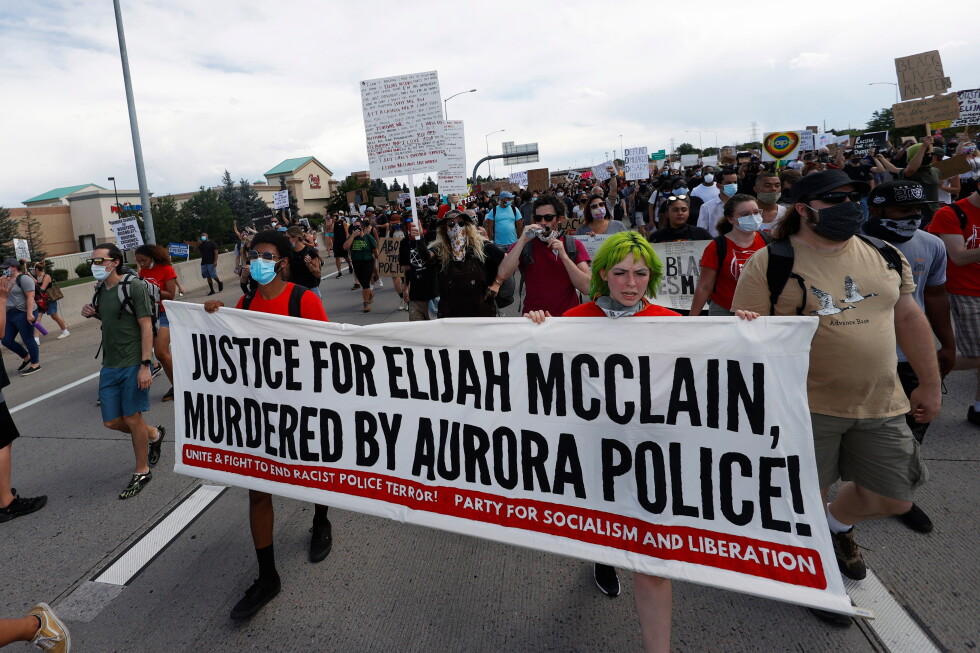
This case has also highlighted broader issues of racial justice and accountability, reminiscent of the national outcry following George Floyd’s death. Activists in Colorado express concern that the appeal court’s decision has reopened wounds that were never allowed to heal, as stated by MiDian Shofner of the Epitome of Black Excellence.