The intersection of gun rights and marijuana use took a significant turn as the U.S. Supreme Court delivered a unanimous verdict. The justices struck down a federal ban that prohibited gun possession by individuals who use marijuana, marking a pivotal moment in ongoing debates about gun control and drug legality.
On Thursday, the Supreme Court sided with Ali Danial Hemani, a Texas resident, ruling that the ban on gun ownership for regular users of illegal drugs infringed upon the Second Amendment. Justice Neil Gorsuch, writing for the court, emphasized that the ruling restricts the government’s ability to disarm drug users deemed non-dangerous.
Hemani’s legal victory marks a defeat for the Trump administration, which had maintained the 1968 law despite opposing other firearm regulations. Gorsuch critiqued the government’s stance, noting, “Its core argument fails under every measure.”

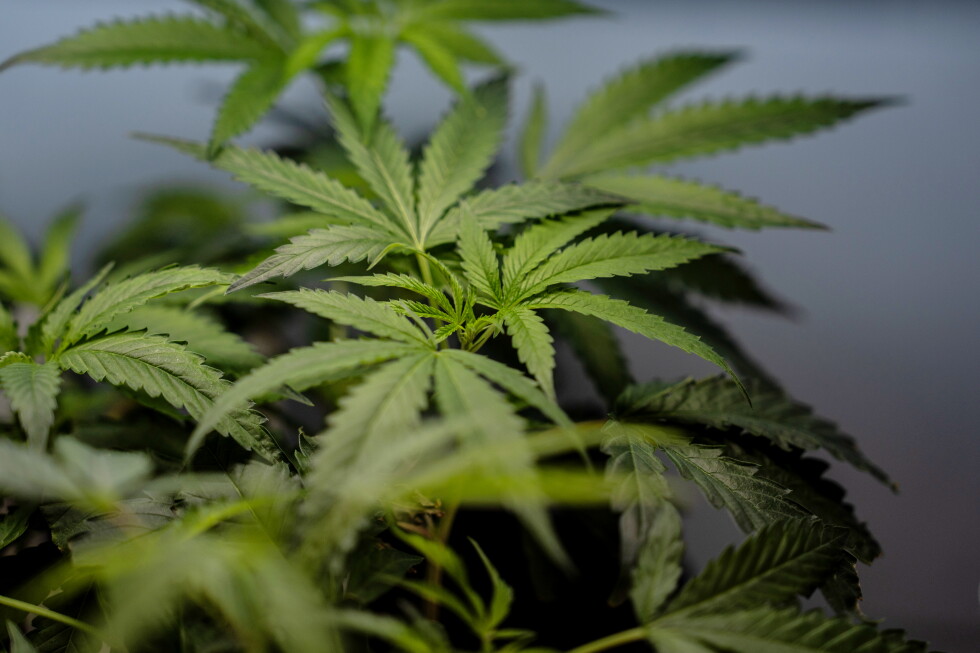
Marijuana clones are shown for sale at Tropicanna Dispensary and Weed Delivery in Santa Ana, California, on April 23, 2026. (AP Photo/Jae C. Hong)
The 1968 legislation was designed to prevent firearms from being accessible to dangerous individuals, but Gorsuch pointed out that with millions of Americans now using marijuana, it is not feasible to consider all of them as threats. Despite marijuana’s federal illegality for recreational purposes, many states have legalized it for medical use.
Gorsuch noted the federal government’s role in these developments, stating, “Whatever one thinks of these developments, the federal government has not just tolerated them; it helped fuel them.” He further criticized the notion that marijuana users are inherently dangerous.
The decision also impacts notable cases, such as that of Hunter Biden, who was convicted in 2018 for purchasing a firearm while addicted to cocaine, later receiving a pardon from President Joe Biden.

Hunter Biden departs from federal court on June 10, 2024, in Wilmington, Delaware. (AP Photo/Matt Rourke)
While the ruling provides clarity, it does not prevent prosecutors from targeting drug addicts or those deemed dangerous with firearms. Gorsuch stated, “We do not address efforts to ban addicts, or those presently intoxicated, from possessing a firearm.” Evidence of danger remains a criterion for prosecution.
The federal stance on recreational marijuana remains unchanged, even after its reclassification as a less-dangerous substance during the Trump administration.
Gun Rights and Cannabis Advocates Unite
The case fostered unusual partnerships, with groups like the American Civil Liberties Union and the National Rifle Association supporting Hemani, in contrast to gun safety advocates like Everytown.
The ACLU praised the decision, highlighting that nearly half of Americans have tried marijuana. Legal Director Cecillia Wang remarked, “The court has sent a strong message that the government cannot criminalize the conduct of large numbers of people by making categorical and unfounded assumptions about whether they are dangerous.”
NORML hailed the verdict as a “vindication of personal freedom,” while the Second Amendment Foundation deemed it a “major victory for gun owners.”
Conversely, Smart Approaches to Marijuana criticized the ruling, with CEO Kevin Sabet expressing concerns over public health and safety implications. Gun control groups like Everytown acknowledged the potential risks of combining firearms and drugs.
Standalone charges for gun and drug possession are rare, typically accompanying other offenses. The ruling is part of a series of gun-related cases reaching the Supreme Court following a 2022 decision expanding gun rights.
The court has since upheld laws on domestic violence victim protection and ghost gun regulation while overturning bans on bump stocks. A decision on strict gun-carry regulations in Hawaii is anticipated this term.

Ghost guns, provided by the New York City Police Department, are displayed in the Manhattan District Attorney’s office on Oct. 15, 2025. (AP Photo/Richard Drew)
Follow the AP’s coverage of the U.S. Supreme Court at https://apnews.com/hub/us-supreme-court.