After a prolonged hiatus, Planned Parenthood along with two regional abortion service providers have recommenced Medicaid billing for services excluding abortion. This development follows nearly a year of funding suspension mandated by the previous administration’s significant tax and policy legislation.
The legislation, introduced under President Donald Trump’s administration, has been linked to the shuttering of several clinics and a decrease in the number of Planned Parenthood patients receiving essential screenings for breast cancer and tests for sexually transmitted infections. Medicaid billing resumed on Sunday, allowing some services to continue.
However, restored funding does not imply a resolution to the ongoing federal abortion policy dispute, and not all previously cut services will be reinstated.
Impact on Planned Parenthood and Clinic Closures
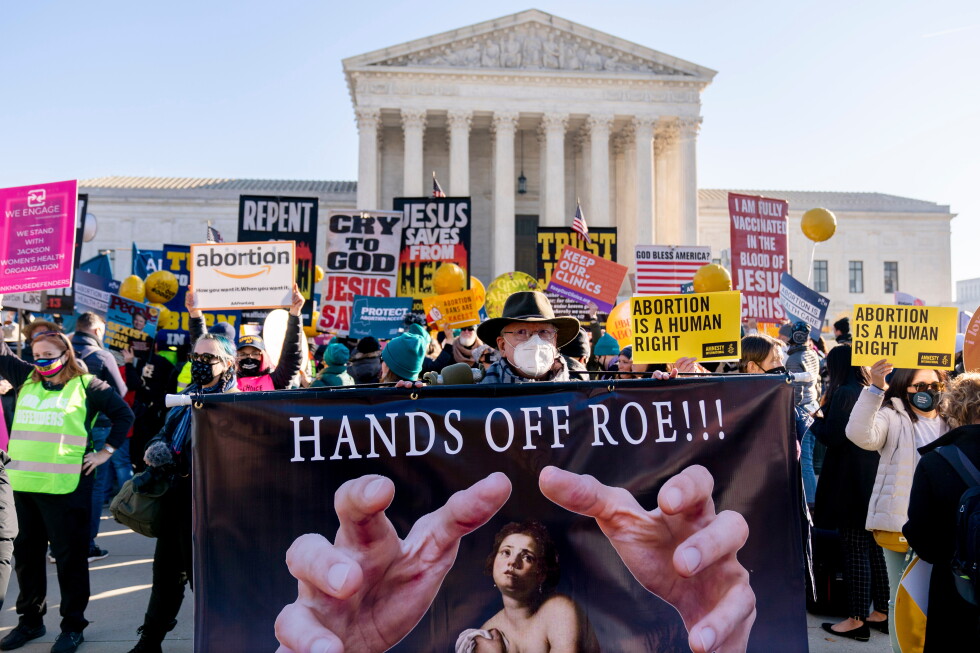
Following the 2022 Supreme Court decision that overturned Roe v. Wade, many abortion service providers, including Planned Parenthood affiliates, faced financial hardships. Clinics closed in states both with and without abortion bans. As a result of the funding changes, nearly 30 out of approximately 600 Planned Parenthood clinics shut down in the past year. This led to a 25% reduction in birth control pill distribution and a 20% decrease in breast cancer exams.
The organization noted that many patients, particularly in areas with limited healthcare access, might have missed essential care due to these financial constraints.
Angela Vasquez-Giroux, spokesperson for the Planned Parenthood Action Fund, highlighted that the cuts also contributed to restricted abortion access in certain regions. In Wisconsin, Planned Parenthood halted abortions temporarily, later dropping its “essential community provider” status to resume billing. Meanwhile, the Arizona affiliate minimized some services for Medicaid-covered patients.
Effects on Smaller Providers
Two smaller nonprofit family planning organizations, which provided abortion services and received over $800,000 annually in Medicaid reimbursements, were also affected by the funding cut.
In Maine, the Maine Family Planning closed three primary care clinics, impacting around 1,000 patients. Evelyn Kieltyka, senior vice president of program services, noted that despite assistance, former patients faced waits of four to six months to find new providers. Despite the closures, the number of abortions provided remained constant due to state-funded Medicaid covering abortions.
In contrast, patients at Health Imperatives in Massachusetts experienced no service disruption as the state government compensated for federal Medicaid reimbursement losses, aided by a grant from Melinda Gates’s foundation. Planned Parenthood reported that similar state actions occurred in 14 states.
Partial Restoration of Services
Planned Parenthood’s Arizona affiliate has announced plans to extend hours and increase telehealth offerings with the resumption of Medicaid billing. Nevertheless, not all services are expected to return.
Kieltyka stated that Maine Family Planning does not plan to reopen its primary care facilities. “When you close something down and you lose positions,” she noted, “it’s very difficult to bring that back and build it back up again.”
In Florida, Michelle Quesada, vice president of communications for the Planned Parenthood affiliate, indicated that a closed Lakeland clinic is unlikely to reopen due to concerns over potential future Medicaid reimbursement cuts. “There’s no telling with this uncertainty,” she stated, describing the situation as a “yo-yo effect.”
Continued Political Tensions
The debate over Medicaid reimbursements continues, with abortion opponents urging Congress to reimplement defunding measures. “They’ve defunded Big Abortion before,” remarked Kelsey Pritchard, spokesperson for Susan B. Anthony Pro-Life America, “and they should do everything in their power to do it again.”
Planned Parenthood argues that most general election voters oppose defunding the organization, though Pritchard contended that the Republican base supports the measure.