Supreme Court Rejects Trump’s Mail-In Voting Restrictions for Midterm Elections
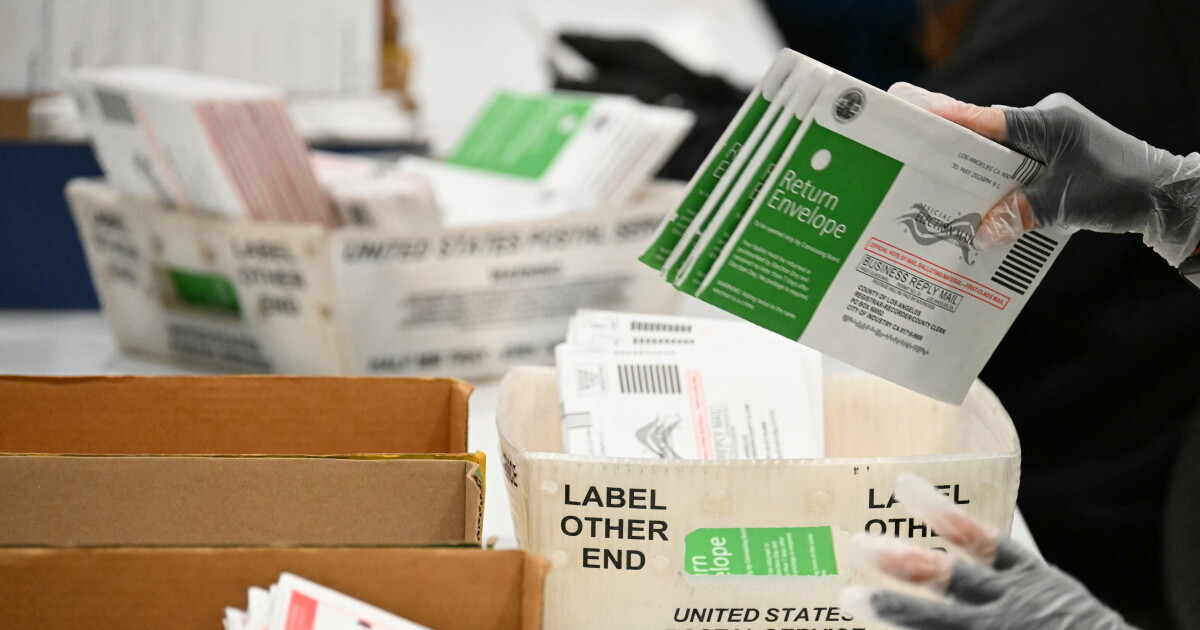
The Supreme Court has delivered a blow to President Trump by ruling against his proposed new mail-in voting restrictions for the upcoming midterm election. The decision, released on Monday, ensures that the U.S. Postal Service will continue delivering ballots as usual, allowing states to proceed with their mail-in voting processes.
Legal Battle Over USPS Plan
The blocked USPS plan, which originated from an executive order by Trump, aimed to impose stringent requirements on states for handling mail-in ballots. However, a federal judge in Boston issued a preliminary injunction against the Postal Service, citing lack of authority to regulate mail-in voting. Following this, a majority of the Supreme Court upheld the injunction, deeming the administration’s challenge unlikely to succeed.
Conservative Justice Brett Kavanaugh, while concurring with the decision, highlighted concerns about the arbitrary nature of implementing the rule just before the elections. The Supreme Court’s ruling was met with relief and celebration by opponents of the proposal, emphasizing the importance of upholding election integrity.
Reactions and Statements
Various state election officials, including those from Republican-led states, cautioned against implementing the USPS plan due to potential errors and confusion. Organizations like the League of Women Voters praised the Supreme Court’s decision, emphasizing the Postal Service’s role in delivering mail rather than shaping election rules.
President Trump, however, criticized the ruling, labeling it as a “big loss for Republicans.” Despite his claims of addressing fraudulent voting by non-U.S. citizens, the legal battle over the USPS plan lacked evidence of widespread mail-in voting fraud.
Future Implications
While the USPS plan remains on hold for the midterms, the legal dispute may continue regarding its implementation in future federal elections. The ongoing debate underscores the significance of ensuring fair and accessible voting processes for all eligible Americans.
New Article:
Study Reveals Alarming Increase in Plastic Pollution in Oceans
A recent study conducted by a team of marine biologists has shed light on the concerning rise of plastic pollution in our oceans. The research, published in the Journal of Marine Science, highlights the detrimental impact of plastic waste on marine ecosystems and calls for urgent action to address this growing environmental problem.
The study found that plastic pollution in the world’s oceans has increased by a staggering 40% in the last decade alone. This rise in plastic waste poses a significant threat to marine life, with many species ingesting or becoming entangled in plastic debris. The researchers warn that if current trends continue, the situation will only worsen, leading to irreversible damage to our oceans and the creatures that inhabit them.
One of the key findings of the study is the identification of “hotspots” of plastic pollution, with certain areas of the ocean being more severely affected than others. The researchers attribute this uneven distribution to factors such as ocean currents, shipping routes, and coastal population density. By pinpointing these hotspots, the study aims to guide policymakers and environmental organizations in implementing targeted strategies to reduce plastic pollution in these critical areas.
Furthermore, the study emphasizes the need for international cooperation and coordinated efforts to address the global issue of plastic pollution. The researchers stress the importance of implementing policies to reduce single-use plastics, improve waste management systems, and promote recycling initiatives. They also call for increased public awareness and education on the impact of plastic pollution on marine ecosystems.
In conclusion, the study’s findings underscore the urgent need for action to combat plastic pollution in our oceans. With the health of our planet and marine life at stake, it is imperative that we work together to reduce plastic waste and protect the delicate balance of our oceans. Only through collective efforts and sustainable practices can we hope to reverse the damaging effects of plastic pollution and ensure a healthier future for our oceans.