For helicopter pilots flying extended combat missions, something as simple as needing a bathroom break can compromise an entire operation — and their own health. A new wearable system is now being tested by the U.S. Army to address this long-overlooked problem head-on.
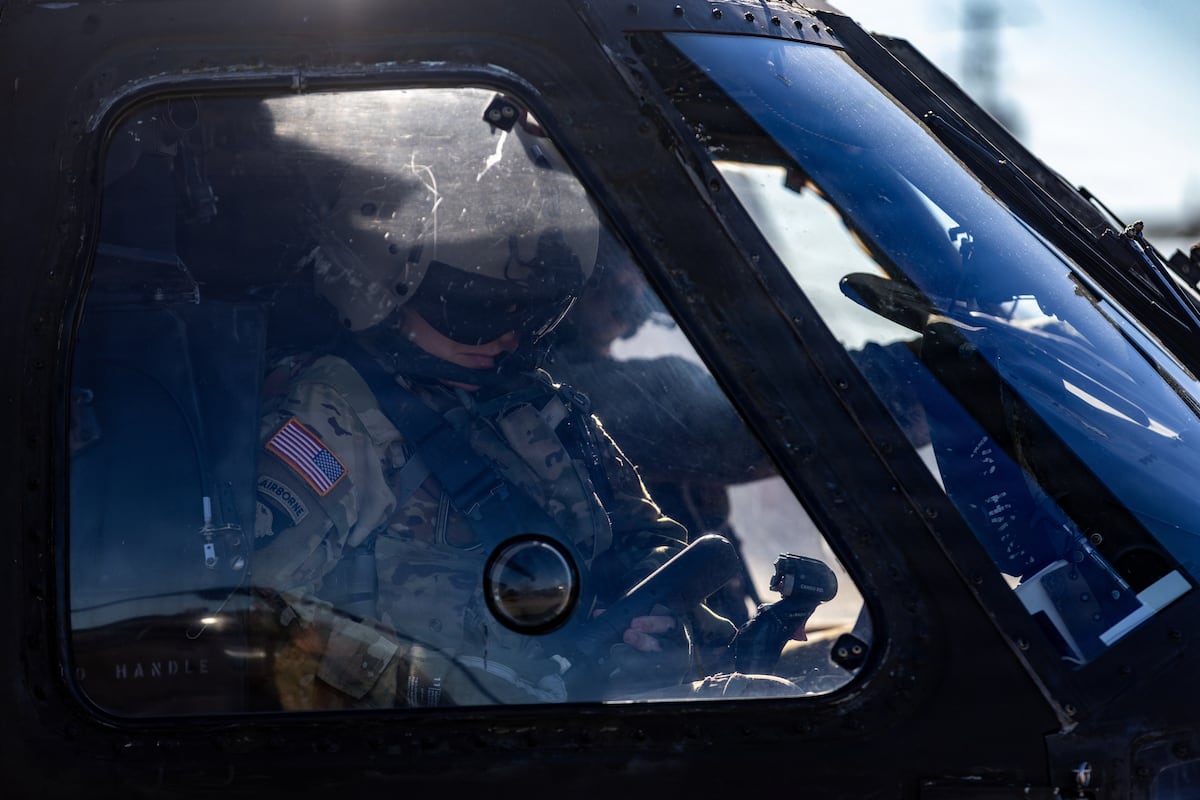
Pilots from the 101st Combat Aviation Brigade at Fort Campbell, Kentucky, completed the Army’s first-ever helicopter test flights using the Advanced Inflight Relief Universal System, known as AIRUS, from October 5 to 7. The three-day evaluation tested whether the system is airworthy and practical for use aboard Army rotary-wing aircraft.
Aircrews from three battalions — the 1-101 Attack Battalion “No Mercy,” the 6-101 Assault Helicopter Battalion “Eagle Assault,” and the 7-101 Heavy Lift Battalion “Eagle Lift” — wore and operated AIRUS during the flights. Participants completed human-factors surveys, assessed fit across different body types, and verified that the system functioned as intended while airborne.
The Problem: Pilots Deliberately Dehydrating Themselves
The impetus for the testing came from a troubling behavior identified within the brigade’s Holistic Health and Fitness team. Pilots were voluntarily reducing their fluid intake before and during missions to avoid needing a restroom break mid-flight — a practice the team calls “tactical dehydration.”
Capt. Gena Baisa, lead dietitian for the 101st CAB H2F team, described how the issue came to light:
“We had pilots tell us they tactically dehydrate. So, we thought, how can we get a system specifically designed to allow them to use the bathroom in air so they can stay hydrated and optimize their performance?”
Dehydration is a well-documented performance risk, affecting cognitive function, reaction time, and physical endurance — all critical factors for pilots operating complex aircraft in high-stakes environments. The H2F team reached out to AIRION, an aerospace medical systems company, which had already developed AIRUS for this type of use case.
How AIRUS Works — and Why It’s Different
Chief Warrant Officer 2 Collin McAllister, an AH-64 Apache pilot who participated in the evaluation, noted that AIRUS represents a meaningful upgrade over older approaches to the problem. Previous solutions relied on bags containing coagulant material — a far more cumbersome and limited method.
McAllister emphasized the system’s potential value in future operations:
“As we look to fight in contested environments where we will need to stay a lot longer to support the ground force, this could be a great contribution.”
AIRION founder and CEO Colt Seman said the Fort Campbell tests marked a significant first for the company — it was their initial evaluation with the Army and their first time testing the system specifically on helicopters.
“We tested to get the system integrated into the Apache, Black Hawk, and Chinook helicopters. The pilots were able to put on AIRUS, wear it, and be able to use it. It was comfortable, and it worked,”
Seman said.
Safety and Fit Testing Were Central to the Evaluation
Representatives from Redstone Arsenal observed the flights to assess AIRUS for flight suitability. A key part of the evaluation focused on whether pilots of varying body sizes could safely enter and exit aircraft while wearing the system.
Elizabeth Rhonenus, a human-factors engineer with the Aviation Flight Test Directorate, explained the approach:
“We tested AIRUS to see its airworthiness and started with egress testing. We took our smallest participant around the fifth percentile and our largest around the 95th percentile and saw if they could get in and out of the aircraft safely.”
The Army described the completed tests as a developmental milestone, marking the formal transition of AIRUS into consideration for the rotary-wing fleet.
Looking Ahead: Longer Missions, Better Readiness
Capt. Baisa framed the AIRUS testing within the broader context of upcoming mission demands facing Army aviation, including the Long Range Large Scale Air Assault concept and the anticipated fielding of the new MV-75 Cheyenne II helicopters — aircraft designed to stay airborne for extended durations.
“We are setting the foundation now to support the upcoming missions our Soldiers will face. Looking at L2A2 and the new MV-75 Cheyenne II helicopters’ ability to stay in flight longer, we want to improve Soldier readiness. The AIRUS is a capability that could help us achieve it across the enterprise,”
Baisa said.
For more on how the Army is addressing troop comfort and performance, watch the full segment on relieving “tactical dehydration” with new urine collection systems for troops, or see the Defense News Weekly full episode on better weapons, new berets, and personal comfort.
Other recent military news includes the Army’s push to advance a new rifle for troops and coverage of the Defense Manpower Data Center’s recent data breach. Additional stories in military benefits and policy include updates on a planned DEERS outage affecting Tricare beneficiaries, nearly 500,000 veterans receiving a three-month life insurance premium break, and the legacy of the outgoing AAFES director. Ongoing coverage also includes renovation work on century-old homes at Fort Bragg and a court battle between two veterans over for-profit claims processing.