As unexpected storms swept through the U.S. Southwest, they brought both chaos and hope to a region beleaguered by drought. The rains, which flooded communities and caused evacuations, are also replenishing the region’s depleted reservoirs, offering a much-needed reprieve from water shortages.
Severe weather in late October and early November transformed typically modest streams into surging torrents that spilled over their banks, impacting local communities. Martin Hoerling, a climate scientist and hydrologist at the University of Colorado, Boulder, noted that despite the destruction, the deluge is ultimately beneficial for regional water supplies: “That’s somewhat of an unexpected boost from Mother Nature,” he remarked.
The rainfall comes after a disappointing winter with minimal snowfall, which failed to adequately replenish water bodies. The current weather patterns are strongly influenced by El Niño, which has intensified rainfall and flooding. Experts predict that these effects will continue, potentially leading to further increases in water levels across the West, where water is mainly stored in lakes, aquifers, and snowpack.
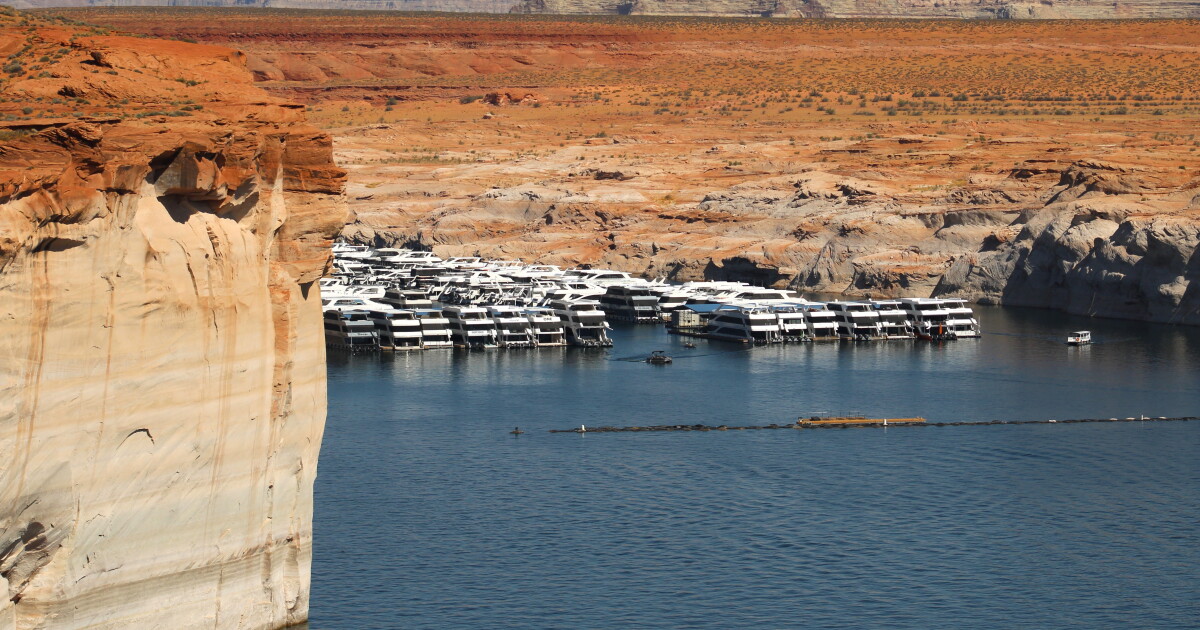
Lake Powell, the nation’s second-largest reservoir, has seen significant gains, with water levels rising by over 20 feet (6.1 meters) since mid-September. However, the lake still remains only slightly over a quarter full, with most boat launches unusable, underscoring the region’s ongoing challenges.
Rain brings temporary relief to regional and local water supplies
Some areas recorded their wettest periods in decades, providing temporary relief from restrictions. Pagosa Springs, Colorado, experienced nearly 7 inches (17.78 centimeters) of rain, lifting water restrictions that had affected over 10,000 residents. Town manager David Harris expressed cautious optimism: “While the storm was destructive, I think there is a silver lining. You’re getting a good start to the winter snowpack in the higher elevations.”
In Northern Arizona, Upper Lake Mary, an important water source for Flagstaff, received over 3 billion gallons since early October, according to Flagstaff water production manager Brian Huntzinger. He noted the remarkable influx, stating, “It’s just a great, great thing to see. We might be overflowing at this rate before we see any snow fly.”
Meanwhile, central Arizona experienced significant flooding, with waters surging into streams that feed the Verde River. This led to controlled releases from nearly full dams into typically dry areas of metro Phoenix, as reported by Bo Svoma, principal meteorologist at the Salt River Project.
Wet weather is unlikely to change decisions on the Colorado River
Despite the generous rains, the region remains under drought conditions, with existing plans for water allocation in the Colorado River basin still in effect. The U.S. Bureau of Reclamation manages these allocations and is unlikely to alter them until a clearer picture of snowpack levels emerges in spring, according to Jack Schmidt of Utah State University.
Mary Carlson, a spokesperson for Reclamation, acknowledged the recent improvements but cautioned that “considerable uncertainty remains.” Under current federal plans, states like California, Nevada, and Arizona are set to reduce water usage by 1.25 million acre-feet annually over the next two years, equating to the volume of over 600,000 Olympic-sized swimming pools.
Some Arizona cities are looking to adapt by investing in infrastructure to capture rainwater, such as expanding a dam on the Verde River, according to Svoma. Hoerling emphasized the need for long-term resilience: “We need to figure out how to be resilient in a drier future. And we’re not quite there yet.”